| Previous day | 
|
Next day |
| Old Style
April 15
|
Saturday |
New Style
April 28
|
| 3rd Week after Pascha. Tone 2. |  No fast.
|
 Apostles Aristarchus, Pudens, and Trophimus, of the Seventy (ca. 67).
Martyrs Basilissa and Anastasia, of Rome, disciples of Apostles Peter and Paul (ca. 68). Martyr Sukia and his companions: Andrew, Anastasius, Thalaleus, Theodoretus, Ivchirion, Jordan, Quadratus, Lucian, Mimnenus, Nerangius, Polyeuctus, James, Phocas, Domentianus, Victor, and Zosima (Chorimos), of Georgia, in Armenia (100-130). Martyr Sabbas the Goth, at Buzau in Wallachia (372). St. Mstislav-Theodore, prince of Kiev (1132). Righteous Daniel of Achinsk, Siberia (1843).
St. Ruadhan, founder and abbot of Lothra (Ireland) (ca. 584). St. Leonidas, bishop of Athens (ca. 6th c.). Martyr Pausilipus of Thrace (ca. 117-138). Martyr Crescens of Myra in Lycia (3rd c.).
Repose of Hieroschemamonk Michael (Pitkevich) of Valaam and Pskov Caves (1962), and Bishop Stephen (Nikitin) of Kaluga (1963).
Thoughts for Each Day of the Year
According to the Daily Church Readings from the Word of God
By St. Theophan the Recluse

Saturday. [Acts 9:20–31; John 15:17–16:2]
When Saint Paul began to preach in Damascus, all were amazed, saying: Is not this he that destroyed them which called on this name? (Acts 9:21). Isn’t it always this way? Those close to someone who converts from unbelief to belief, or from sin to virtue, marvel over what happened has with this person. He did everything our way and now suddenly everything has changed: his words and his gaze, his step and his thoughts are not the same, and his undertakings are different, and the places where he goes are different. It is as if one were walking toward the west, and then suddenly turned around to the east. These two lives are contradictory and mutually exclude one another. He who wants to combine them, or to make a whole life with part from the one, and part from the other, will waste both time and effort with no success. What can these lives have in common?! Only those who do not understand things can say, “Why does it have to be so drastic!”
Articles
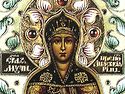
 Apostle Aristarchus of the SeventySaint Aristarchus was one of the Seventy Apostles, whom the Lord Jesus Christ sent to proclaim the good news of the Gospel. |
 Apostle Pudens of the SeventySaint Pudens was one of the Seventy Apostles whom the Lord Jesus Christ sent before him with the good news of the Gospel. |
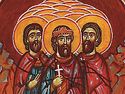
 Apostle Trophimus of the SeventySaint Trophimus hailed from the city of Edessa. |