| Previous day | 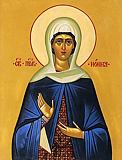
|
Next day |
| Old Style
August 5
|
Saturday |
New Style
August 18
|
|
12th Week after Pentecost.
Tone 2.
Успенский пост. |
 Wine and oil allowed.
|
 Forefeast of the Transfiguration.
  Martyr Eusignius of Antioch (362).
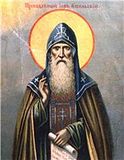
Hieromartyrs Antherus (236) and Fabian (250), popes of Rome. Martyr Pontius, at Cimella in Gaul (ca. 257). Righteous Nonna, mother of St. Gregory the Theologian (374). Monk-martyr Job the Gorge-dweller, on the Mezen River (Solovki) (1628). Martyrs Cantidius, Cantidian, and Sibelius, of Egypt (4th c.).
New Martyrs Eudocia Shikova and Novices Daria Timolina, Daria Siushinskaya, and Maria, of Puzo (1919). New Hieromartyr Simon (Shleyev), bishop of Ufa (1921).
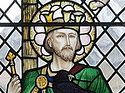
Martyr Oswald, king of Northumbria (642). St. Euthymius, patriarch of Constantinople (917). New Martyr Christos of Preveza, at Kos (1668). St. Eugenius, monk, of Anatolia (1682). Uncovering of the relics of St. Arsenius the New, of Paros (1967).
Thoughts for Each Day of the Year
According to the Daily Church Readings from the Word of God
By St. Theophan the Recluse

Saturday. [I Cor. 1:26-29; Matt. 20:29-34]
The two blind men of Jericho cry out, and the Lord returns their sight to them. But could these blind men have been the only ones in those places? Of course not. Why did these receive vision, but not the others? Because those did not cry out; and they did not cry out because they did not have hope; they did not have hope because they did not please God; they did not please God, because they had little faith. When true faith comes to man, he begins to please God from that very moment; with pleasing God hope comes hope, and from all of this comes prayer, compelling every help from above. Such people meet no refusal. They know both how to ask, in fact know that they should ask, they understand the limits to their asking, and they have patient persistence in prayer. All of this is indispensably necessary for success, for prayer by itself has feeble wings.
Article