| Previous day | 
|
Next day |
| Old Style
April 1
|
Wednesday |
New Style
April 14
|
|
5th Week of Great Lent.
Tone 3.
Great Lent. |
 Wine and oil allowed.
|
 St. Mary of Egypt (522).
  St. Euthymius the Wonderworker, archimandrite, of Suzdal (1404). St. Barsanuphius of Optina Monastery (1913).
Martyrs Gerontius and Basilides (3rd c.). St. Macarius, abbot, of Pelecete (ca. 830). Martyr Abraham of the Bulgars on the Volga (1229). St. Gerontius, canonarch of the Kiev Caves (14th c.). St. Pachomius, archbishop of Roman and Galati (Moldavia) and monk of the Kiev Caves (1724).
New Hieromartyr Sergius Zavarin, archpriest, of Yaroslavl (1938). New Hiero-confessor Schema-bishop Macarius (Vasiliev), at the Pskov Caves Monastery (1944).
St. Meliton, bishop of Sardis (177). Martyr Romanus of Raqqa (Syria) (780). St. Procopius, abbot, of Sazava in Bohemia (1053). Sts. John of Shavta, bishop of Gaenati (7th c.-13th c.) and Eulogius the Prophet, fool-for-Christ (13th c.). of Georgia.
Thoughts for Each Day of the Year
According to the Daily Church Readings from the Word of God
By St. Theophan the Recluse

Wednesday.
The way of life is above to the wise, that he may depart from hell beneath (Prov. 15:24). It is well-known to all that hell exists, and that anyone can end up there as a result of his deeds. But not all remember this, or live so piously that they are clearly trying to to avoid hell. They live without thinking about it, saying, “Maybe… Maybe we somehow will not end up in hell.” Where is our reason? In earthly affairs one can somehow get away with “maybe,” but in such a decisive affair, which, once accomplished, will abide unto the ages of ages unchanged, “maybe” reveals lack of reason to the utmost degree. Do not pride yourself, O Reason, on your reasonableness, when you do not remember this and do not suggest to us thoughts of life: how to avoid hell in order to be saved.
Articles
 Venerable Euthymius of SuzdalThe ascetic struggles of Saint Euthymius were so great that Saint Dionysius advised him to lessen them. |
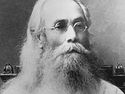 Venerable Barsanuphius of Optina |
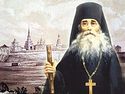
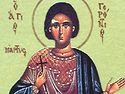 Martyrs Gerontius and BasilidesThe Martyrs Gerontius and Basilides suffered martyrdom for Christ in the third century. |
 Venerable Macarius the Abbot of PeleceteSaint Macarius was born at Constantinople in 785. While still a child, he lost his parents. |
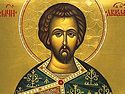 Martyr Abraham of BulgariaThe Holy Martyr Abraham the Bulgar, Vladimir Wonderworker, lived during the thirteenth century, and was descended from the Kamska Bulgars and brought up as a Moslem. |
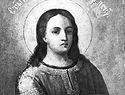 Venerable Gerontius the Canonarch of the Kiev Far CavesHe spent all his life at the monastery, in ascetic deeds of abstinence, obedience, and prayer. |