| Previous day | 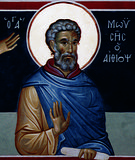
|
Next day |
| Old Style
August 28
|
Friday |
New Style
September 10
|
|
12th Week after Pentecost.
Tone 2.
Fast Day. |
 Wine and oil allowed.
|
 St. Moses the Black, of Scetis (ca. 375).
  St. Sabbas, founder of Krypetsk Monastery (Pskov) (1495).
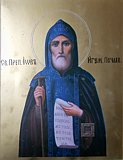
  Uncovering of the relics of St. Job, abbot and wonderworker of Pochaev (1659). Synaxis of the Saints of the Kiev Caves whose relics repose in the Far Caves of St. Theodosius..
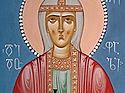
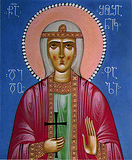
Righteous Anna the Prophetess (1st c.). Martyr Queen Shushanik (Susanna) of Georgia (5th c.). St. Amphilochius of the Kiev Caves, bishop of Vladimir, Volhynia (1122). St. Theodore (in monasticism Theodosius) of the Kiev Caves, prince of Ostrog in Volhynia (1483).
New Hieromartyrs Sergius (Zaitsev), archimandrite, Lawrence (Nikitin) and Seraphim (Kuzmin), hieromonks, Theodosius (Alexandrov), hierodeacon, New Monk-martyrs Leontius and Stephen, and martyred novices George, Hilarion, John, and Sergius, of Zilantov Monastery in Kazan (1918).
Righteous Hezekiah, king of Judah (691 b.c.). Repose of Blessed Augustine, bishop of Hippo (430). New Hieromartyr Chrysostom, metropolitan of Smyrna (1922).
Repose of Elder Philaret of Novo-Spassky Monastery (1842).
Thoughts for Each Day of the Year
According to the Daily Church Readings from the Word of God
By St. Theophan the Recluse

Saturday. [I Cor. 1:26-29; Matt. 20:29-34]
The two blind men of Jericho cry out, and the Lord returns their sight to them. But could these blind men have been the only ones in those places? Of course not. Why did these receive vision, but not the others? Because those did not cry out; and they did not cry out because they did not have hope; they did not have hope because they did not please God; they did not please God, because they had little faith. When true faith comes to man, he begins to please God from that very moment; with pleasing God hope comes hope, and from all of this comes prayer, compelling every help from above. Such people meet no refusal. They know both how to ask, in fact know that they should ask, they understand the limits to their asking, and they have patient persistence in prayer. All of this is indispensably necessary for success, for prayer by itself has feeble wings.
Article