| Previous day | 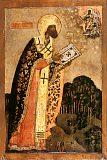

|
Next day |
| Old Style
June 8
|
Saturday |
New Style
June 21
|
|
2nd Week after Pentecost.
Tone 8.
Fast of the Holy Apostles. |
 Fish, wine and oil allowed.
|
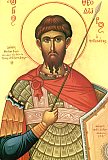
 Translation of the relics of Great-martyr Theodore Stratelates (“the General”), of Heraclea (319).
St. Ephraim, patriarch of Antioch (545). St. Zosimas, monk, of Phoenicia (Syria) (6th c.). St. Theodore, bishop of Rostov and Suzdal (ca. 1023). Uncovering of the relics of Sts. Basil and Constantine, princes of Yaroslavl (1501).
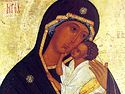
Yaroslavl Icon of the Most Holy Theotokos (13th c.).
Martyr Calliope, at Rome (ca. 250). Martyrs Nicander and Marcian, at Dorostolum in Moesia (303). St. Naucratius, brother of St. Basil the Great (4th c.). St. Melania the Elder, of Palladius’ Lausiac History (410). St. Atre (Athre) of Nitria (Egypt) (5th c.). St. Medardus, bishop of Noyon (Neth.) (560). St. Chlodulf (Cloud), bishop of Metz (696). St. Paul the Confessor, of Kaiuma Monastery in Constantinople (766). New Martyr Theophanes at Constantinople (1588). New Hieromartyr Theodore, priest, of Kvelta, Georgia (1609). Synaxis of the Church of the Cross at Mtskheta, Georgia.
Repose of lay elder Theodore (Sokolov) of White Lake (1973).
Thoughts for Each Day of the Year
According to the Daily Church Readings from the Word of God
By St. Theophan the Recluse

Saturday. [Rom. 3:19–26; Matt. 7:1–8]
Judge not, that ye be not judged (Matt. 7:1). What a disease—gossip and judging others! Everyone knows that this is a sin; nevertheless there is nothing more common in our words than judgment of others. One says, “Do not count it as judging, O Lord,” but continues judging to the end. Another justifies himself that any reasonable person must have an opinion about what is going on, and in his gossip he tries to be coolly reasonable; but even a simple ear cannot help but discern a high-minded and gloating judgment of others in his words. Meanwhile, the sentence of the Lord for this sin is strict and decisive. He who judges others will not be justified. What should one do? How can one avoid misfortune? A decisive remedy against judging others consists of this: to consider yourself condemned. He who feels himself condemned will have no time to judge others. His only words will be, “Lord have mercy! Lord forgive my transgressions!”
Articles

 Right-believing Prince Basil of Yaroslavl |
 Right-believing Prince Constantine of YaroslavlIn their youth they lost their father, Vsevolod, who fell in battle with the Tatars (Mongols). St Basil, the elder brother, succeeded to the throne. |