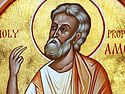
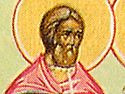
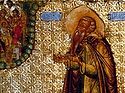
Prophet Amos (8th c. b.c.).
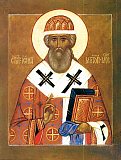
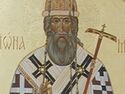
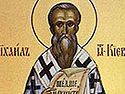
  St. Jonah, metropolitan of Kiev, Moscow, and all Russia (1461).
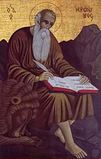
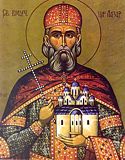
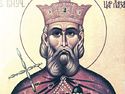
Martyrs Vitus (Guy), Modestus, and Crescentia, at Lucania (ca. 303). Martyr Dulas of Cilicia (ca. 305-313). Blessed Jerome (Hieronymus) of Stridonium (419-420). Blessed Augustine, bishop of Hippo (430), and his mother St. Monica of Tagaste (387). St. Dulas the Passion-bearer, of Egypt (5th c.). Translation of the relics of St. Theodore the Sykeote, bishop of Anastasiopolis (ca. 9th c.). St. Michael, first metropolitan of Kiev (992). Great-martyr Tsar Lazar of Serbia (1389). Monk-martyrs Gregory, abbot, and Cassian, monk, of Avnezh Monastery (Vologda) (1524). St. Ephraim II, patriarch of Serbia (1395). St. Symeon, archbishop of Novgorod (1421). Sts. Sergius and Barbara of Oyatsk, monastics, parents of St. Alexander of Svir (1477-1480). St. Theophan, elder of the Roslavl Forests and Optina (1819).
“Marianica” Icon of the Most Holy Theotokos.
Synaxis of the New Martyrs of Serbia. St. Cedronus, patriarch of Alexandria (107). Martyr Hesychius the Soldier, of Dorostolum, and two others, in Moesia (302). St. Orsiesius of Tabennisi, disciple of St. Pachomius the Great (ca. 380). St. Abraham, abbot, of Auvergne (Gaul) (477). St. Spyridon, patriarch of Serbia (1388). New Martyrs of Velic and Gornepolima (Serbia) killed by the Nazis (1943). Apostles Fortunatus, Achaicus, and Stephanas (1st c.).
Repose of Blessed Jonah, fool-for-Christ, of Peshnosha Monastery (1838), Metropolitan Innocent of Peking (1931), Elder Cosmas of Valaam and Riga (1968), and Elder Anthimus of St. Anne’s Skete, Mt. Athos (1996).
Saturday. [Rom. 3:28-4:3; Matt. 7:24-8:4]
The present Gospel reading says that
one who hears the sayings of the Lord and does them is
like one who builds a house upon a rock; but one who hears
them and does not do them is like one who builds a house
upon the sand. Everyone should learn this by heart and
repeat it often; the truth contained in it is graphically
clear and anyone can understand it. Everyone has had many
experiences of this. Take your thoughts, for example.
While you are thinking about something, they are unstable
and restless, but when you write them down, they become
solid and fixed. The outcome of any project is unsure and
its details can change many times before it is begun; yet
any further cogitation ceases once you have set it in
motion. In this manner, moral rules are alien to us when
not fulfilled, they are outside of us and shaky. But when
we fulfil them, they enter within, settle in the heart and
form the basis of our character—good or evil. See
then that ye walk circumspectly, not as fools, but as
wise (Eph. 5:15).