| Previous day | 
|
Next day |
| Old Style
July 23
|
Tuesday |
New Style
August 5
|
| 9th Week after Pentecost. Tone 7. |  No fast.
|
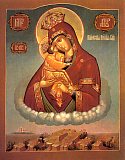
 Icon of the Most Holy Theotokos “Pochaev” (1675).
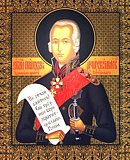
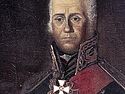
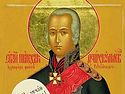
  Martyrs Trophimus, Theophilus, and 13 others, in Lycia (284-305). Glorification of St. Theodore Ushakov, admiral of the Russian Navy (Glorification 2001).
Hieromartyr Apollinarius, first bishop of Ravenna (ca. 75).
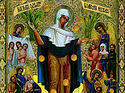
Icon of the Most Holy Theotokos “The Joy of All Who Sorrow” (with coins) of St. Petersburg (1888).
Righteous Anna (Hannah), mother of the Prophet Samuel (1100 b.c.). Martyr Apollonius, at Rome (183). Repose of St. John Cassian the Roman, abbot, of Marseilles (435). St. Anna of Leucadia (919). Commemoration of the Miraculous Appearance of the Mother of God at Pochaev, which saved the monastery from the assault of the Tatars and Turks (1675). St. Pelagia, nun, of Tinos (1834). St. John (Iacob) of Neamts, the Chozebite (1960). 250 martyrs killed by Bulgarians (802-811).
Thoughts for Each Day of the Year
According to the Daily Church Readings from the Word of God
By St. Theophan the Recluse

Tuesday. [I Cor. 12:12-26; Matt. 18:18-22; 19:1-2, 13-15]
Wanting to know how many times one should forgive his brother, Saint Peter asked with the suggestion: forgive till seven times? Saying this, he thought that he chose the greatest amount. How short is human patience! The Lord, applying His longsuffering to our infirmities, determined, I say not unto thee, Until seven times: but Until seventy times seven. This is the same as saying: always forgive and do not think about not forgiving. All-forgivingness shall be the distinctive feature of a Christian spirit, as all-forgivingness is the source and constant support of our life in the Lord, from God Himself. Customary forgiving everyone of everything is the outer clothing of Christian love, which according to the Epistle, suffereth long, and is kind, is not easily provoked, beareth all things (I Cor. 13:4-7). It is the most faithful guarantee of forgiveness at the last judgment; for if we forgive, our heavenly Father will also forgive us (Matt. 6:14). In such a manner, if you want to go to heaven—forgive everyone, sincerely, from the bottom of your heart, so that not even a shadow of hostility remains.
Articles


 Hieromartyr Apollinaris, Bishop of RavennaSaint Apollinaris was a disciple of the Apostle Peter, whom he followed from Antioch to Rome sometime during the reign of the Roman emperor Claudius (41-54). |