| Previous day | 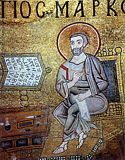
|
Next day |
| Old Style
September 27
|
Friday |
New Style
October 10
|
|
18th Week after Pentecost.
Tone 8.
Fast Day. |
 Wine and oil allowed.
|
 Martyrs Callistratus and 49 companions, of Carthage (304).
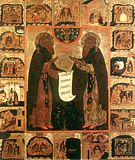
  St. Sabbatius, wonderworker of Solovki (1435).
Apostles Mark, Aristarchus, and Zenas, of the Seventy (1st c.). Martyr Epicharis of Rome (3rd c.-4th c.). St. Ignatius, abbot, of the monastery of the Deep Stream (963-975). New Hieromartyr Anthimus the Georgian, metropolitan of Wallachia (1716). St. Archippus, schemamonk of Glinsk Hermitage (1896). St. Rachel, schemanun of Borodino Convent (1928).
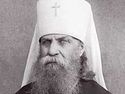
New Hieromartyr Peter (Polyansky), metropolitan of Krutitsa (1937). New Hieromartyr Herman (Kosolapov), bishop of Volsk and Michael Platonov, archpriest, of Saratov (1919).
St. Flavian I, archbishop of Antioch (404). Martyr Sigebert, king of the East Angles (635). New Virgin-martyr Aquilina of Thessalonica (1764).
Thoughts for Each Day of the Year
According to the Daily Church Readings from the Word of God
By St. Theophan the Recluse

Thursday. [Phil 1:20-27; Luke 6:12-19]
And He continued all night in prayer to God. Here is the foundation and beginning of Christian all-night Vigils. A prayerful heat chases away sleep, and exhilaration of the spirit does not allow one to notice the passing of time. True men of prayer do not notice this; it seems to them that they had just begun to pray, meanwhile day has already appeared. But until one reaches such perfection, he must take on the labour of vigils. Solitaries have borne this and bear it; cenobitic monastics have borne this and bear it; reverent and God-fearing laypeople have borne this and bear it. But though vigil comes with difficulty, its fruit remains in the soul, directly and constantly present—peace of soul and contrition, with weakening and exhaustion of the body. It is a state very valuable for those who are zealous about prospering in the spirit! That is why in places where vigils are established (on Athos), they do not want to give them up. Everyone realizes how difficult it is, but nobody has a desire to rescind this order, for the sake of the profit which the soul receives from vigils. Sleep, more than anything, relaxes and feeds the flesh; vigils more than anything humble it. One who sleeps abundantly is burdened by spiritual deeds and is cold towards them; he who is vigilant is quick in movement, like an antelope, and burns in the spirit. If the flesh must be taught to be good, like a slave, then there is no better way to succeed in this than through frequent vigils. Here the flesh fully feels the power of the spirit over it, and learns to submit to it; while the spirit acquires the habit of reigning over the flesh.
Friday. [Phil. 1:27-2:4; Luke 6:17-23]
The Lord blesses the poor, those who hunger and weep, and the persecuted under the condition that it is all for the sake of the Son of Man; this means that He blesses a life which is surrounded by every kind of need and deprivation. According to this saying, pleasures, ease, honour are not something good; this is the way it is indeed. But while a person rests in these things, he does not realize this. Only when he frees himself from their spell does he see that they are not the good, but only phantoms. A soul cannot do without consolations, but they are not of the senses; it cannot do without treasures, but they are not in gold and silver, not in luxurious houses and clothes, not in this external fullness; it cannot get by without honor, but it lies not in human servility. There are other pleasures, there is other ease, other honour—spiritual, akin to the soul. He who finds them does not want the external ones; not only does he not want them, but he scorns and hates them because they block off the spiritual, do not allow one to see it, they keep a soul in darkness, drunkenness, and phantoms. This is why such people prefer with all their soul poverty, sorrow and obscurity, feeling good within them, like behind some safe fence against the spell of the deceptions of the world. What about those people who have all these things without trying? They should relate to all of these things, according to the word of the holy Apostle, as one who possesses not (cf. 1Cor. 7:30).
Articles
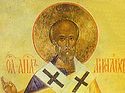 Apostle Aristarchus of the SeventySaint Aristarchus was one of the Seventy Apostles, whom the Lord Jesus Christ sent to proclaim the good news of the Gospel. |