| Previous day | 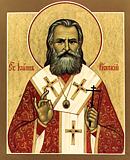
|
Next day |
| Old Style
September 29
|
Sunday |
New Style
October 12
|
| 18th Sunday after Pentecost. Tone 1. |  No fast.
|
 St. Cyriacus the Hermit, of Palestine (556).
Martyrs Dada, Gabdelas, and Casdoe, of Persia (4th c.). St. Theophanes the Merciful, of Gaza. St. Cyprian, abbot, of Ustiug (Vologda) (1276). St. Onuphrius the Wonderworker, of Gareji, Georgia (1733). Uncovering of the relics of St. John (Maximovitch), archbishop of Shanghai and San Francisco (1993). Synaxis of the Saints of Poltava. Synaxis of the Saints of Chelyabinsk. Synaxis of the Saints of Spain and Portugal.
New Hieromartyr John (Pommer), archbishop of Riga (Latvia) (1934).
Holy Martyr Gudelia of Persia (4th c.). 80 Holy Martyrs of Byzantium (364- 378). St. Ludwin (Leudwinus), bishop of Trier (713). Martyrs Tryphon, Trophimus, and Dorymedon, and 150 Martyrs, in Palestine.
Repose of Blessed Anthony Alexeyevich, fool-for-Christ, of Zadonsk (1851), and Archimandrite Gerasim (Schmaltz) of Alaska (1969).
Thoughts for Each Day of the Year
According to the Daily Church Readings from the Word of God
By St. Theophan the Recluse

Nineteenth Sunday After Pentecost. [II Cor. 11:31-12:9; Luke 6:31-36]
The fundamental, original commandment is: love! It is a small word, but it expresses an all-encompassing thing. It is easy to say: you must love, but it is not easy to attain love to the necessary degree. It is also not exactly clear how to attain it; this is why the Saviour surrounds this commandment with other explanatory rules: love as thyself; and as ye would that men should do to you, do ye also to them likewise. Here is shown a degree of love that one can call boundless; for is there any limit to one’s love for oneself? And is there any good which one would not want for himself from others? Meanwhile, however, the instructions are not impossible to fulfil. The matter depends upon having perfect compassion toward others, to fully transfer their feelings to yourself, to feel the way they feel. When this occurs, there will be no need to point out what you must do for others in a given situation: your heart will show you. You must only take care to maintain compassion, otherwise egoism will immediately approach and return you to itself and confine you in itself. Then you will not lift a finger for another, and will not look at him, though he might be dying. When the Lord said: love thy neighbor as thyself, He meant that our neighbour should be in us, that is, in our heart, instead of our own selves. If our “I” remains in there as before, we cannot expect anything good to come of it.
Articles
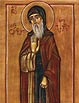
 The Holy Fathers of Davit-Gareji MonasteryKyrylo MyazhaOver the centuries, a whole host of venerable ascetics and martyrs have shone forth in the Gareji desert. |
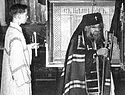
 Opening of the Relics, and Glorification of St. John MaximovitchArchpriest Peter Perekrestov"He is incorrupt! His relics are incorrupt!" |

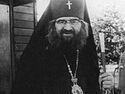 Living Lessons of Moral TheologyArchbishop Mikhail (Donskov) of Geneva and Western EuropeWe children probably understood his holiness. But we didn’t know how to handle it, we didn’t know how to approach him, but we felt it. |