


| Previous day | 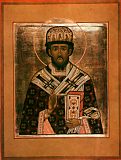
|
Next day |
| Old Style
November 6
|
Wednesday |
New Style
November 19
|
|
24th Week after Pentecost.
Tone 6.
Fast Day. |
 Wine and oil allowed.
|
 Paul the Confessor, archbishop of Constantinople (350).
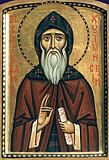
  St. Barlaam, founder of Khutyn Monastery (Novgorod) (1192).
Virgin-martyrs Tecusa, Alexandra, Claudia, Matrona, Polactia, Euphrosyne, and Athanasia, of Ancyra (303). St. Luke, monk, of Sicily (820). St. Luke, steward of the Kiev Caves (13th c.). St. Herman, archbishop of Kazan (1567). St. Barlaam of Keret (Karelia) (16th c).
New Hieromartyrs Nicetas (Delektorsky), bishop of Orekhovo-Zuevsk, Barlaam (Nikolsky), abbot, of Andreyevskoe (Moscow), Gabriel (Vladimirov), hieromonk of the St. Michael Skovorodsky Monastery (Novgorod), Gabriel (Gur), hieromonk, of Lytkarino (Moscow), and Arsenius Troitsky, archpriest, of Vlasovo (Moscow) (1937). New Nun-martyrs Seraphima (Gorshkova) of Novodevichy Convent (St. Petersburg) and Nina (Shuvalova) of Chimkent (Kazakhstan) (1937). Synaxis of the New Martyrs of Sarov: Anatole, Basil, Hierotheus, Isaac, and Rufinus (1938).
St. Illtyd, abbot, of Llanilltyd Fawr, Wales (505). St. Leonard of Noblac (Gaul) (ca. 559). St. Winnoc, abbot, of Flanders (716). St. Cowey of Portaferry, abbot, of Moville Monastery (8th c.). St. Demetrianus, bishop of Cytheria on Cyprus (ca. 915). St. Elias Fondaminsky of Paris (1942).
Commemoration of the Sarov Elders: Abbot Pachomius (1794), Hieroschemamonk Joseph (1785), Hieromonks Pitirim (1789) and Matthew (1795), and Monk Joachim (1802).
Thoughts for Each Day of the Year
According to the Daily Church Readings from the Word of God
By St. Theophan the Recluse

Wednesday. [II Thess. 2:1-12; Luke 12:48-59]
Suppose ye that I am come to give peace on earth? I tell you, Nay; but rather division: For from henceforth there shall be five in one house divided, three against two, and two against three. The father shall be divided against the son, and the son against the father; the mother against the daughter, and the daughter against the mother; the mother-in-law against her daughter-in-law, and the daughter-in-law against her mother-in-law. What is the reason? Those who believe in the Lord are filled with an entirely different spirit, contrary to that which reigned in people before His coming; that is why they cannot get along together. The pagan world pursued exclusively worldly and earthly interests. The Jews at least had indications of higher good things, but towards the end they inclined toward the path of the pagans. The Lord, coming to the world, showed people other treasures, outside of the family, outside of society, and awakened other aspirations. Those who accepted His teaching naturally established a way of life different from before, for which they were subjected to hostility, oppression, and persecutions. This is the division. The Apostle Paul then said that all desiring to live godly in Christ Jesus shall suffer persecution (II Tim. 3–12). So it was and so it is. When worldly and earthly interests begin to prevail in society, then society looks unfavourably at those who display other, unearthly strivings; it cannot even understand how it is possible to be interested in such things. People cannot stand those who serve as representatives of a way of life which is not similar to their life. This is happening now before everyone’s eyes. Is this not a sign of the times?…
Articles
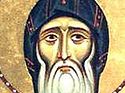
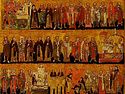
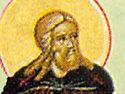 Venerable Luke of SicilySaint Luke of Sicily was a native of the Sicilian city of Tauromenium. |
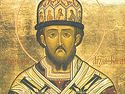 Second Translation of the relics of St Herman the Archbishop of Kazan |
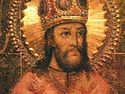
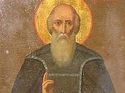 Saint Barlaam of KeretskSaint Barlaam of Keretsk served during the sixteenth century as a priest in the Keretsk area of the Kolsk peninsula on the White Sea. |
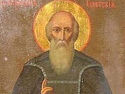 Saint Barlaam of KeretskSaint Barlaam of Keretsk served during the sixteenth century as a priest in the Keretsk area of the Kolsk peninsula on the White Sea. |
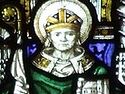
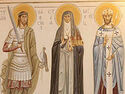 Orthodoxy in the Low Countries. Part 3: Great Monastic Saints and PenitentsMatthew HartleyWe now turn to some of the great monastic figures of the Low Countries. |