ORTHODOX CHRISTIANITY Orthodox Calendar
Orthodox Calendar 2021
Previous day
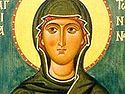
Преподобный Мартирий Зеленецкий Преподобномученица Евдокия Мц. Антонина Никейская
Next day
Old Style
March 1
Sunday
New Style
March 14
Cheese-fare Week—no meat; fish and dairy allowed. Cheese-fare (Forgiveness) Sunday. Tone 7.
Cheese-fare Week—no meat.

Cовершается служба, не отмеченная в Типиконе никаким знакомMartyr Eudocia of Heliopolis (160-170).

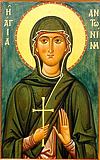
Martyr Antonina of Nicaea (3rd c.-4th c.). Martyrs Nestorianus (Nestor), Tribimius, Marcellus, and Anthony, of Perge in Pamphylia (249-251). Virgin Domnina, ascetic, near Cyrrhus (450-460). St. Martyrius, founder of Zelenets Monastery (Novgorod) (1603).

New Hieromartyrs Anthony (Korzh), hierodeacon of Kiziltash Monastery (Crimea), Peter Lyubimov, archpriest, of Kishkino (Moscow), and Benjamin Famintsev, archpriest, of Meshcherino (Moscow) (1938).

St. Albinus, bishop of Angers (550). St. David of Wales, bishop (6th c.). St. Suitbert (Swidbert), bishop in southern Westphalia and monastic founder on the Rhine River (713). St. Leo-Luke of Corleone, Sicily (ca. 900). St. Agapius of Kolitsou Skete of Vatopedi, Mt. Athos, and his four companions (13th c.). New Martyr Paraskevas of Trebizond (1659).

Thoughts for Each Day of the Year
According to the Daily Church Readings from the Word of God
By St. Theophan the Recluse

St. Theophan the Recluse

Cheese-fare Sunday. [Rom. 13:11–14:4; Matt. 6:14–21]

For if ye forgive men their trespasses, your Heavenly Father will also forgive you; But if ye forgive not men their trespasses, neither will your Father forgive your trespasses (Matt. 6:14–15). What a simple and handy means of salvation! Your trespasses are forgiven under the condition that you forgive the trespasses of your neighbour against you. This means that you are in your own hands. Force yourself to pass from agitated feelings toward your brother to truly peaceful feelings—and that is all. Forgiveness day—what a great heavenly day of God this is! If all of us used it as we ought, this day would make Christian societies into heavenly societies, and the earth would merge with heaven.

Articles
Martyr Eudokia of Heliopolis

Eudokia awoke one night at midnight and heard singing from the house of a Christian woman next to hers. A monk was reading from a book which described the Last Judgment, the punishment of sinners, and the reward of the righteous. The grace of God touched Eudokia’s heart, and she grieved because of her great wealth and for her sinful life.

Martyr Antonina of Nicea, in Bithynia

After fierce tortures, Saint Antonina was thrown into prison, but Maximian could not force the saint to renounce Christ and offer sacrifice to idols.

Virgin Domnina of Syria

The Virgin Domnina of Syria was a disciple of Saint Maron (February 14). The nun built a straw-covered hut in her mother’s garden and lived there as an ascetic, eating only lentils soaked in water.

Venerable Martyrius of Zelenets, Pskov

Harsh and painful was the life of the monk in the wilderness, but neither cold, nor deprivation, nor wild beasts, nor the wiles of the Enemy were able to shake his resolve. He built a small chapel for the glorification of, and in gratitude to, the Lord and the Most Holy Theotokos.

Holy Hierarch David, Patron Saint of Wales

Dmitry Lapa

The abbot led the same simple life as his monks and worked as hard as any of them. All the community members wore simple clothes and all their belongings were held in common. Voluntary poverty and the refusal of all possessions were among the main rules of the monastery. St. David himself, like many other Celtic saints, used to retreat to the river to read the whole Psalter, standing in cold river water even in winter.

Reclaiming St. David (feast day March 1/14)

Fr. Lawrence Farley

Devotion to St. David of Wales (and to all the western saints) serves a very important role in the Orthodox Church—it rescues us from the accusation that we are merely “the Eastern Church” (as some textbooks describe us), the eastern half of a sundered and broken body.

Venerable Agapius of Vatopedi

He was taken into captivity by Turks who had landed on the shore of Athos. They took him to Magnesia and there he worked in chains for twelve years. But he did not lose hope for freedom and fervently he prayed to the Mother of God to free him from this bitter captivity.
© ORTHODOX CHRISTIANITY