


| Previous day | 
|
Next day |
| Old Style
May 12
|
Sunday |
New Style
May 25
|
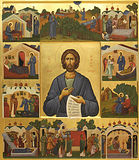
| 6th Sunday of Pascha. Sunday of the Blind Man. Tone 5. |  No fast.
|
 St. Epiphanius, bishop of Cyprus (403). St. Germanus, patriarch of Constantinople (740). Glorification of St. Hermogenes, patriarch of Moscow and all Russia (1913).
St. Sabinus, archbishop of Cyprus (5th c.). St. Polybius of Cyprus, bishop of Rinokyr in Egypt (5th c.). New Martyr John of Wallachia, at Constantinople (1662). St. Dionysius of Radonezh (1633), and St. Anthony (Medvedev) (1877), archimandrites, of St. Sergius Lavra. Synaxis of the Saints of the Sofroniev-Molchensk Monastery (Ukraine): Archimandrite Theodosius (Maslov), Hieromonk Serapion, Monk Sophronius (Batovrin), and Novice Sergius (Tikhonov), fool-for-Christ.
Synaxis of New Martyrs of Izyum (Ukraine). New Martyr Athanasia (Lepeshkin), abbess of the Smolensk Hodigitria Convent near Moscow (1931).
Martyr Pancratius of Rome (304). St. Philip of Agira, Sicily (5th c.). St. Theodore of Cythera, monk (922). New Martyr John of Serres (15th-16th c.).
Commemoration of Monk Dorotheus, disciple of St. Dionysius of St. Sergius Lavra (1622).
Thoughts for Each Day of the Year
According to the Daily Church Readings from the Word of God
By St. Theophan the Recluse

Sunday of the Blind Man. [Acts 16:16–34; John 9:1–38]
Simplicity of faith argues with crafty unbelief. Faith, coming to the blind man who received sight, enlightened his mind’s eyes, and he clearly saw the truth. See how everything was logical for him. They ask him: what do you say of Him who gave you sight? He is a prophet, he answered, that is the messenger of God, clothed in miracle-working power. An indisputably true conclusion! But learned erudition does not want to see this trueness and seeks to evade its consequences. However, this being impossible, it approaches unlearned simplicity with the suggestion: give God the praise: we know that this man is a sinner. Simplicity of faith does not know how to connect these concepts—sinfulness and miracle-working, and expresses this openly: Whether he be a sinner or no, I know not: one thing I know, that, whereas I was blind, now I see. What can one say against such deduction? But the logic of the unbelievers is obstinate, and even in the face of obviousness it is not ashamed to affirm that it does not know where he who opened the blind man’s eyes is from. Why herein is a marvellous thing, the sensible logic of faith says to them, that ye know not from whence He is, and yet He hath opened mine eyes. Now we know that God heareth not sinners: but if any man be a worshipper of God, and doeth His will, him he heareth. Since the world began was it not heard that any man opened the eyes of one that was born blind. If this man were not of God, He could do nothing (John 9:17–33). It would seem as though after this nothing remained other than to bow down before the power of such a conclusion. But learned erudition could not stand the sensible logic of faith, and drove it away... Go now, prove the truth of the faith to those whose mind has been corrupted with obstinate unbelief. The unbelievers of all times are cut from the same cloth.
Articles
 St. Epiphanius the Bishop of CyprusSaint Epiphanius, Bishop of Cyprus, “a last relic of ancient piety,” as Saint Jerome calls him, lived during the fourth century in Phoenicia. |
 St. Sabinus the Archbishop of CyprusSaint Sabinus, Bishop of Cyprus, was born in the Phoenician city of Lycia. |
 St. Polybius the Bishop in CyprusSaint Polybius was a disciple of Saint Epiphanius of Cyprus. He accompanied him on all his journeys and he wrote about the life and miracles of his teacher. |
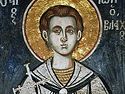 Martyr John the Wallachian of RomaniaSaint John was born into a poor family in Oltenia during the time of Prince Matthew Basarab. |
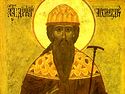
 Martyr PancratiusThe Holy Martyr Pancratius was a native of Phrygia, but lived in Rome with his uncle Dionysius after his parents died. They heard Bishop Cornelius preach, and were later baptized. |
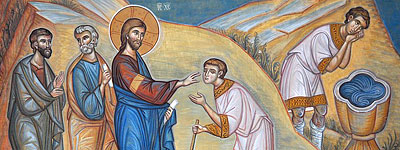 Sunday of the Blind Man |