| Previous day | 
|
Next day |
| Old Style
May 17
|
Friday |
New Style
May 30
|
|
6th Week after Pascha.
Tone 5.
Fast Day. |
 Fish, wine and oil allowed.
|
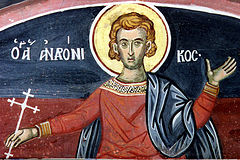
Afterfeast of the Ascension.  Apostle Andronicus of the Seventy and his fellow laborer St. Junia (1st c.).
Martyrs Solochon, Pamphamer, and Pamphalon, soldiers, at Chalcedon (284-305). St. Stephen the New, patriarch of Constantinople (893). St. Eudocia, in monasticism Euphrosyne, princess of Moscow (1407). St. Andronicus the Gravedigger, monk of the Zverinets Monastery (Kiev) (1096). St. Jonah Atamansky, archpriest, of Odessa (1924). Translation of the relics of St. Adrian, founder of Ondrusov Monastery (Karelia) (1551).
Sts. Nectarius (1550) and Theophanes (1544), of Meteora. Great-martyr Nicholas of Sofia (1555). St. Athanasius the New, bishop and wonderworker of Christianopolis (1735).
Thoughts for Each Day of the Year
According to the Daily Church Readings from the Word of God
By St. Theophan the Recluse

Friday. [Acts 19:1–8; John 14:1–11]
If ye had known me, ye should have known my Father also (John 14:7). Therefore, deists do not know God, in spite of the fact that they bear His name (Deus means God; from here comes the word deist), and reason eloquently about Him. There is no true God without the Son and without the Holy Spirit. He who believes in God, but does not confess Him as the Father of the Son, does not believe in a god that is the true God, but in some personal invention. The true God gave His Son, gave power to become the sons of God (John 1:12), loves them, and hears each of their prayers, for the sake of the Son. That is why he who has the Son has the Father; and he who does not have the Son, does not have the Father. No one comes to the Father except through the Son, and receives nothing from the Father, except through the Son. Apart from the Son there is no path to the true God; and he who thinks to invent Him is deluded.
Articles
 Apostle Andronicus of the SeventySaint Andronicus Apostle of the Seventy and Saint Junia were relatives of the holy Apostle Paul. They labored much, preaching the Gospel to pagans. |
 St. Stephen the Archbishop of ConstantinopleSaint Stephen, Patriarch of Constantinople, was the younger son of Emperor Basil the Macedonian, and was a brother of Emperor Leo the Wise. |
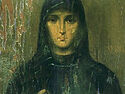
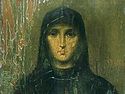
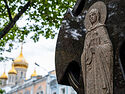 St. Euphrosyne of Moscow: to Be a Princess Means to Serve Your Fatherland, God, and PeopleOlga SokirkinaSt. Euphrosyne became the only woman representative of Muscovy to be ranked among the saints. |