| Previous day | 
|
Next day |
| Old Style
May 18
|
Saturday |
New Style
May 31
|
| 6th Week after Pascha. Tone 5. |  No fast.
|
Afterfeast of the Ascension.  Commemoration of the Holy Fathers of the Seven Ecumenical Councils. Martyr Theodotus of Ancyra and seven virgin-martyrs: Tecusa, Alexandra, Claudia, Phaine, Euphrasia, Matrona, and Julia (303). Martyrs Peter of Lampsacus and Andrew, Paul, Dionysius, and Christina, at Euridinos (249-251). St. Macarius (Glukharev), archimandrite, of the Altai (1847).
Martyrs Heraclius, Paulinus, and Benedimus, of Athens (250). Martyrs Symeon, Isaac, and Bachthisoes, of Persia (4th c.). Martyrs David and Tarechan, of Georgia (683). St. John Gashkevich, archpriest, of Korma (1917).
Martyr Euphrasia of Nicaea (ca. 303). Hieromartyr Potamon, bishop of Heraclea (341). St. Theodore I, pope of Rome (649). St. Stephen the New, patriarch of Constantinople (893). Elgiva (Aelfgifu), abbess, of Shaftesbury (944). New Hieromartyr Damian Strbac, Jr., priest, of Grahovo, Serbia (1940s). St. Anastaso of Leukadion. St. Martinian, monk, of the Areovinthus quarter, Constantinople.
Repose of Blessed Philip, founder of Gethsemane Caves Skete, St. Sergius Lavra (1869).
Thoughts for Each Day of the Year
According to the Daily Church Readings from the Word of God
By St. Theophan the Recluse

Saturday. [Acts 20:7–12; John 14:10–21]
And whatsoever ye shall ask of the Father in my name, that will I do (John 14:13). What a consoling promise! But how few make use of it! People rarely keep this in mind. There are people who do not understand this at all, and do not accept it. Why is this so? Because they do not love the Lord, and they do not fulfil His commandments. This unfaithfulness of the heart toward the Lord relinquishes any boldness to petition the Lord, just as a lazy servant does not dare ask something of his masters, for he knows that he does not deserve any mercy. The established prayers are read in their usual course, and they contain very great petitions; but they are merely read, and this, as we well know, is far from prayer and petitioning. We cannot stand with true prayer before the Lord and extend our petitions to Him until our conscience is clear before Him.
Articles
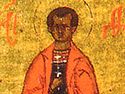 Hieromartyr Theodotus the Bishop of AncyraThe Holy Martyr Theodotus lived in Ancyra of Galatia in the third century. |
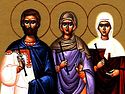
 Martyr Dionysius of Ancyra, who suffered under DeciusDionysius, Nikomachus, and two soldiers, Andrew and Paul, who had been transferred from Mesopotamia, were put on trial. |
 Virginmartyr Christina of Ancyra, who suffered under DeciusSaint Christina suffered under emperor Decius (249-251). |
 Martyrs Heraclius, Paulinus, and Benedimus, of AthensThe Holy Martyrs Heraclius, Paulinus and Benedimus suffered for Christ in the city of Athens. |