| Previous day | 
|
Next day |
| Old Style
May 31
|
Friday |
New Style
June 13
|
| First Week after Pentecost (Fast-free period). Tone 7. |  No fast.
|
 Apostle Hermes of the Seventy (1st c.). Martyr Hermias, at Comana (2nd c.).
Martyr Philosophus, at Alexandria (3rd c.). First translation of the relics of Hieromartyr Philip, metropolitan of Moscow and all Russia, to Solovki (1591).
New Hieromartyr Archpriest Philosophus Ornatsky, with his sons Martyrs Nicholas and Boris, in St. Petersburg (1918). New Hieromartyrs Hierotheus (Afonin), bishop of Nikolsk (1928), and Hieroschemamonk Seraphim (Nikolsky) (1923).
Martyr Marus the Magician, converted on witnessing the martyrdom of St. Hermias (160). St. Eustathius, patriarch of Constantinople (1025). St. Philotheus, metropolitan of Tobolsk (1727). Finding of the relics of New Martyr Nicholas the Deacon, of Mytilene (1960).
Repose of Archimandrite Macarius of Peshnosha Monastery (1811).
Thoughts for Each Day of the Year
According to the Daily Church Readings from the Word of God
By St. Theophan the Recluse

Friday. [Rom. 2:14–29; Matt. 5:33–41]
But I say unto you, That ye resist not evil (Matt. 5:39); in other words, allow yourself to be a victim of human selfishness and malice. But how can one live like that? Do not worry. He who gave this commandment is our Provider and Guardian. When you desire to live like this with complete faith from your whole soul, to not resist any evil, the Lord Himself will arrange a life for you which is not only bearable, but joyful. Furthermore, resistance in fact can irritate an aggressor even more and motivate him to invent new troubles, whereas a yielding demeanour disarms him and humbles him. Thus, if you would just suffer the first onslaught of malice, people will take pity on you and leave you alone, while resistance and revenge kindle malice, which is passed on from the individual to his family, and then from generation to generation.
Articles
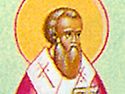 Apostle Hermas of the SeventyThe Holy Apostle Hermas was a bishop in Philippopolis, Thrace. |
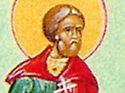 Martyr Hermias at ComanaHoly Martyr Hermias suffered for Christ in the city of Comana during the persecution under the emperor Antoninus Pius (138-161). |
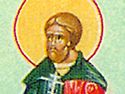 Martyr Philosophus at AlexandriaHoly Martyr Philosophus suffered for Christ in Alexandria during the persecution by the emperor Decius (249-251). |