


| Previous day | 
|
Next day |
| Old Style
June 22
|
Saturday |
New Style
July 5
|
|
4th Week after Pentecost.
Tone 2.
Fast of the Holy Apostles. |
 Fish, wine and oil allowed.
|
 Hieromartyr Eusebius, bishop of Samosata (380).
St. Alban, protomartyr of Britain (304). Martyrs Zeno and his servant Zenas, of Philadelphia in Arabia (Amman) (304). Martyrs Galacteon, Juliana, and Saturninus, of Constantinople. St. Gregory, metropolitan of Wallachia (1834).
St. Athanasius, bishop of Chytri on Cyprus (4th c.). St. Paulinus the Merciful, bishop of Nola (431). 1,480 martyrs of Samaria in Palestine (ca. 615). St. Anastasia (Anna) of Serbia, mother of St. Sava. St. Basil, abbot, of Patalaria Monastery (8th c.-9th c.).
Repose of Righteous Mary the Cave-digger, of White Mountain Monastery near Voronezh (1822), and Hieromonk Andrew, slain at Comana, Georgia (1993).
Thoughts for Each Day of the Year
According to the Daily Church Readings from the Word of God
By St. Theophan the Recluse

Saturday. [Rom. 6:11-17; Matt. 8:14-23]
To one of those who wanted to follow the Lord, He said: The Son of man hath not where to lay his head, and to another who wanted first to bury his father, He said to leave the dead; others will bury him, but you follow Me. This means that he who wants to follow the Lord should not expect any comfort on the earth after following Him, but only deprivations, needs and sorrows; and it means that worldly cares, even the most legitimate, are not compatible with following Him. It is necessary to decisively renounce everything, so that nothing attaches you to the earth, and then to condemn yourself to many sufferings or your cross. Having thus prepared yourself, follow the Lord. This is the direct will of the Lord! But who is this commandment for—only the Apostles, or for all Christians? Let each figure it out himself. Deny yourself and take up the cross. Was this said to everyone? Love the Lord more than father and mother, brothers and sisters, wife and children—is this said to everyone? The conclusion is clear. What should we do? One time the Apostles posed the same question to the Lord, and He answered them, The things which are impossible with men are possible with God (Luke 18:27).
Articles
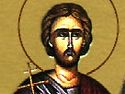 Martyr Zeno of PhiladelphiaSt Zeno possessed a large fortune, but he distributed his substance to the poor and manumitted slaves. |
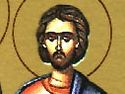 Martyr Zenas the Servant, of PhiladelphiaSaint Zenas was the servant of St Zeno. They lived in the Arabian city of Philadelphia, and led a pious life. |
 Martyr Galacteon of ConstantinopleSt Galacteon was drowned in the sea for confessing faith in Christ. |
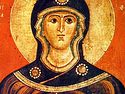 Martyr Juliana of ConstantinopleSt Juliana was burned together with her son Saturninus because she was a Christian. |
Martyr Saturninus of ConstantinopleSaturninus was burned together with his mother St Juliana. |
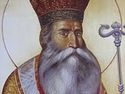 St Gregory, Metropolitan of WallachiaSaint Gregory (Dascalu) was Metropolitan of Wallachia. |
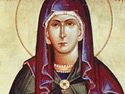 Venerable Anastasia of SerbiaSaint Anastasia was the mother of St Sava of Serbia. |