


| Previous day | 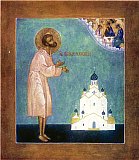
|
Next day |
| Old Style
February 28
|
Friday |
New Style
March 13
|
|
3rd Week of Great Lent.
Tone 6.
Great Lent. |
 Monastic rule: xerophagy (bread, uncooked fruits and vegetables).
|
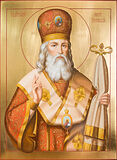
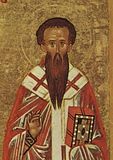
 St. John Cassian the Roman, abbot, of Marseilles (435). St. Basil the Confessor (ca. 750). St. Arsenius (Matsievich), metropolitan of Rostov, confessor (1772).
Hieromartyr Nestor, bishop of Magydos, at Perge in Pamphylia (250). Sts. Marina and Kyra, nuns, of Beroea in Syria (ca. 450). Hieromartyr Proterius, patriarch of Alexandria, and six companions (457). St. John, called Barsanuphius, of Nitria in Egypt (5th c.). St. Theosterictus the Confessor, abbot, of Pelecete Monastery near Prusa (8th c.). Blessed Nicholas of Pskov, fool-for-Christ (1576). St. Cassian, founder of Muezersk Hermitage (before 16th c.). St. Cassian, recluse and faster of the Kiev Caves (14th-16th c.). St. Meletius, archbishop of Kharkov (1840).
“Devpeteruv” Icon of the Most Holy Theotokos (1392).
Apostles of the Seventy Nymphas and Eubulus (1). St. Romanus, desert-dweller of Condat in the Jura Mountains (Gaul) (460). St. Germanus of Dacia Pontica (Dobrogea, Romania) (5th c.). St. Oswald, archbishop of York (992). New Virgin-martyr Kyranna of Thessalonica (1751). St. Barsus of Damascus, bishop
Thoughts for Each Day of the Year
According to the Daily Church Readings from the Word of God
By St. Theophan the Recluse

Friday.
The wicked shall fall by his own wickedness (Prov. 11: 5).[1] Impiety is an incorrect relationship to God, or complete forgetfulness of God, to which belong also unbelief in the existence of God and in His providence for creatures. Some souls, being oppressed by wicked thoughts like these, but desiring nevertheless to be respectable individuals, resolve, “I will be upright, honest, and humane, not occupying myself with whether there is something higher than me which observes me, has expectations of me, and is able to demand an account.” And what is the result? The blessing of God—which they do not seek—does not abide with them, and their affairs do not prosper. Their conscience daily reminds them about their deeds either of unrighteousness, dishonesty or inhumanity. They only make a show of righteousness before other people in order to justify themselves, sharply fending off accusation, and falsely interpreting facts as needed. He whose conscious is inwardly blameless has no need of self-justification. Those who are not attentive to themselves allow this inner discord to slip by: those who are attentive control this with difficulty. Oh, when will one of such people conscientiously look at this discord, and discern where it comes from and how to set it right? He could then both set himself right and direct others toward the proper harmony.
[1] The Slavonic for Prov. 11:5 reads: The impious shall fall by his own impiety.
Articles

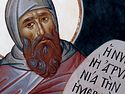

 Hieromartyr Nestor the Bishop of Magydos in PamphyliaDuring a persecution against Christians under the emperor Decius (249-251), he was arrested while praying in his home. |


 Venerable John-Barsanuphius the Bishop of DamascusSaint John, called Barsanuphius, was a native of Palestine. He was baptized when he was eighteen years old, and later became a monk. |
 Martyr TheokteristusThe Holy Martyr Theokteristus, Igumen of the Pelekete monastery, suffered for the holy icons under the impious emperor Constantine Copronymos (741-775). |

