


| Previous day | 
|
Next day |
| Old Style
March 6
|
Friday |
New Style
March 19
|
|
1st Week of Great Lent.
Tone 7.
Great Lent. |
 Monastic rule: xerophagy (bread, uncooked fruits and vegetables).
|
 The 42 Martyrs of Ammorium in Phrygia, including Constantine, Aetius, Theophilus, Theodore, Melissenus, Callistus, Basoes, and others (ca. 845). St. Job ( Joshua in schema) of Anzersk Island (Solovki) (1720).
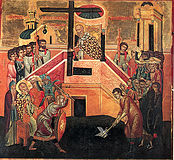
Monk-martyrs Conon and his son Conon, of Iconium (270-275). The uncovering of the Precious Cross and the Precious Nails by Empress St. Helen (326). St. Arcadius, monk, of Cyprus (4th c.) and his disciples Julian and Bulius. St. Fridolin, abbot, enlightener of the Upper Rhine (5th c.-6th c.).
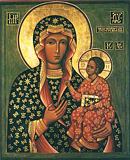
Icons of the Most Holy Theotokos: “Chenstokhov” (Poland) (1st c.) and “Blessed Heaven” (Moscow) (14th c.).
Martyrs Cyriacus and 12 companions, who suffered under Diocletian in Augsburg (ca. 304)
Repose of Helen Kontzevitch, Church writer (1989).
Thoughts for Each Day of the Year
According to the Daily Church Readings from the Word of God
By St. Theophan the Recluse

Friday.
The Lord scorneth the scorners: but He giveth grace unto the lowly (Prov. 3:34). Particularly remember these words when you go to confession. Nothing like pride binds your tongue to keep it from saying, “I am a sinner.” Humble yourself before the Lord, do not spare yourself, do not fear the face of man. Reveal your shame for it to be washed; show your wounds for them to be healed; tell of all your unrighteousness that you be justified. The more merciless you will be with yourself, the more compassion the Lord will show towards you, and you will leave with a sweet feeling of forgiveness. This is that grace of our Lord Jesus Christ, given from Him to those who humble themselves through sincere confession of their sins.[1]
[1] In Russia people traditionally went to confession on the evening of this first Friday of Great Lent, in preparation for Holy Communion the next day. See the footnote for Tuesday of this week.
Articles
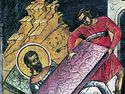
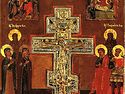 Uncovering of the Precious Cross and the Precious Nails by the Empress St Helen in JerusalemThe Holy Empress Helen uncovered the Precious Cross and Nails of the Lord at Jerusalem in 326. |
 Venerable Arcadius of CyprusSaint Arcadius from his youth devoted himself to monastic efforts. |
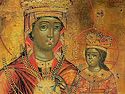
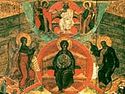 Icon of the Mother of God “the Blessed Heaven”The “Blessed Heaven” Icon of the Mother of God is on the iconostasis of the Moscow Archangel cathedral in the Kremlin. |