| Previous day | 
|
Next day |
| Old Style
November 17
|
Sunday |
New Style
November 30
|
|
25th Sunday after Pentecost.
Tone 8.
Nativity Fast. |
 Fish, wine and oil allowed.
|
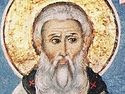
 St. Gregory the Wonderworker, of Neo-Caesarea (266).
  St. Nikon, abbot, of Radonezh, disciple of St. Sergius. (1426).
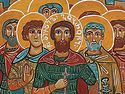
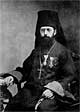
Martyrs Acisclus and his sister Victoria, at Cordoba (304). St. Lazarus the Iconographer, of Constantinople (857). Martyrs Gobron (Michael) and 133 soldiers, of Georgia (914). Archimandrite Sebastian (Dabovich), missionary in America (1940).
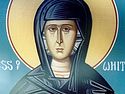
Hieromartyr Basil, bishop of Hamah (ca. 282). Martyrs Zachariah the Cobbler and his wife Mary (3rd c.). Martyrs Gregory, Victor, and Geminus, of Heracleon in Thrace (304). 150 philosophers converted by St. Catherine and martyred at Alexandria (305). St. Longinus of Egypt (4th c.). St. Maximus (Maximian), archbishop of Constantinople (434). St. Vulfolaic, stylite, of Trier (6th c.). St. Gregory, bishop of Tours (594). St. Hilda, abbess of Whitby (680). St. John the Cobbler, of Olumba, Cairo, and Sinai (7th c.). St. Gennadius, steward of Vatopedi, Mt. Athos (14th c.).
Thoughts for Each Day of the Year
According to the Daily Church Readings from the Word of God
By St. Theophan the Recluse

Twenty Sixth Sunday After Pentecost. [Eph. 5:9-19; Luke 12:16-21]
Having spoken the parable about the man who became rich and planned to just eat, drink and be merry, and for this was struck with death, not remaining alive for the supposed pleasures, the Lord concluded: So is he that layeth up treasure for himself, and is not rich toward God. “So”—that is, such occurs, or such a lot befalls both these and others. Those who become rich and forget about God only think about pleasures of the flesh. Let those who desire to avoid this bitter lot “lay up” not “unto themselves, but be rich only toward God.” Since riches come from God, then devote them to God when they flow, and holy riches will come of it. Divide all surplus with the needy: this will be the same as returning to God what was given by God. He who gives to a poor person gives to God. Seemingly exhausting his riches, such a person becomes truly rich—rich through good deeds, rich for God. In pleasing Him he becomes rich in God, and by attracting His good will, he becomes rich from God, Who makes one who is faithful over a few things, ruler over many things. He becomes rich toward God, and not toward himself, for he does not consider himself to be master of the house, but only a steward and accountant, whose entire concern consists of satisfying all who come to him in need. But he fears spending anything in particular on himself, considering it to be an improper usage of property entrusted to him.
Articles
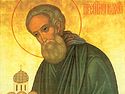
 Venerable Lazarus the Iconographer, of ConstantinopleSaint Lazarus the Iconographer lived in Constantinople. He was a priest, led a strict ascetic life and painted holy icons. |