


| Previous day | 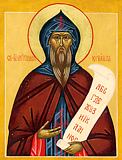
|
Next day |
| Old Style
February 14
|
Friday |
New Style
February 27
|
|
1st Week of Great Lent.
Tone 4.
Great Lent. |
 Monastic rule: xerophagy (bread, uncooked fruits and vegetables).
|
 St. Auxentius, monk, of Bithynia (ca. 470).
  St. Cyril, Equal-to-the-Apostles, teacher of the Slavs (869).
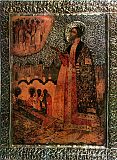
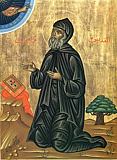
St. Maron, hermit of Cyrrhus (ca. 433). St. Abraham, bishop of Charres in Mesopotamia (5th c.). St. Isaac, recluse of the Kiev Caves (ca. 1090). Translation of the relics of Martyrs Prince Michael and his counselor Theodore, of Chernigov (1578). St. Hilarion the Georgian (the New) of Imereti and Mt. Athos (1864).
New Hieromartyr Onesimus (Pylaev), bishop of Tula (1937).
St. Peter, patriarch of Alexandria (380). Hieromartyr Philemon, bishop of Gaza. New Martyr Nicholas of Corinth (1554). New Monk-martyr Damian of Philotheou and Kissavos, at Larissa (1568). New Martyr George the Tailor, of Mytilene, at Constantinople (1693). St. Raphael, bishop of Brooklyn (1915). St. Ephraim of Katounakia (1998).
Repose of Archimandrite Barsanuphius of Valaam and Morocco (1952), Righteous Barbara (Arkhangelskaya) the Recluse, of Ufa (1966).
Thoughts for Each Day of the Year
According to the Daily Church Readings from the Word of God
By St. Theophan the Recluse

Friday.
The Lord scorneth the scorners: but He giveth grace unto the lowly (Prov. 3:34). Particularly remember these words when you go to confession. Nothing like pride binds your tongue to keep it from saying, “I am a sinner.” Humble yourself before the Lord, do not spare yourself, do not fear the face of man. Reveal your shame for it to be washed; show your wounds for them to be healed; tell of all your unrighteousness that you be justified. The more merciless you will be with yourself, the more compassion the Lord will show towards you, and you will leave with a sweet feeling of forgiveness. This is that grace of our Lord Jesus Christ, given from Him to those who humble themselves through sincere confession of their sins.[1]
[1] In Russia people traditionally went to confession on the evening of this first Friday of Great Lent, in preparation for Holy Communion the next day. See the footnote for Tuesday of this week.
Articles


 Sts. Cyril and Methodius |


 Venerable Isaac the Recluse of the Kiev Near CavesSaint Isaac was the first person in northern lands to live as a fool for Christ. |
 St. Isaac of ToropetsAlexey GunkinFoolishness for Christ is a particular form of sanctity where spiritual gifts and virtues are consciously hidden behind external, ostensible madness. |


 St. Raphael Bishop of BrooklynFrom his youth, Saint Raphael’s greatest joy was to serve the Church. |