


| Previous day | 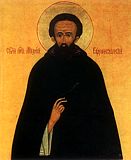
|
Next day |
| Old Style
May 6
|
Tuesday |
New Style
May 19
|
| 6th Week after Pascha. Tone 5. |  No fast.
|
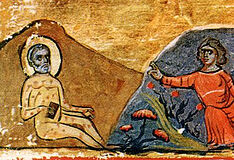
 Righteous Job the Long-suffering (ca. 2000-1500 b.c.).
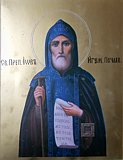
Martyrs Barbarus the Soldier, Bacchus, Callimachus, and Dionysius, in Morea (ca. 362). Martyr Barbarus, a former robber, in Epirus (9th c.). St. Micah, disciple of St. Sergius of Radonezh (1385). St. Job, abbot and wonderworker of Pochaev (1651).
St. Edbert, bishop of Lindisfarne (698). Translation of the relics of St. Sava I of Serbia (1238). Venerable Sinaites of Serbia: Romilus of Ravanica, Romanus of Djunisa, Sisoes of Sinai and Sisojevac, Martyrius of Rukumije, Gregory of Gornjak, Zosimas of Tuman, and Gregory of Sinai (Mt. Athos) (14th c.). St. Seraphim of Mt. Dombos (1602). Translation of the relics of St. Pachomius of Nerekhta (1675). Martyrs Cyria, Caleria [Valeria], and Marcia, of Caesarea in Palestine (304).
Repose of Archbishop Theophylactus (Lopatinsky) of Tver and Kashin, theologian and defender of Orthodoxy (1741), and slaying of Priest John Karastamatis of Santa Cruz (1985).
Thoughts for Each Day of the Year
According to the Daily Church Readings from the Word of God
By St. Theophan the Recluse

Tuesday. [Acts 17:19–28; John 12:19–36]
Except a corn of wheat fall into the ground and die, it abideth alone: but if it die, it bringeth forth much fruit (John 12:24). And so, if you want to be fruitful, die. Die in a real way, bearing always the feeling in your heart that you have already died. Just as a dead man does not respond to anything surrounding him, so do the same: if they praise you—be silent, and if they rebuke you—be silent, and if you make a profit—be silent; if you are full—be silent, or hungry—be silent. Be this way to all external things; inwardly abide in the place where all the dead abide—in the other life, before the all-righteous face of God, preparing to hear the final sentence. You may say, what fruit can come everything dying? No, nothing will die. Rather, abundant energy will appear! “I have but one minute remaining,” you will say to yourself. “Now will come the verdict; let me hurry to do something;” and you will do it. And thus continue every minute.
Articles


 Martyr Barbarus in Thessaly, who was a robberThe Holy Martyr Barbarus, formerly a robber, lived in Greece and for a long time he committed robberies, extortions and murders. |


 St. Job of Pochaev |


 St. Sava of Serbia and St. TatianaHieromonk Ignaty (Shestakov)The essence is that St. Sava laid the foundation of the independent Serbian Church and, in effect, created it. |