Buchhagen, Germany, November 19, 2025
 Photo: kirchenbau.org
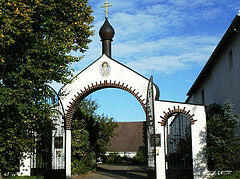
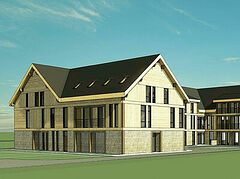
The brotherhood of the Holy Trinity Bulgarian Orthodox Monastery in Buchhagen, Germany, is appealing for urgent support to finish the construction of several roofs at the holy habitation.
Construction of the church began in 2021. In early 2024, the monastery launched GoFundMe, looking to raise 30,000 euros towards materials for the church roof. The campaign has brought in 15,210 euros over the past nearly two years.
In a message shared with OrthoChristian, the brotherhood renews its urgent call: “The time for collecting funds is now very urgent, as we have spent our last pennies finishing the main roofs. But there are still five small roofs to build and cover with natural stone, and for this we need help.”
 Photo: kirchenbau.org
The message continues:
We have been building our monastery church for four years. Architectural plans and detailed drawings were made by Elder Johannes. Most of the work is carried out by the monks and novices. Skilled Wandergesellen (wandering craftsmen) are involved, learning traditional building techniques. Renowned sculptors have also supported us. The church forms a magnificent unity with the surrounding landscape and demonstrates that it is still possible to create beautiful things today.
In 2025, we built part of the roof using only natural materials—wooden beams, copper, and the sandstone slabs typical of the Weser Uplands. In 2026, we look forward to completing the roofs of the side aisles, with God’s help—and your support!
Follow the construction progress here and donate to the monastery via its GoFundMe campaign.
***
The story of the monastery:
 Photo: gofundme.com
The Holy Trinity Monastery in Buchhagen, under the Bulgarian Patriarchate. was founded in 1990 by Elder Johannes and follows the tradition of Mount Athos where he received his monastic formation by the Elders of the Great Lavra and Elder Joseph of Vatopedi. In 1984, he was tonsured into the Great Schema.
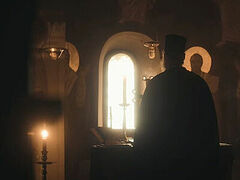
It is self supporting and maintains itself by the work of the monks. First and foremost is the liturgical work, the cycle of liturgical prayer and, of course, the Jesus prayer according to the hesychast tradition of the Holy Mountain. More than a little attention is given to the ongoing liturgical work of translating and setting to music liturgical texts of the Orthodox church. (https://www.youtube.com/@vaterlazarus2618) The architecture and design of the monastery buildings were taken from the architecture of early mediaeval Germany, i. e. from the time when this land was part of the ancient Orthodox Christian European culture, which at that time extended from Ireland to the Frankish empire, Bulgaria and Byzantium to Georgia in the Caucasian mountains. The soft and shining mural paintings and icons in the monastery call to mind early Christian prototypes as well as the frescos of the “Golden Ring” and the mediaeval monastery island “Reichenau” in the Bodensee.
The celebration of the liturgical services in the mother tongue is a necessity for all people who want to learn about and accept the Orthodox Christian faith. This is supported by the rediscovery of the customs of the early Orthodox Church, which, from the early 2nd cent. to the 10th cent., was composed of many Germanic tribes. So, by the grace of God, in obedience, humility and love towards Him and listening devotedly to His ways, step by step, an authentic German Orthodox tradition can grow.
Follow OrthoChristian on Facebook, Twitter, Vkontakte, Telegram, WhatsApp, and MeWe!