Ciorogârla, Ilfov County, Romania, January 16, 2026
 Photo: basilica.ro
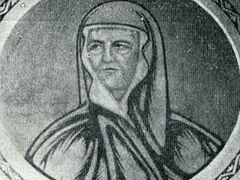
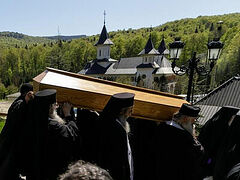
The relics of the newly canonized St. Evloghia Țârlea were uncovered on Thursday, January 15, at Samurcășești-Ciorogârla Monastery in Ilfov County, Romania.
His Grace Bishop Timotei Prahoveanul, vicar of the Archdiocese of Bucharest, described her as “an example of service” for monastics throughout the Orthodox Church and the Romanian Orthodox Church in particular, reports the Basilica News Agency.
St. Evloghia, who was canonized together with 15 other holy women last year by the Holy Synod of the Romanian Orthodox Church, exemplified Christian witness “in word, in deed, and in her final confession, since her death was caused by a terrible beating,” the hierarch said.
 Photo: basilica.ro
“Samurcășești-Ciorogârla Monastery now receives in one of its churches, and then, with God’s help, in the main church after other arrangements are completed, the relics of a confessor nun, of a person who devoted herself to serving her neighbor, of a person who prayed much, of a monastic who, as all sources say, was a true bride of Christ,” Bp. Timotei stated.
The uncovering ceremony was by various clergy and monastics.
Her canonization is part of the Romanian Patriarchate’s designation of 2026 as the Commemorative Year of Holy Women in the Calendar (myrrh-bearers, martyrs, monastics, wives and mothers). The official proclamation of the 16 caonized women will take place later this year.
***
 Photo: basilica.ro St. Evloghia Țârlea was born Ecaterina on November 24, 1908, in Nimfeo, a historic Vlach community in northern Greece. After losing her mother at a young age, she suffered under a stepmother who pushed her from a haystack, causing a spinal fracture that left her disabled for nine years.
Sent to relatives in Bucharest, she endured years of suffering and illness. In 1927, when she fell ill with peritonitis and was expected to die, the Mother of God and St. Catherine the Great Martyr appeared to her and healed her.
Following a call from Christ heard in a dream, she began missionary work and preaching. In 1939, she entered monastic life at Samurcășești, where she helped rebuild the monastery after the 1940 earthquake.
She continued preaching during the communist atheist persecution, which led to her martyrdom. After being savagely beaten for preaching the Gospel in a village in Călărași County, she died at her monastery on December 19, 1949.
Follow OrthoChristian on Facebook, Twitter, Vkontakte, Telegram, WhatsApp, and MeWe!