Nea Ionia, Attica, Greece, November 3, 2026
 Photo: ertnews.gr
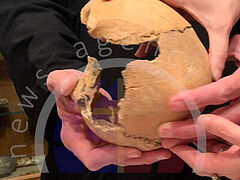
The relics of St. George of Neapolis, brought to Greece from Asia Minor in 1924, now have a permanent home in a church built in his honor, fulfilling a request that goes back decades.
On Monday, November 2, a procession carried them through the streets of Nea Ionia from the Church of St. Eustathius, where they’d been kept until now, to the new Church of St. George of Neapolis in the Ionian Center, reports ertnews.gr.
The incorrupt relics of the New Martyr are a longtime point of reference for the Asia Minor refugee community of the area, and St. George is the patron saint of the Metropolis.
Hundreds of people of all ages followed the procession along its route, and many more lined the sidewalks of Heraklion Avenue to honor the relics. Faithful strewed the procession with laurel, an age-old symbol of resurrection, hope and love.
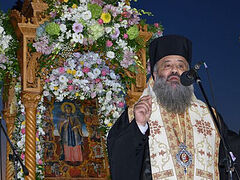
Metropolitan Gabriel of Ionia led the procession, joined by other hierarchs and clergy. When the relics reached the courtyard of the Ionian Center, the clergy welcomed them. The Service of the Opening of the Doors for the new church came next, followed by the Great Festal Hierarchical Vespers.
The Hierarchical Divine Liturgy was celebrated before the relics in their new home today.
***
St. George was a priest from Neapolis in Asia Minor, known in Turkish as Nev-Şehir. He served as a parish priest at the Church of the Dormition of the Theotokos in his hometown. He was known for his piety, integrity and devotion to the Lord’s commandments, and he tended his flock with justice and holiness. He was marked by patience under wrongs, humility, meekness and selfless love for his neighbor.
 Photo: Romfea
In 1797, the Christians of Malakopi, a village about six hours from Neapolis, invited him to celebrate the Divine Liturgy on a great feast day because their own priest was ill. According to another account, he had taken refuge there to escape persecution by people of other faiths. As he neared Malakopi, at a place called Kompia-Dere, meaning “ravine,” shepherds from the area violently attacked him. His attackers robbed him, tortured him and finally beheaded him.
The relics of St. George were found whole and incorrupt, giving off a Heavenly fragrance. They were found after a devout, God-fearing widow saw a vision. At first the relics were kept in the home of the saint’s fellow priest, Fr. Neophytus, and after his death they were moved to the parish church of Neapolis. There, Metropolitans Paisios, Cleobulus, and John of Caesarea, who often visited Neapolis, venerated them. They marveled at the Divine grace the saint had received and recognized his wonderworking power.
After the Asia Minor Catastrophe, the relics were brought to Greece in 1924 as part of the population exchange and placed in the Church of St. Eustathius the Great Martyr in Perissos, Attica.
Follow OrthoChristian on Facebook, Twitter, Vkontakte, Telegram, WhatsApp, and MeWe!