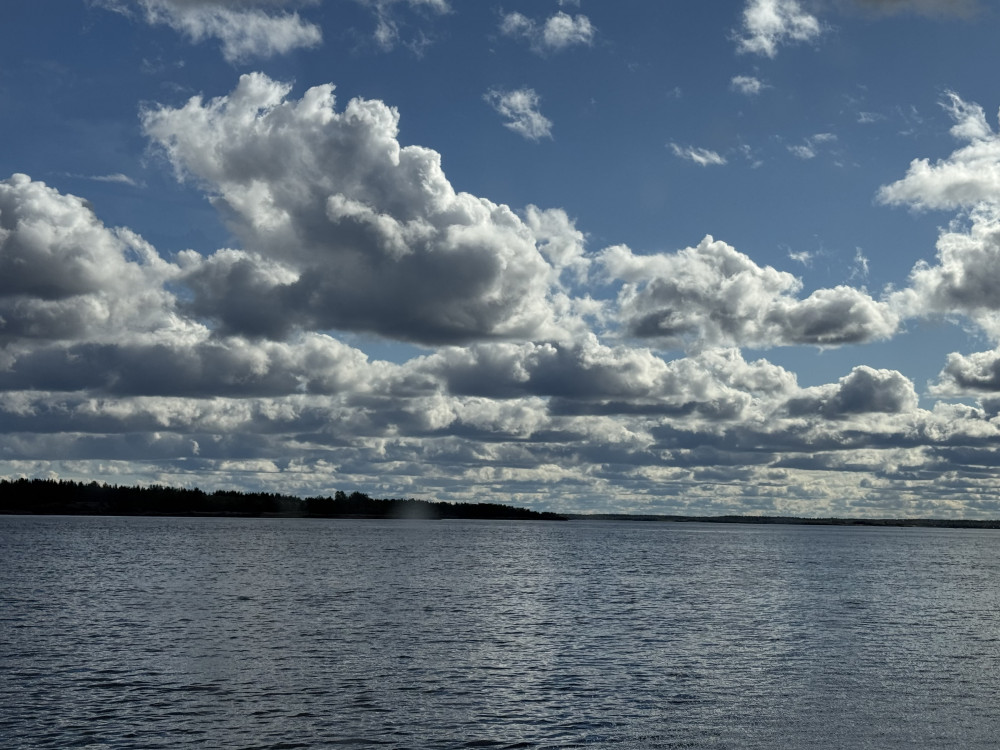
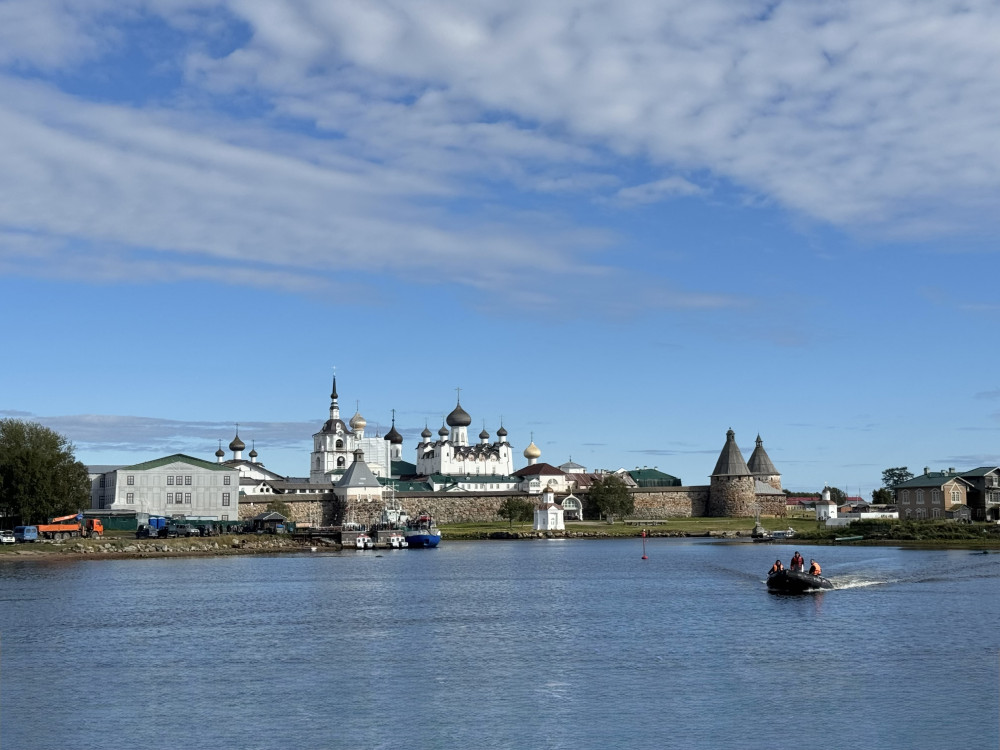
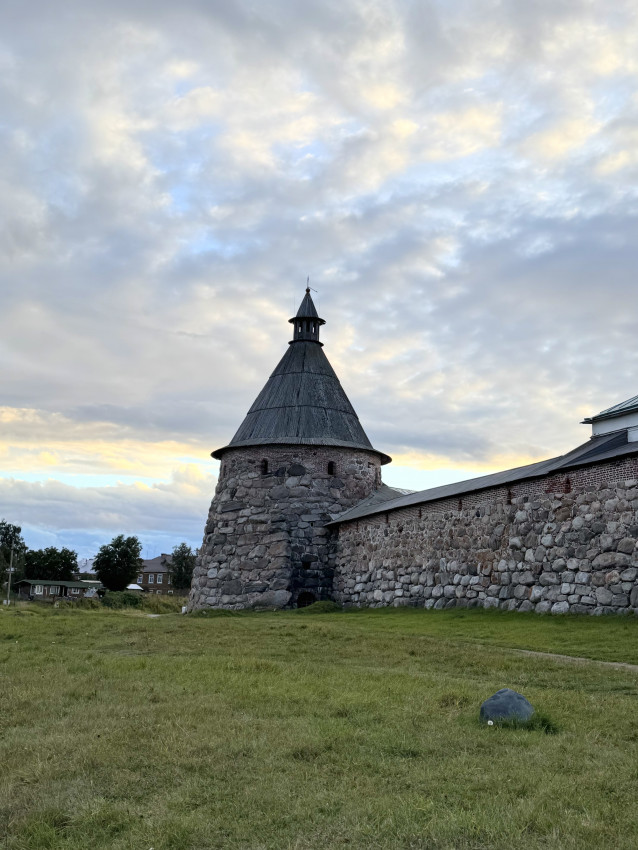
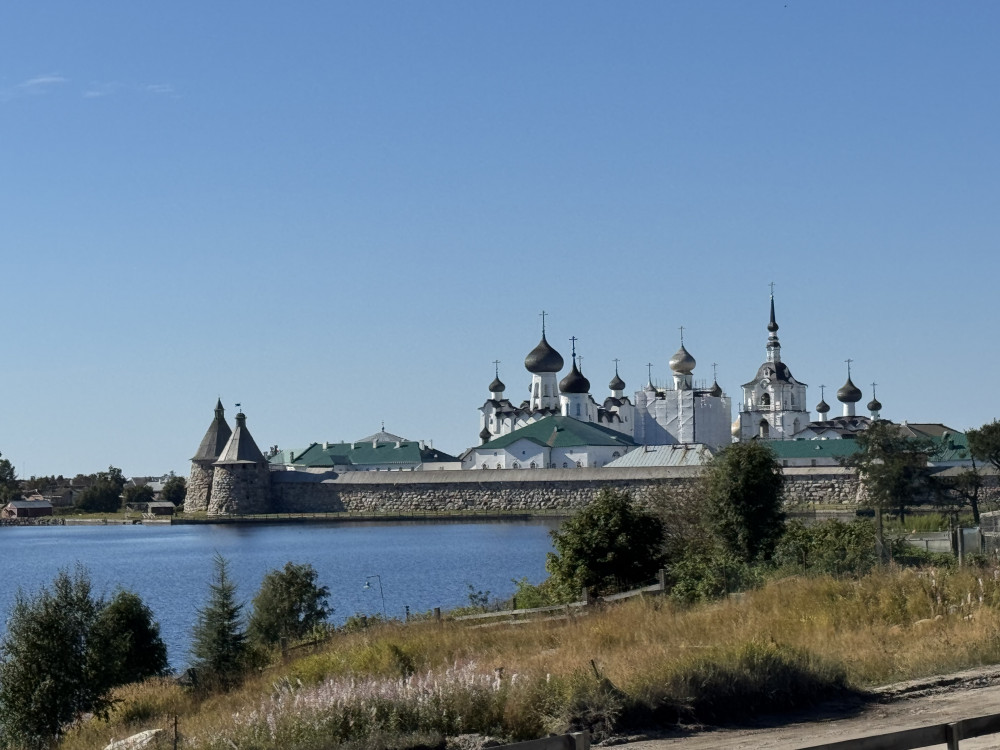
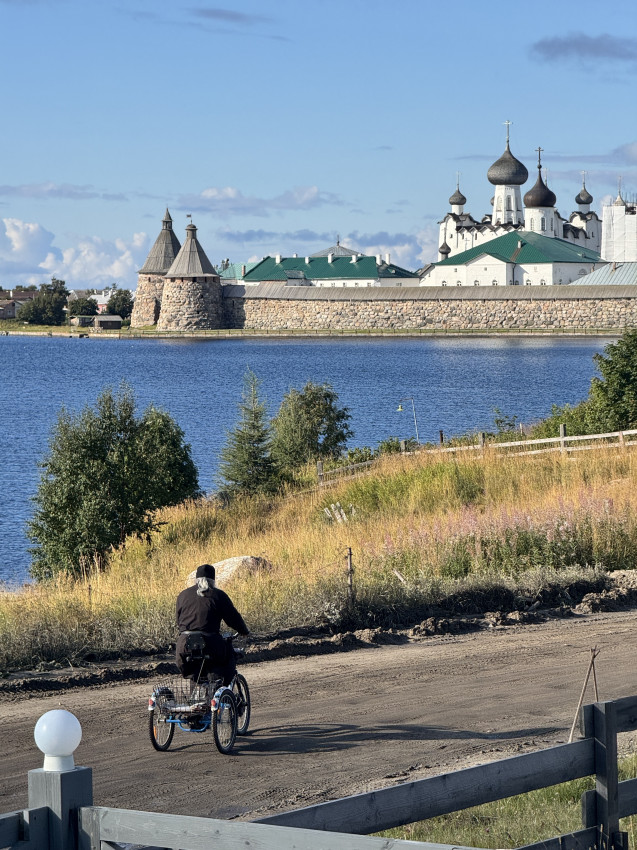
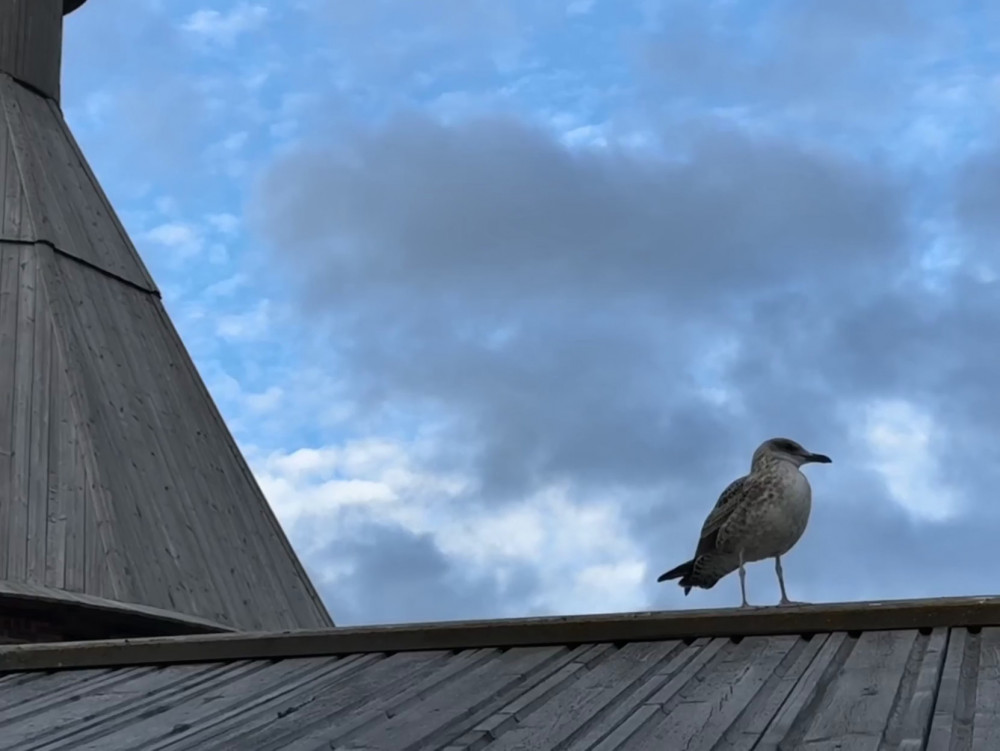
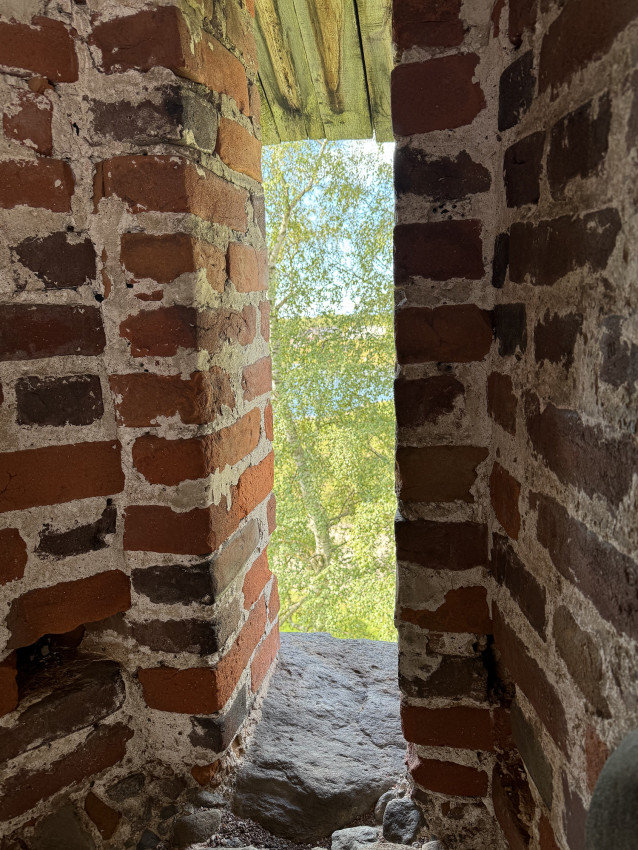
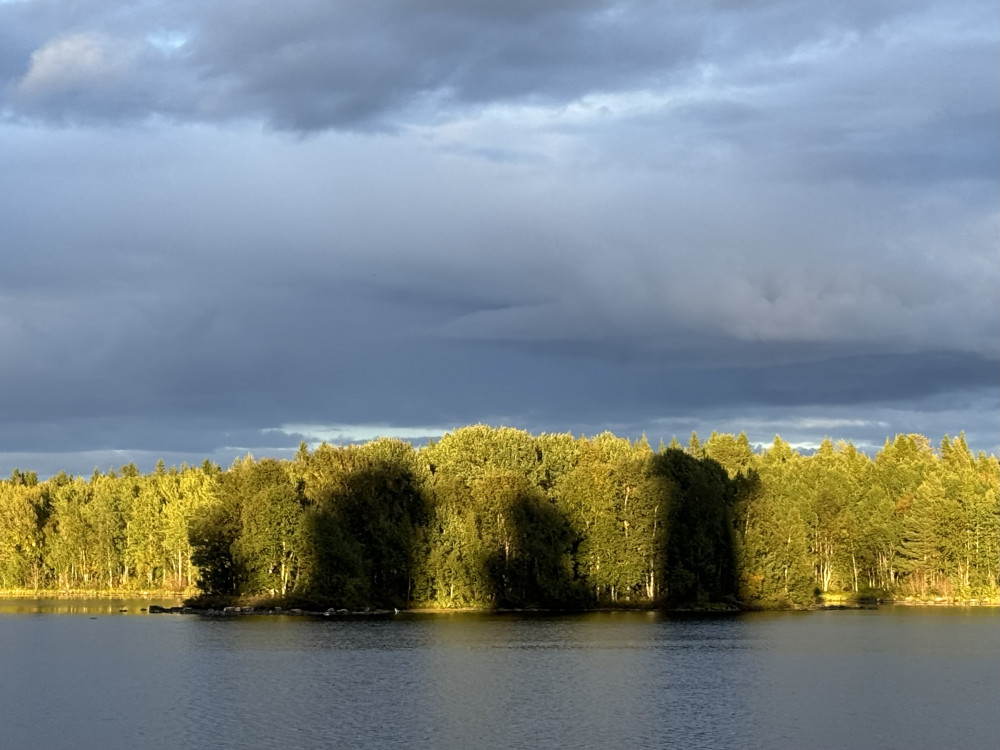
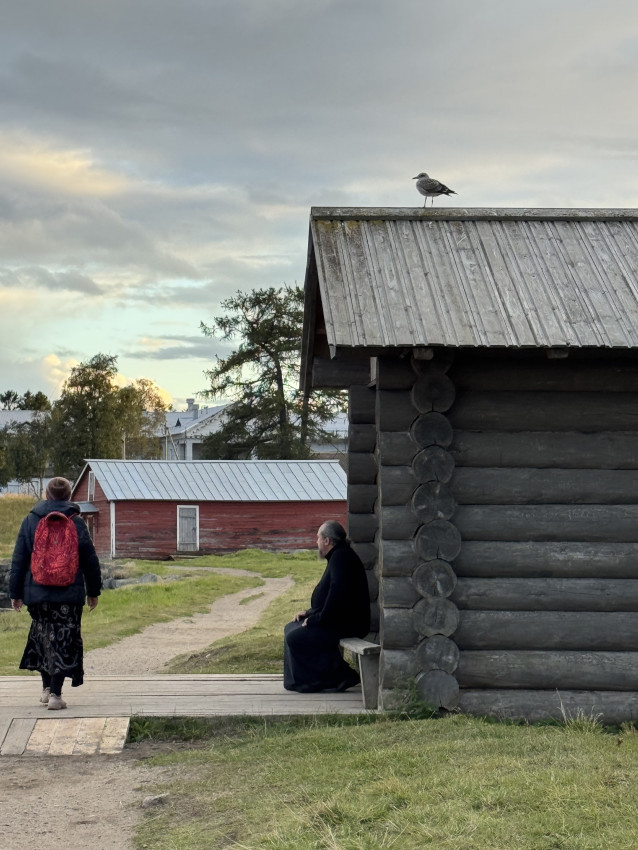
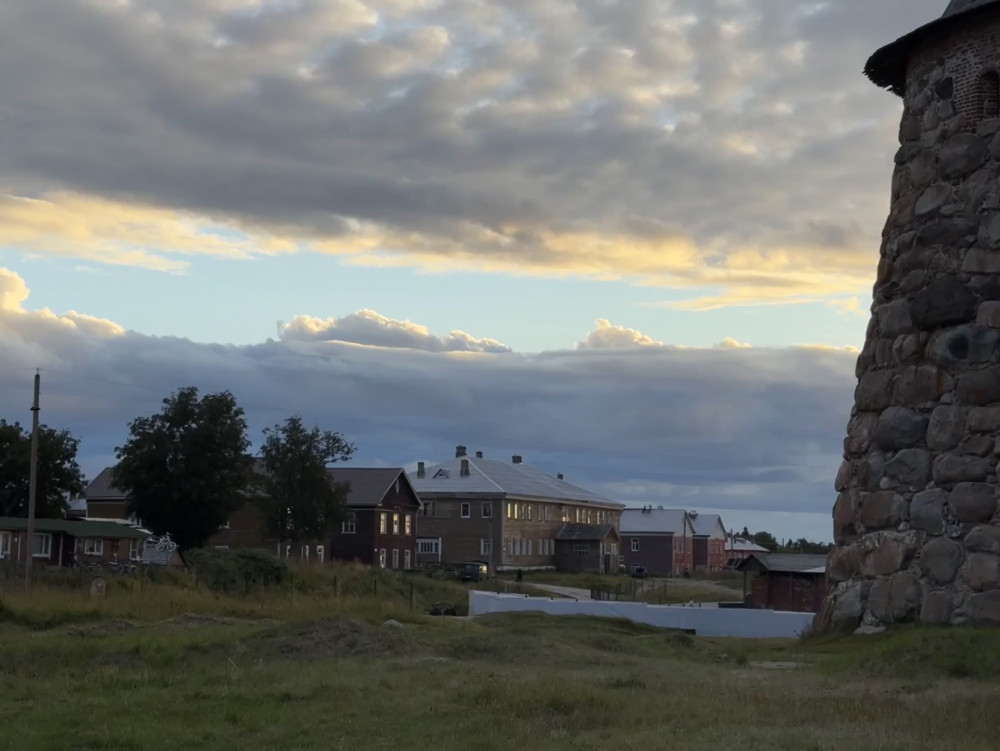
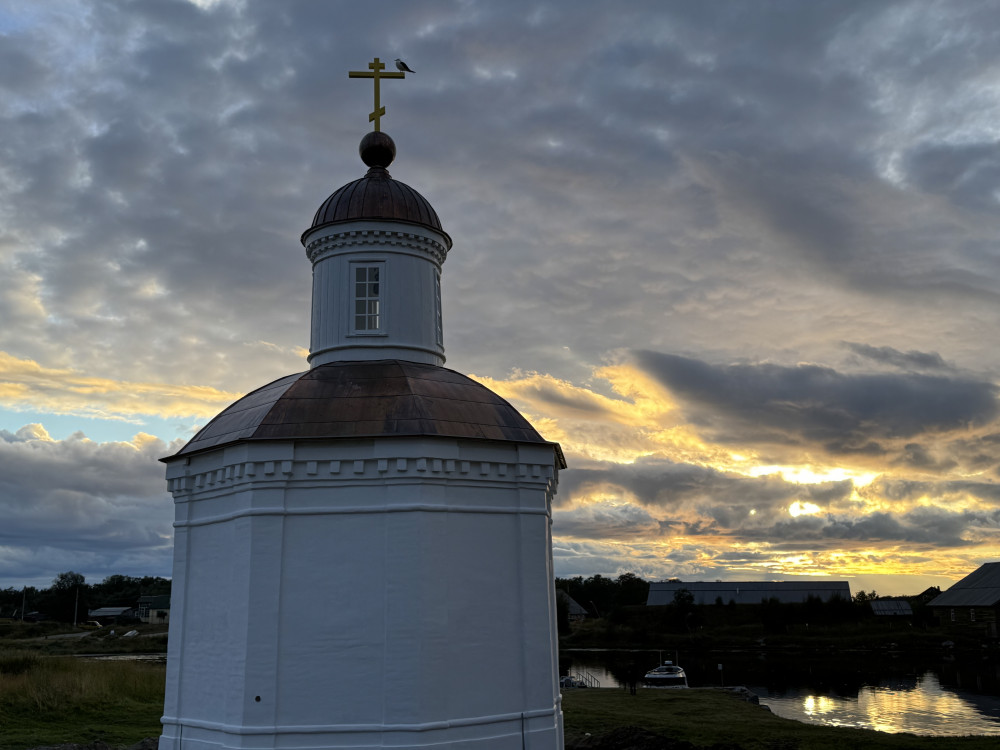
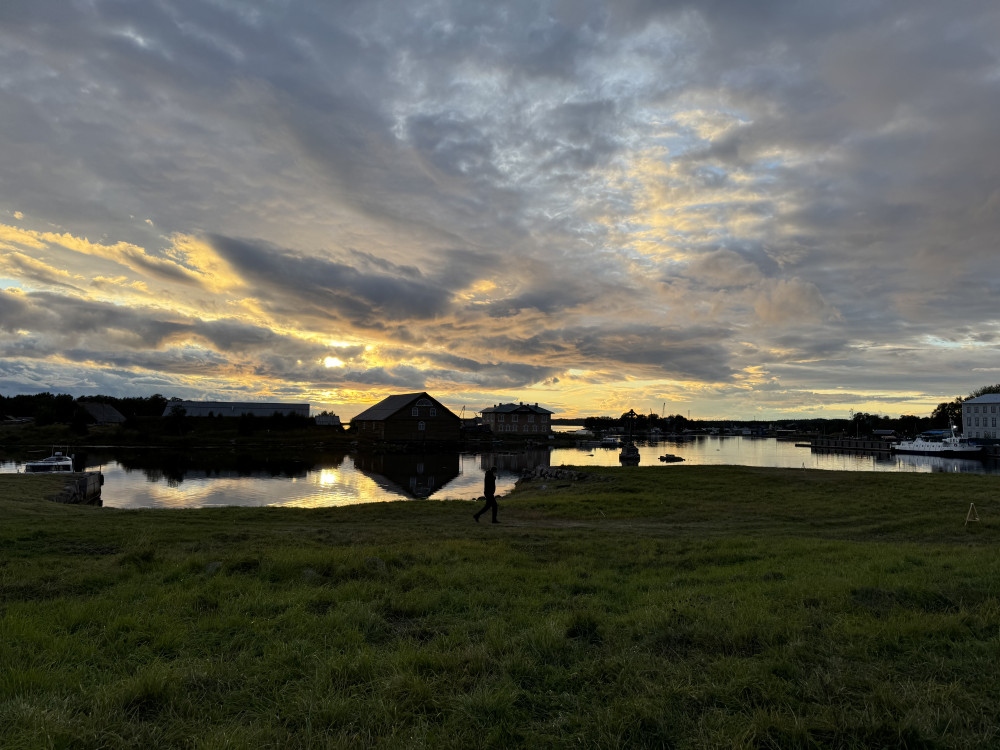
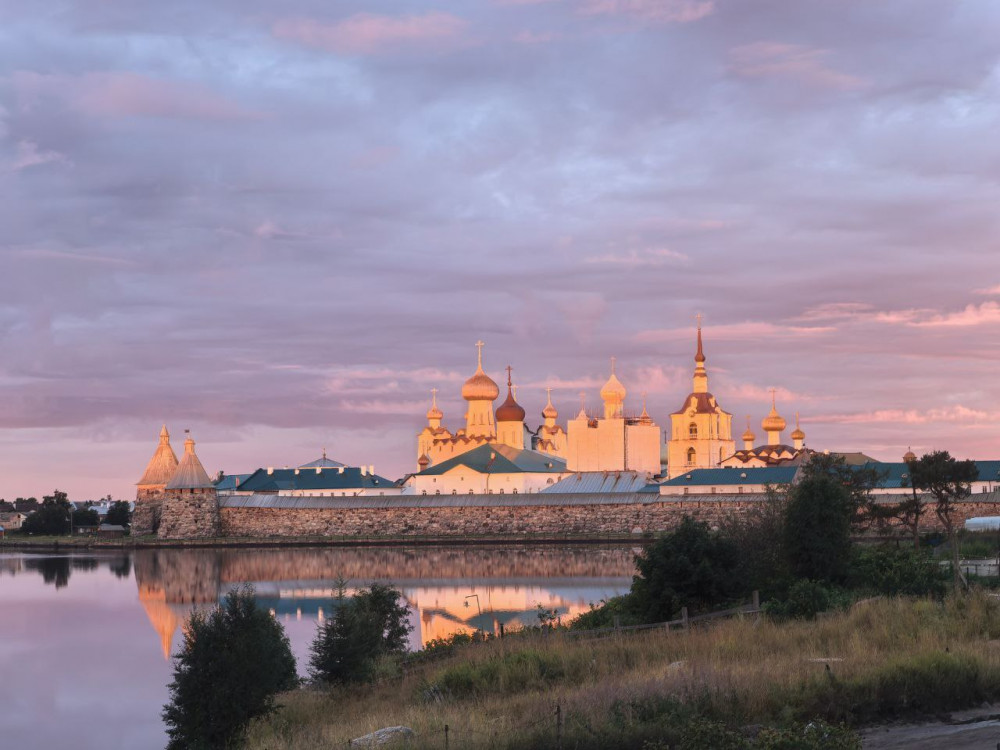
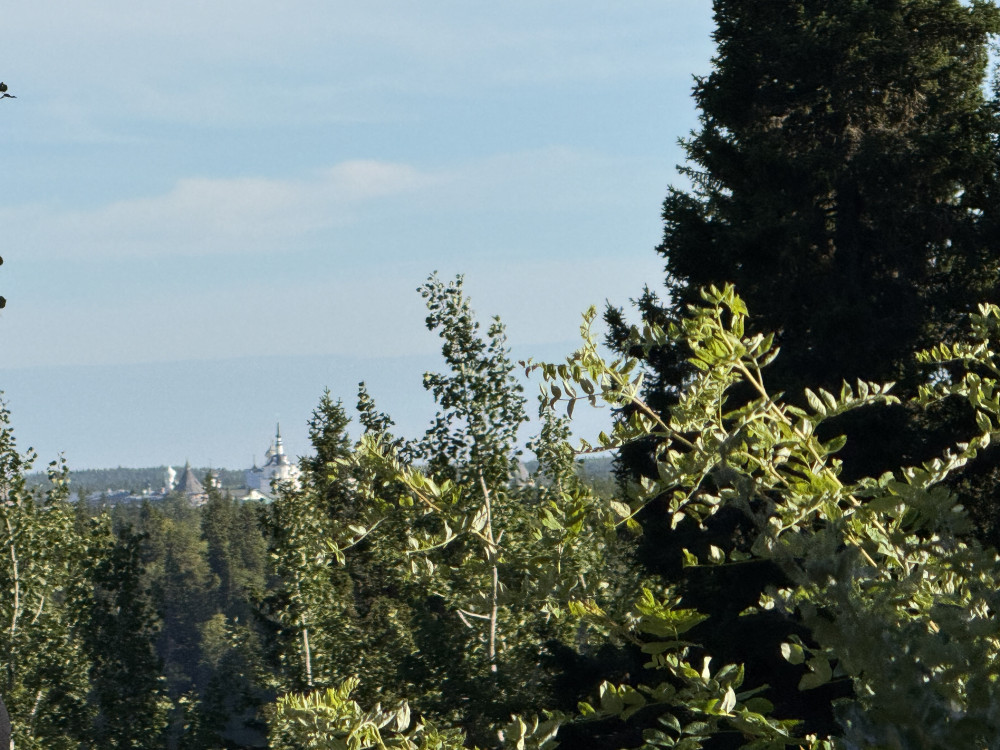
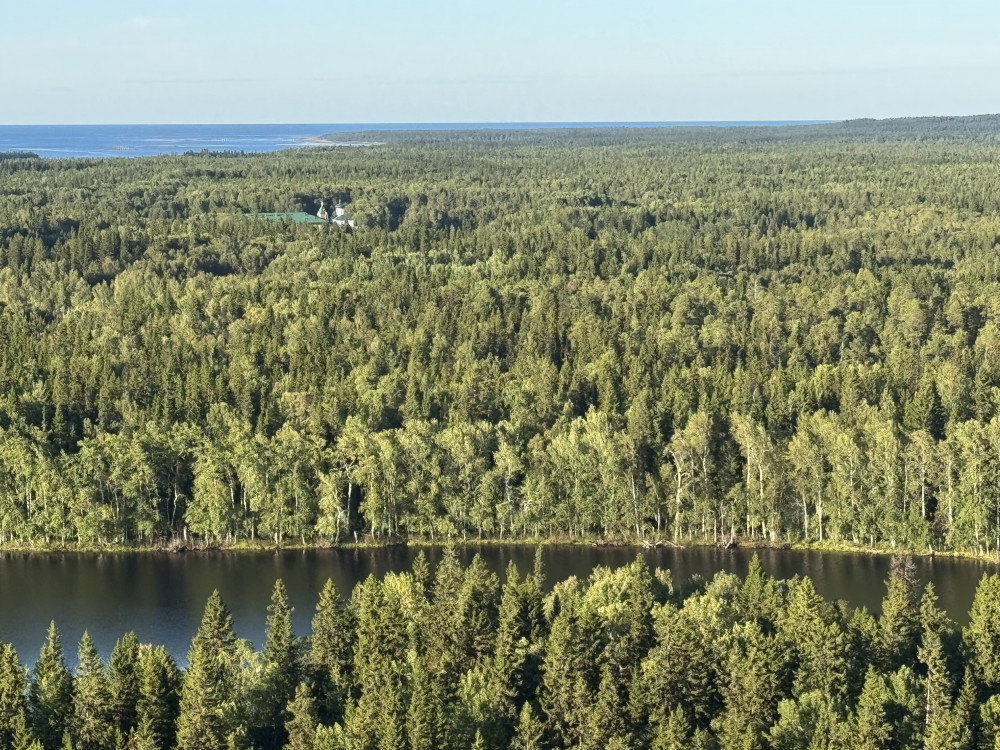
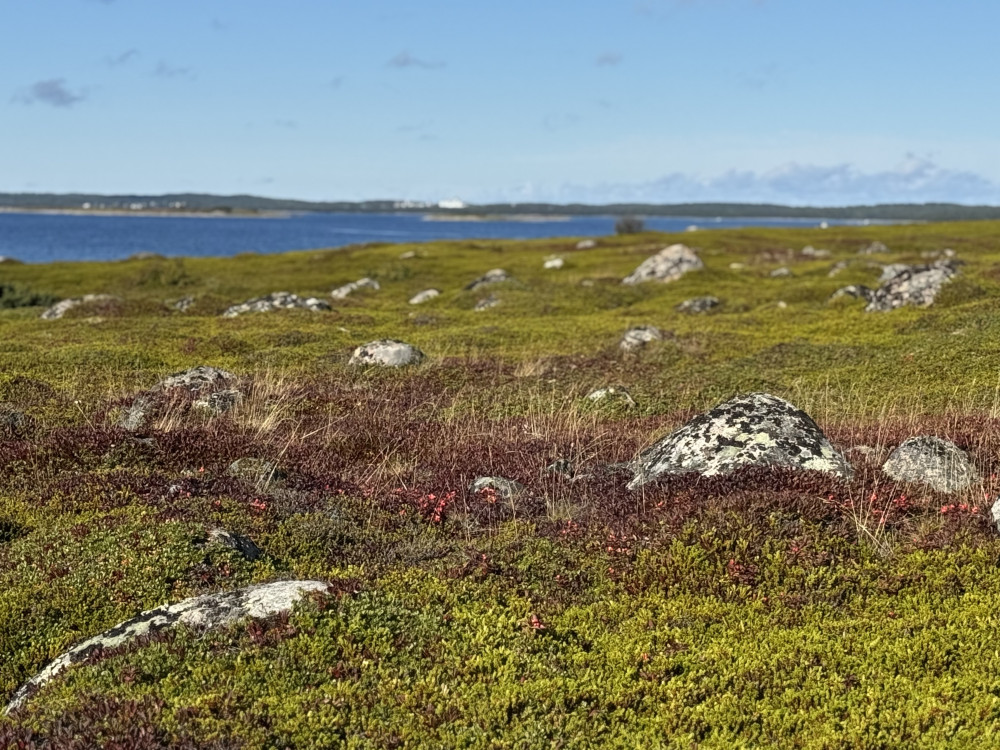
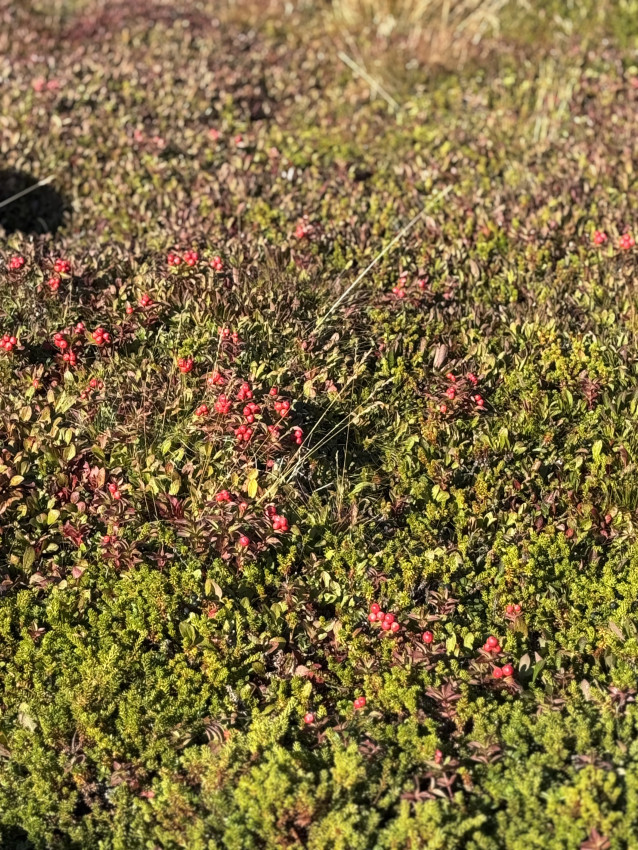
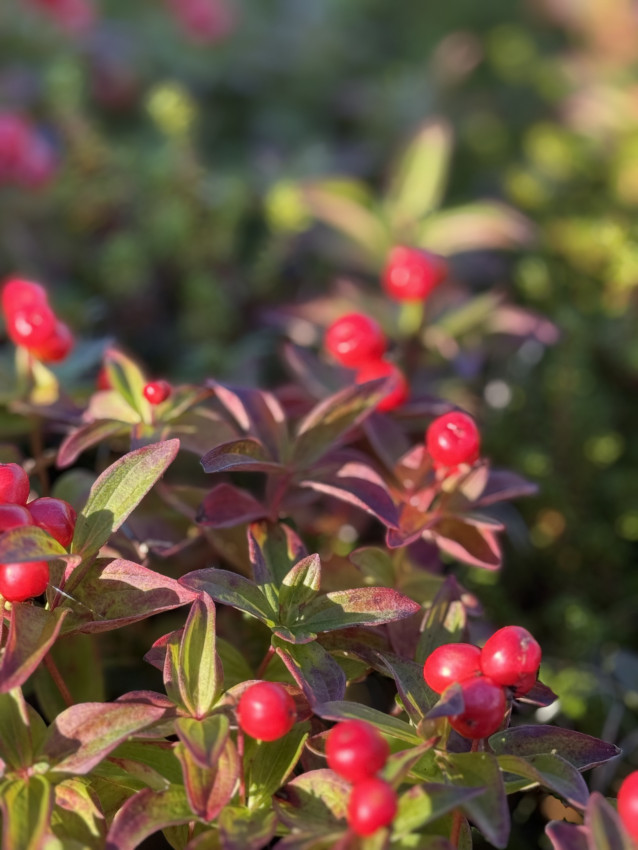
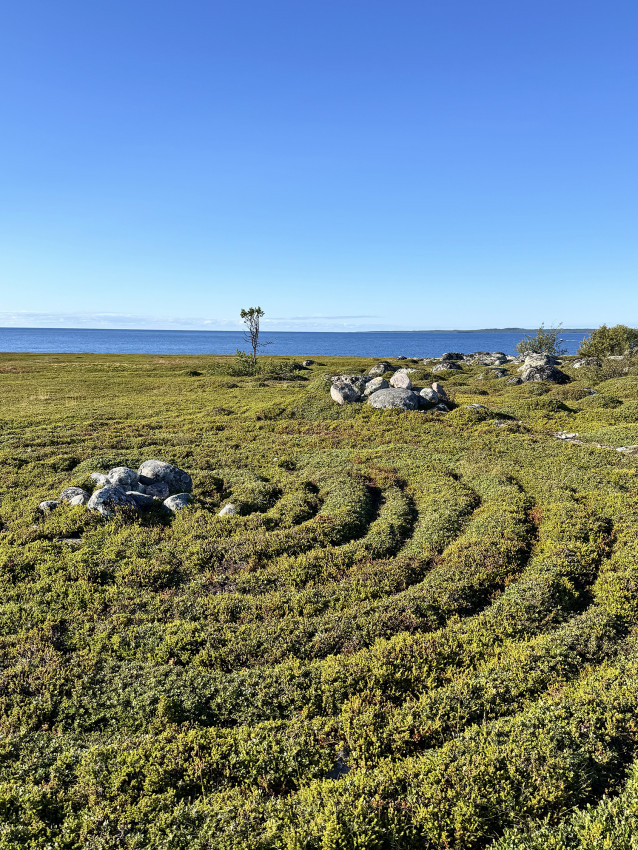
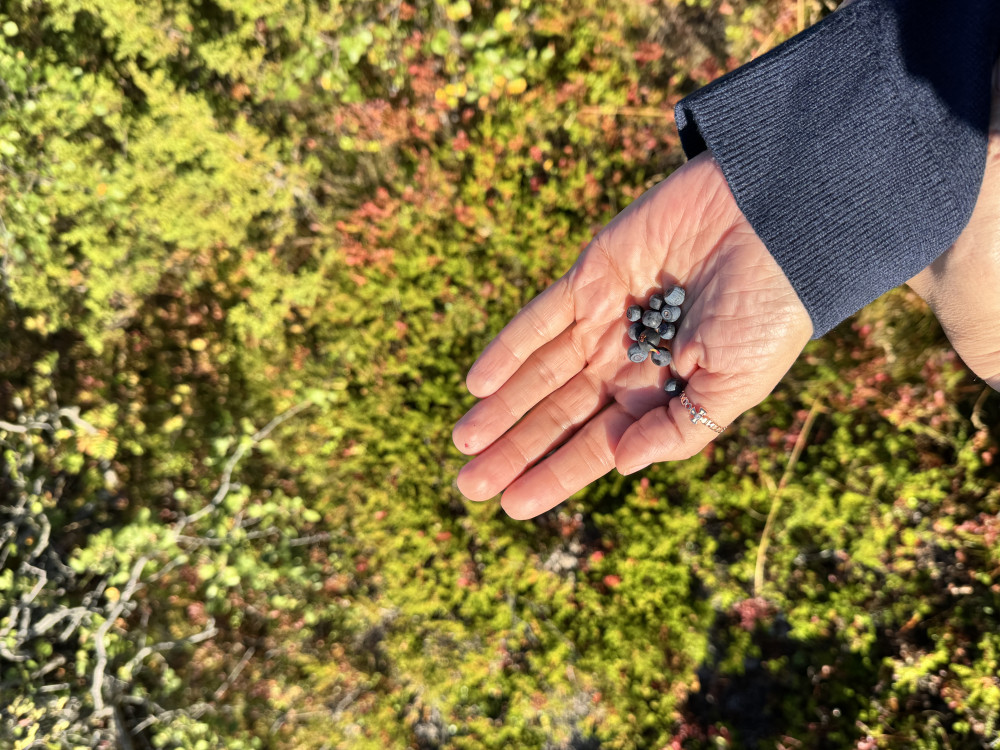
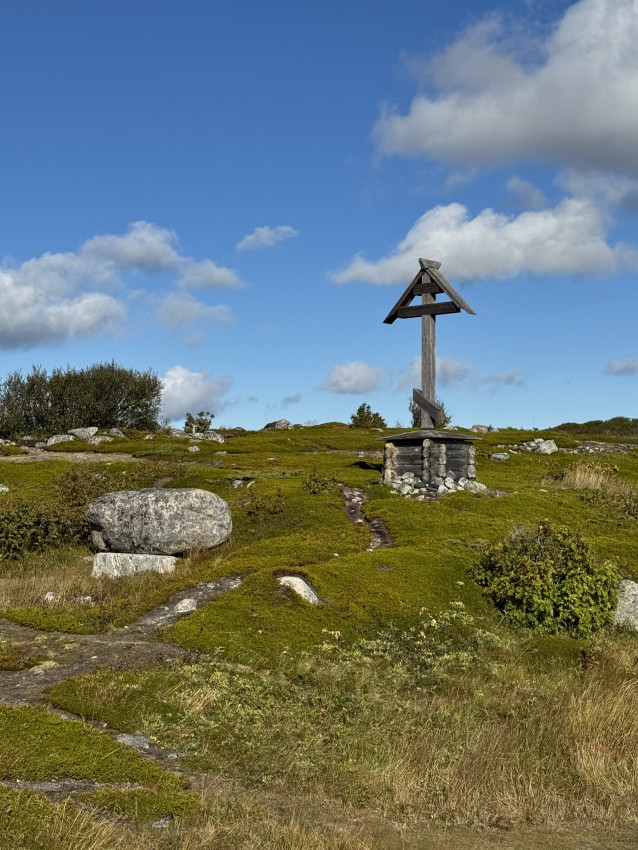
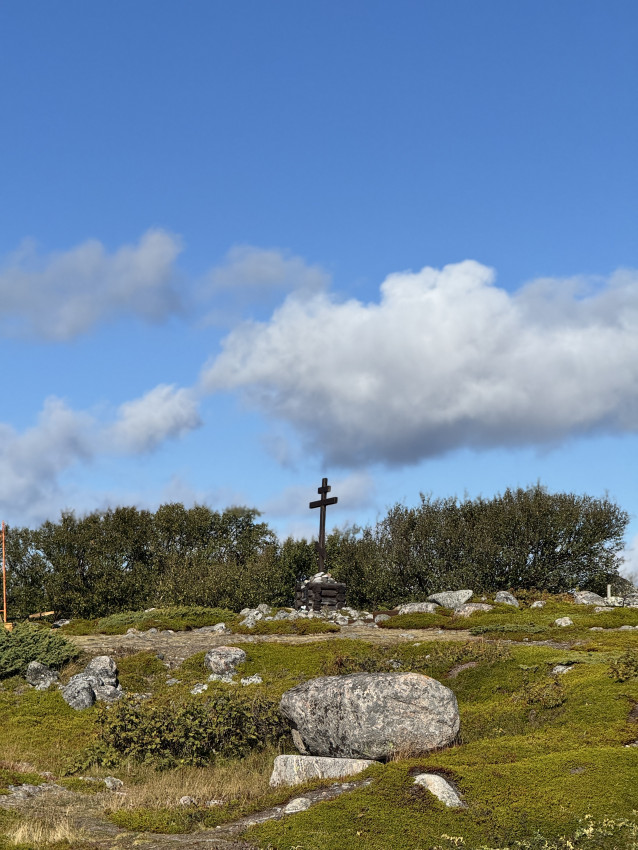
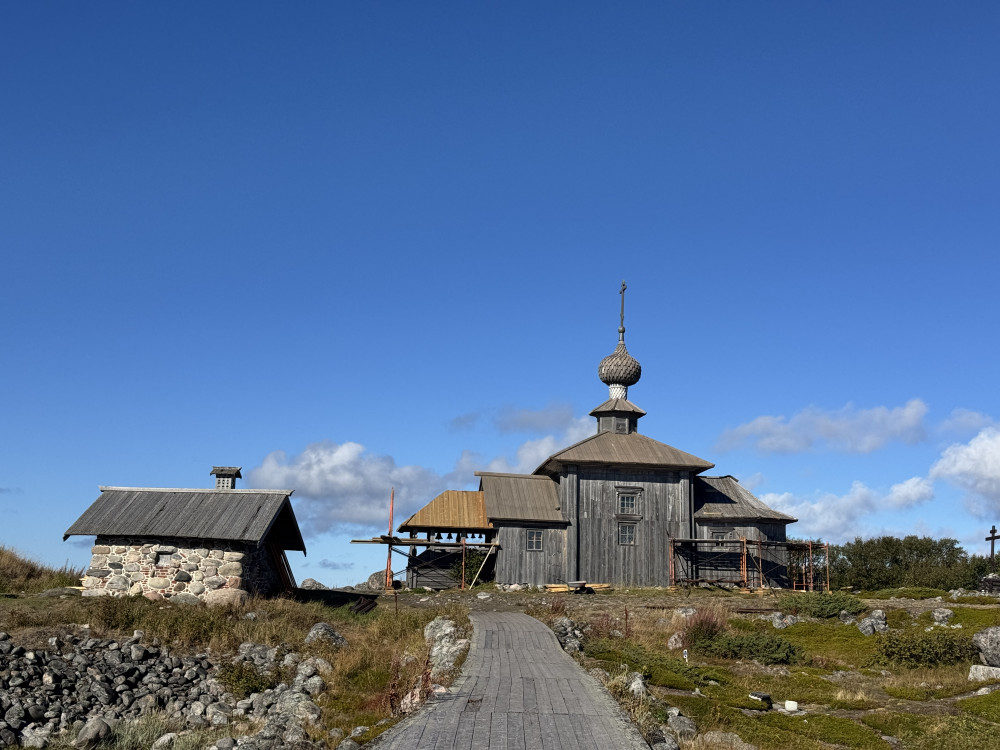
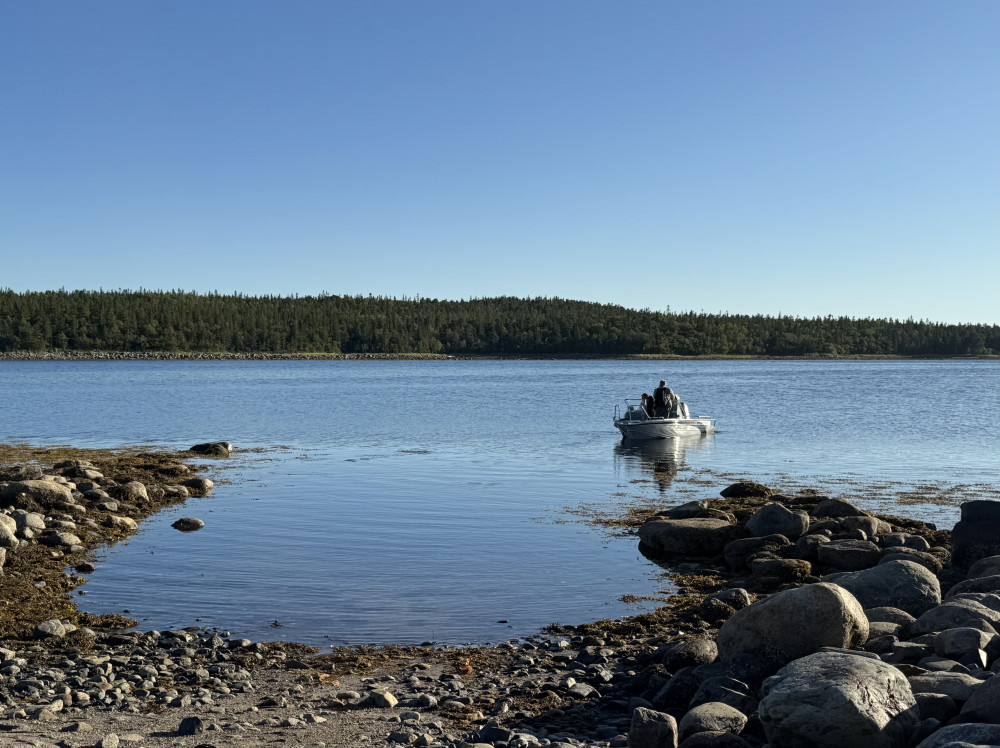
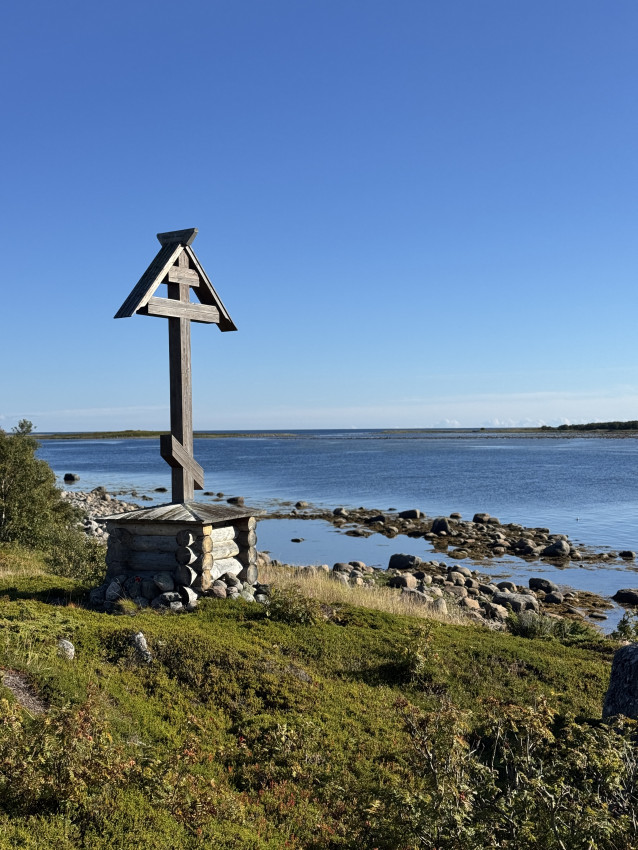
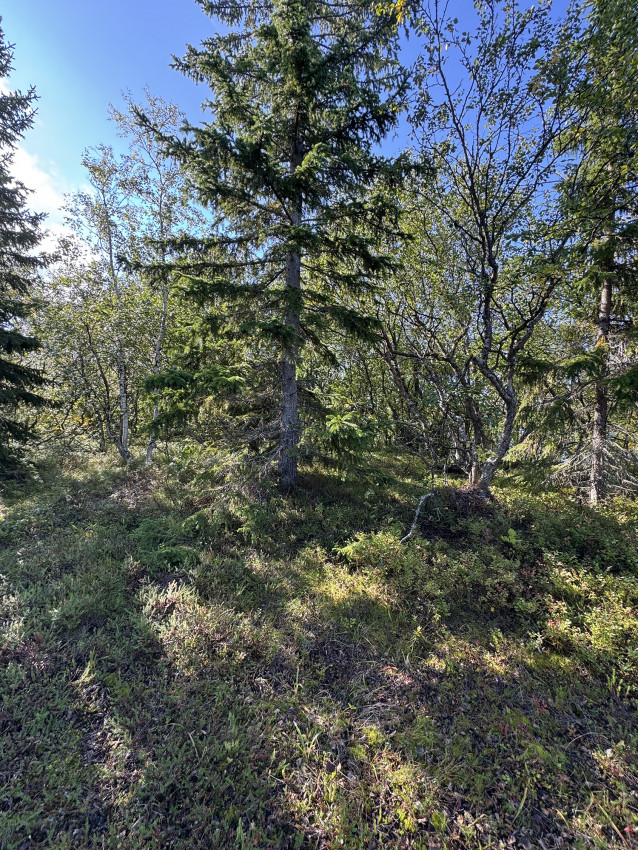
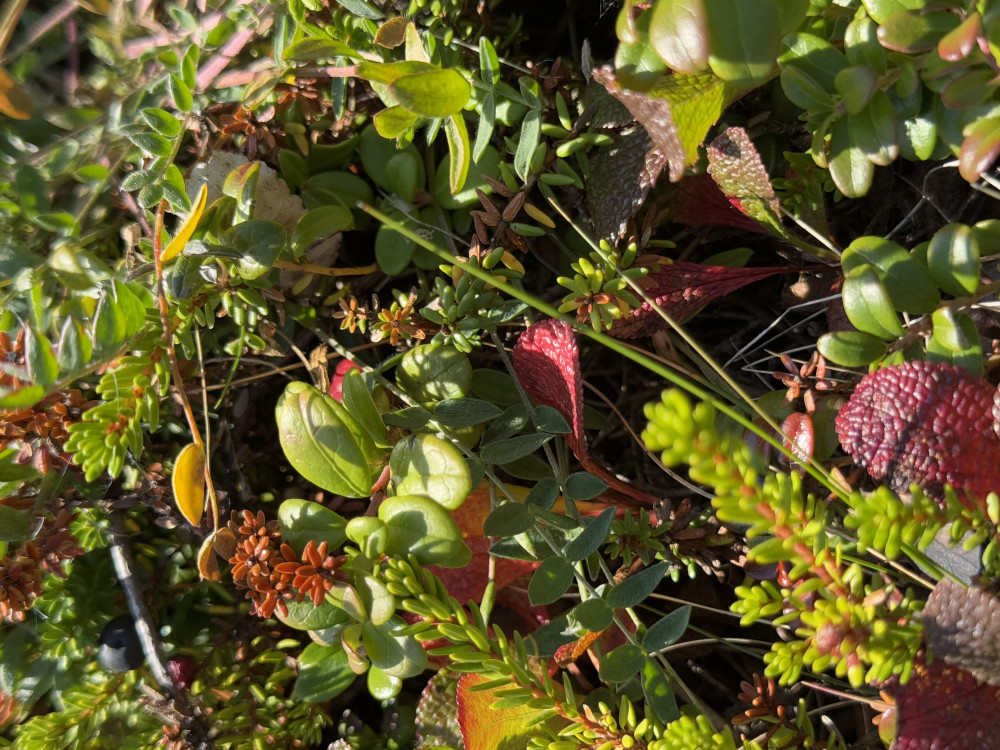
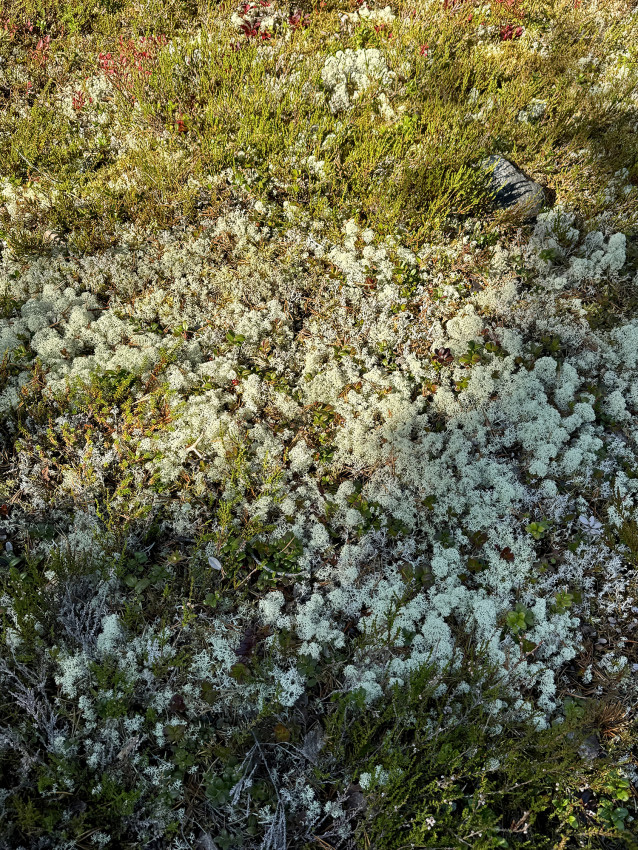
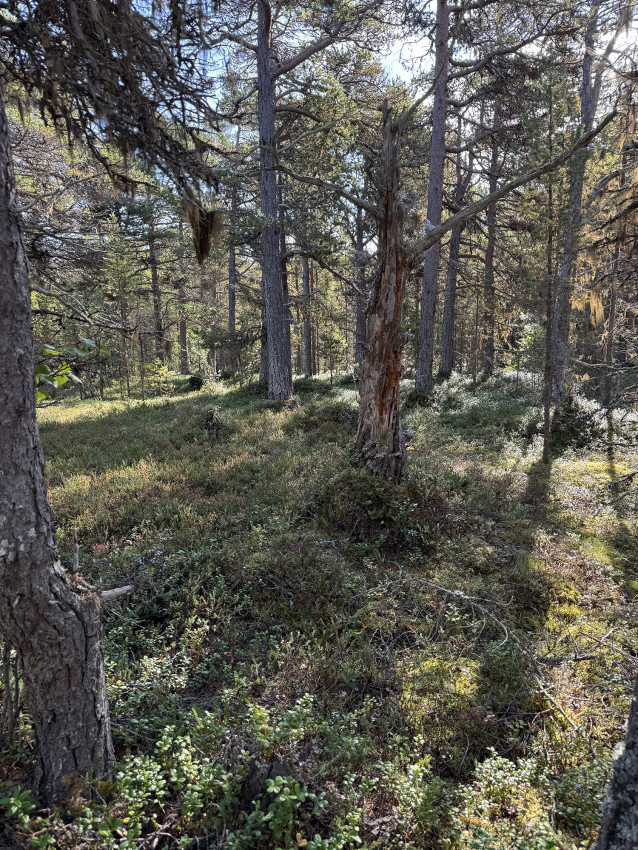
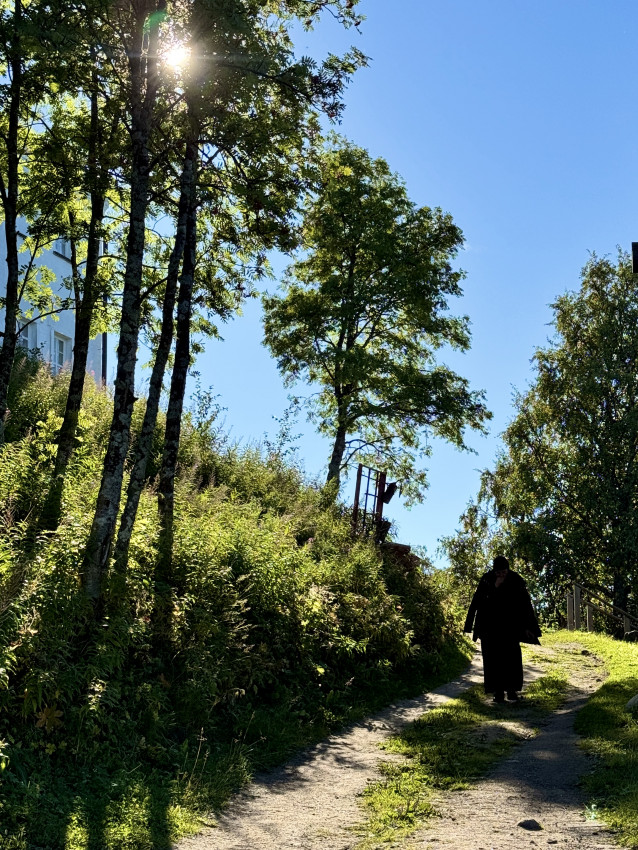
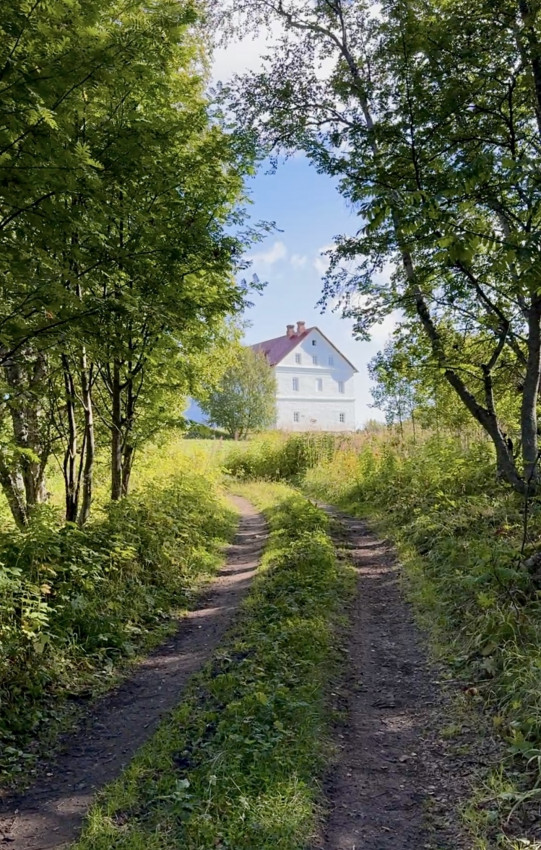
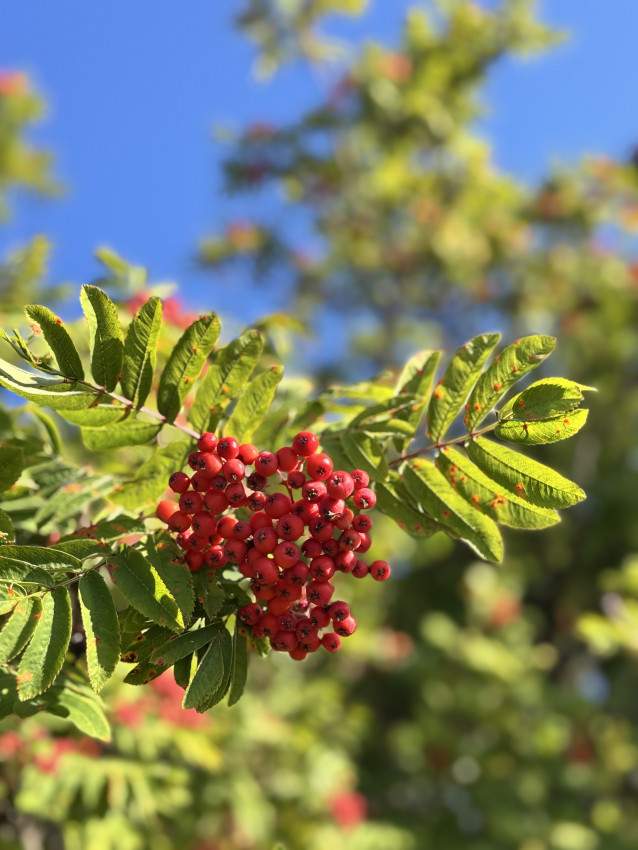
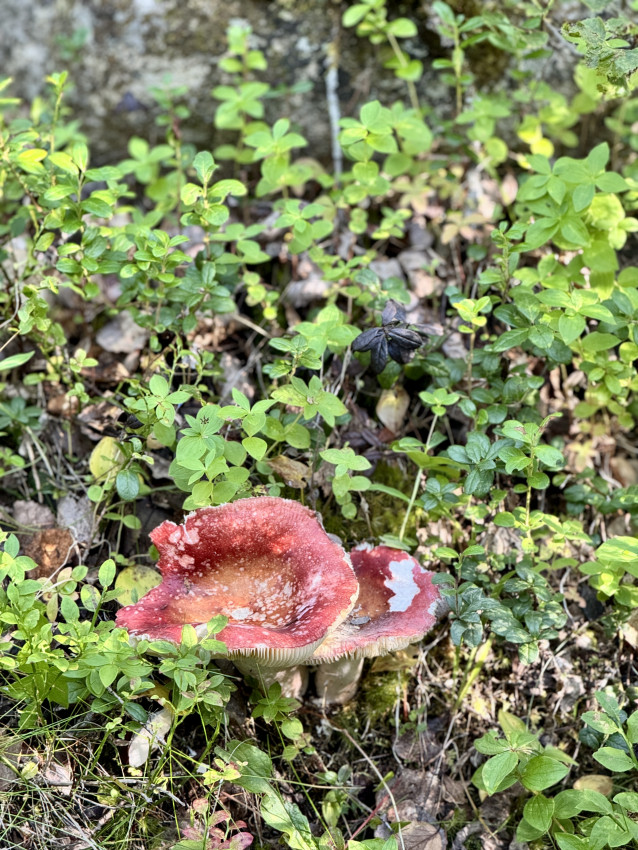
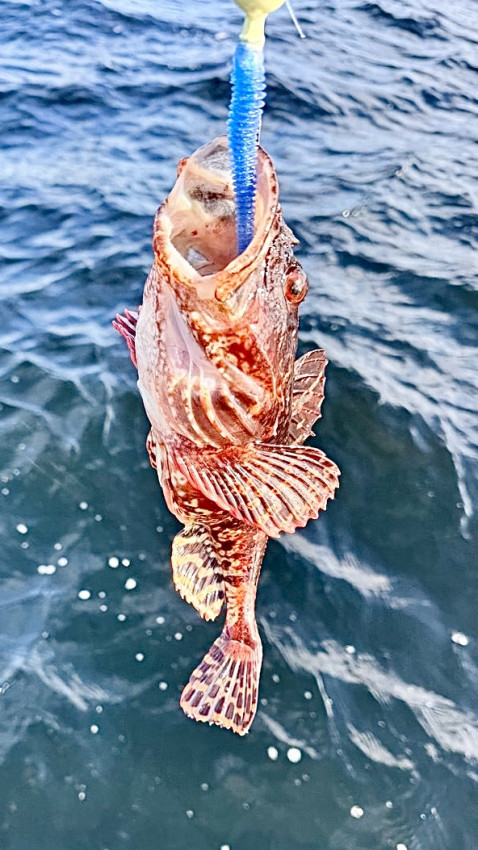
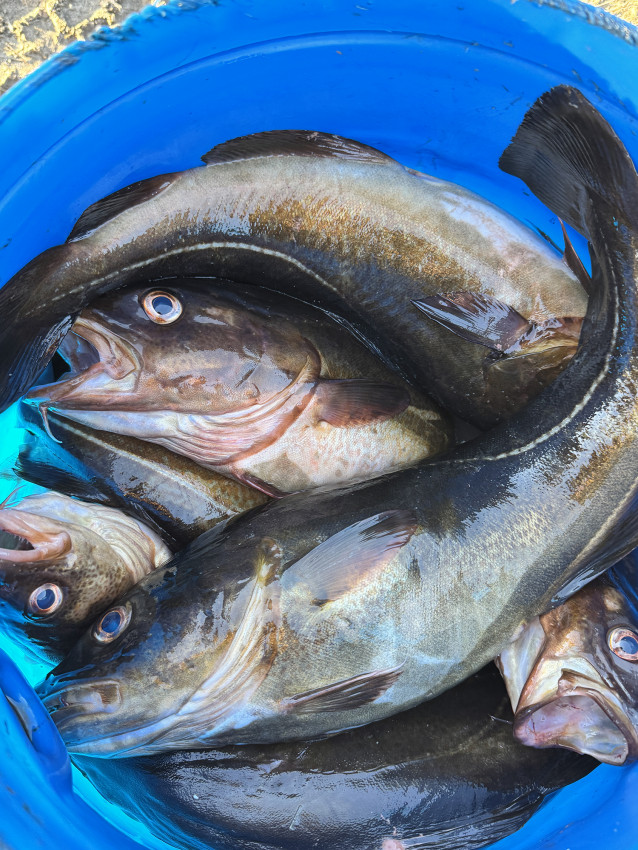
In early September, summer gently retreats from the Solovki archipelago—a place of prayer but also of breathtaking natural beauty. Rising in midst of the northern White Sea, the island chain has its own special climate. Although Solovki is located roughly 170–180 kilometers (about 105–110 miles) from the Artic Circle, it is quite livable—abounding in berries and mushrooms, and surrounded by waters teeming with fish. And the over 500 inland lakes of Great Solovetsky Island boast such piscean wealth as whitefish, trout, perch, pike, roach, ruffe, and others. Cod is king of the White Sea, but if you’re lucky you can spot the playful beluga whales arching over the waves, as if waving goodbye to their summer island home as they dash on to deeper waters.
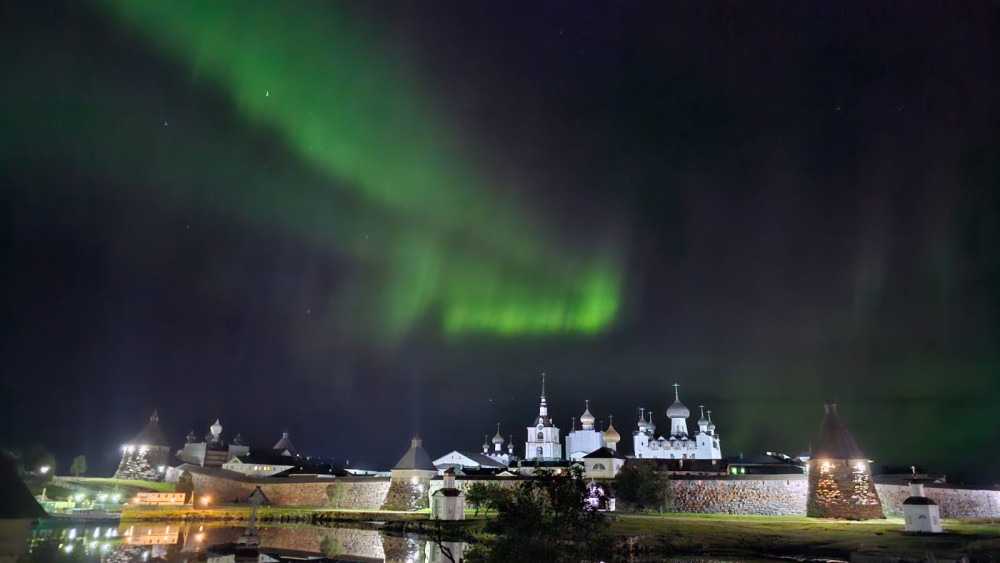
And as the long days swiftly turn to night, the aurora borealis can finally be seen veiling the skies, ever unfolding its unearthly beauty in anticipation of the feast of the Protection.
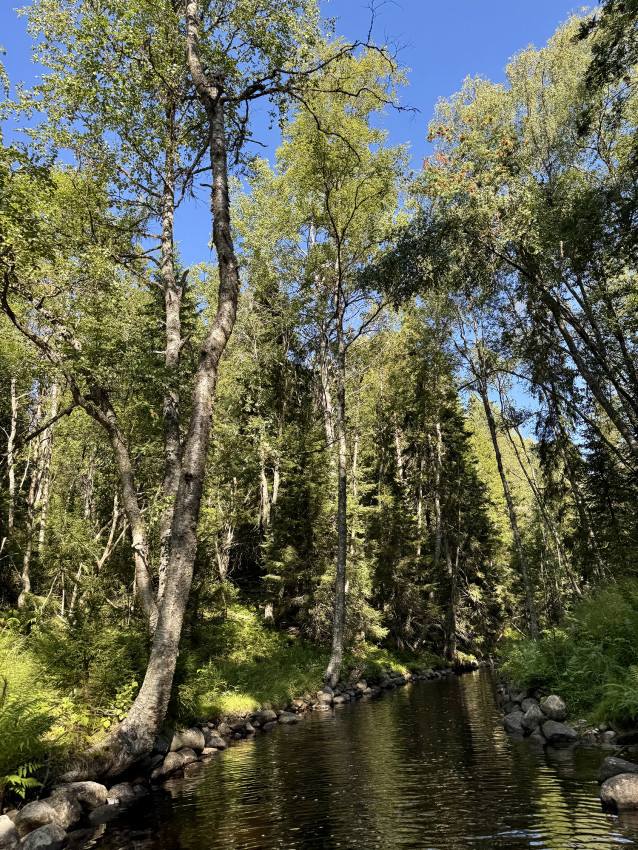
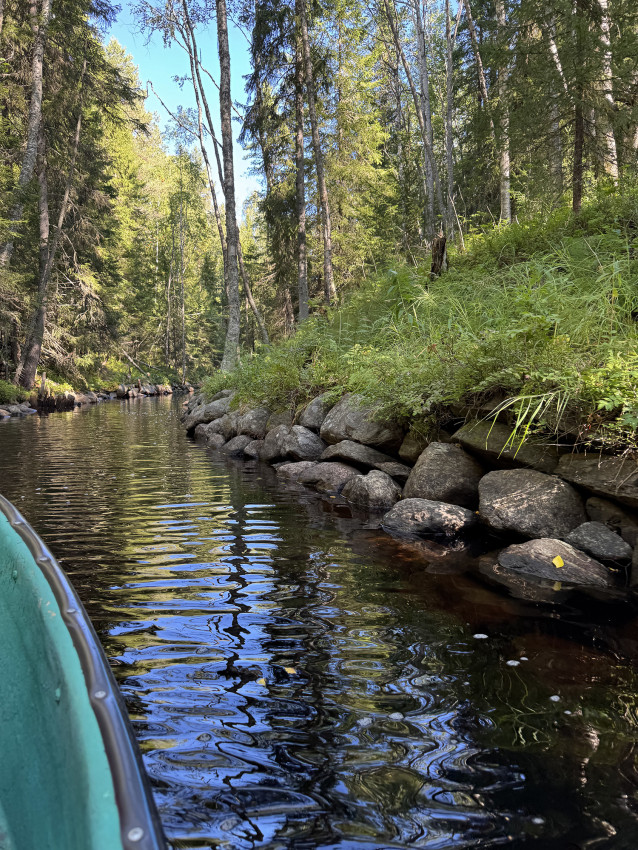
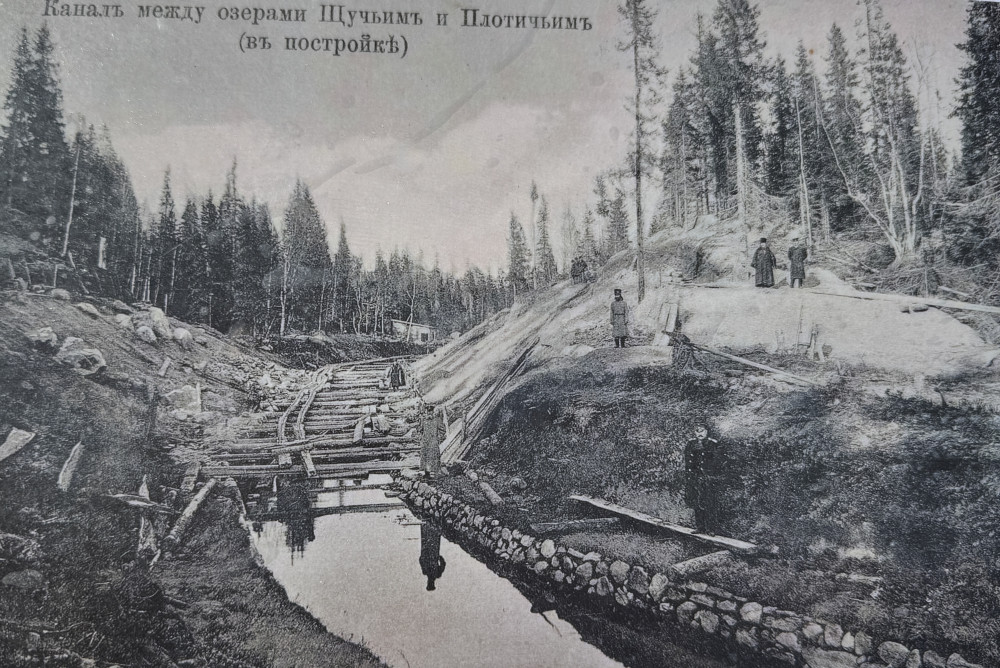
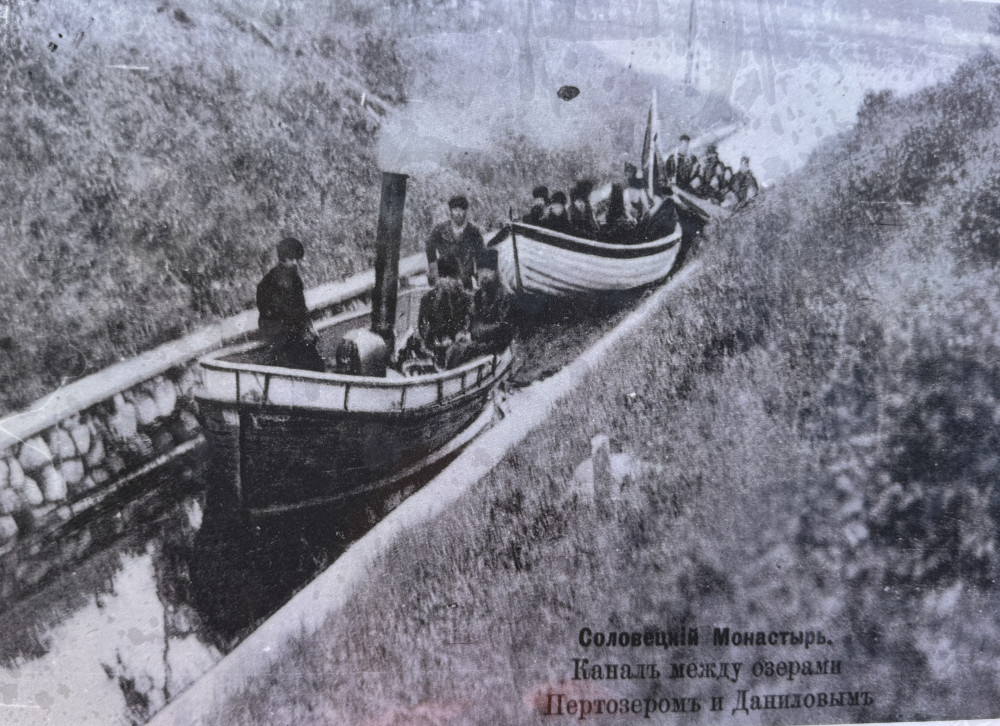
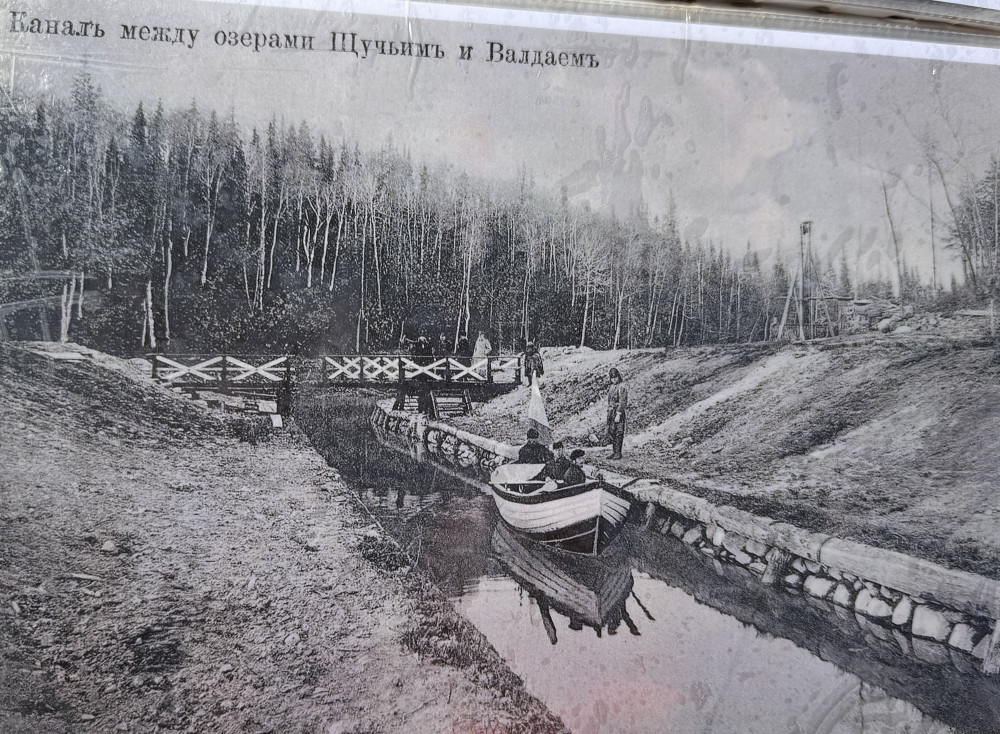
Within Great Solovki Island is the Solovki Canal System—a network of canals linking the island’s lakes. It is one of the most remarkable examples of early Russian hydraulic engineering, entirely built by monks and lay brethren of the Solovetsky Monastery.
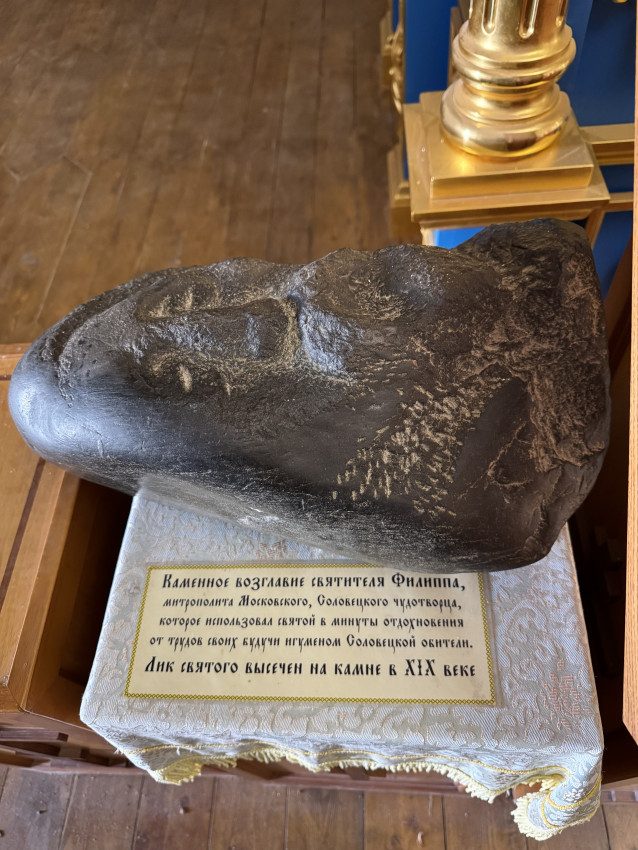
Begun in the sixteenth century under the amazing abbot St. Phillip, it was completed in the eighteenth century. The canals were built to move goods between the many monastery sketes and workshops, regulate water level, supply fresh water, and to breed fish.
The canal system is still functional today, maintaining natural drainage between the lakes and into the White Sea. It’s considered one of the earliest examples of monastic hydraulic architecture in northern Europe. UNESCO includes it in the Solovetsky Monastery World Heritage Site description as an example of medieval water engineering and landscape design.
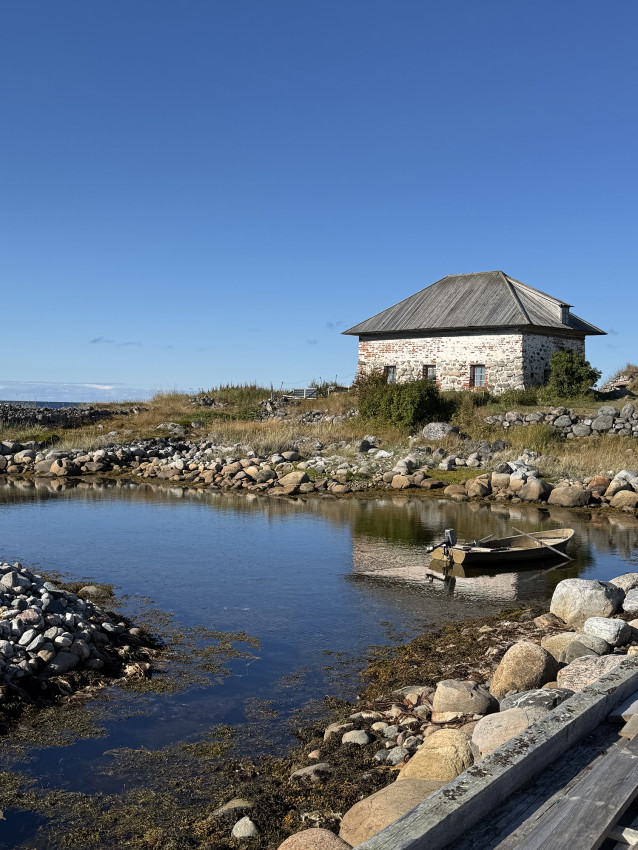
Zayatsky island was one of the first islands that pilgrims would meet on their way across the bay to Solovki, and therefore it used to serve a guest island for women pilgrims. During the Gulag period, it housed a penal camp for women.
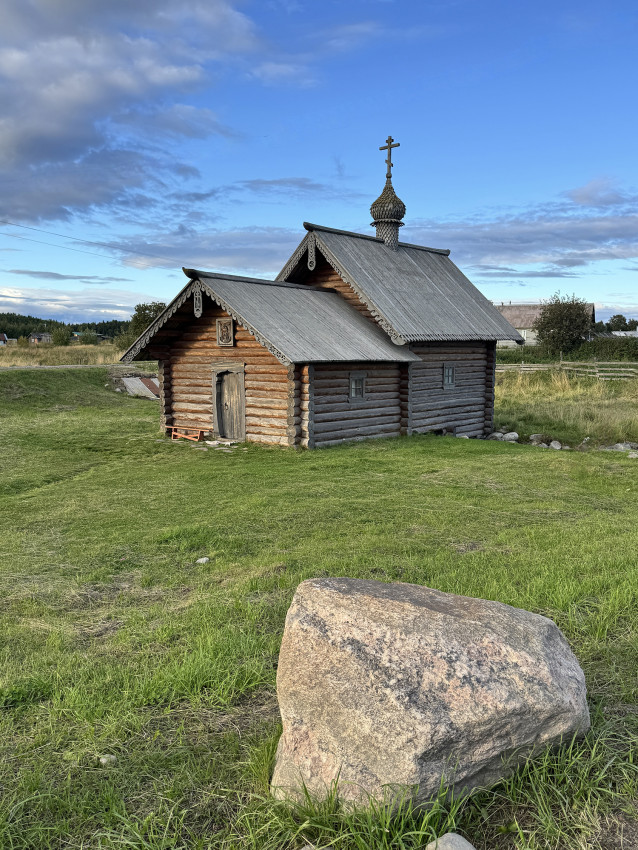
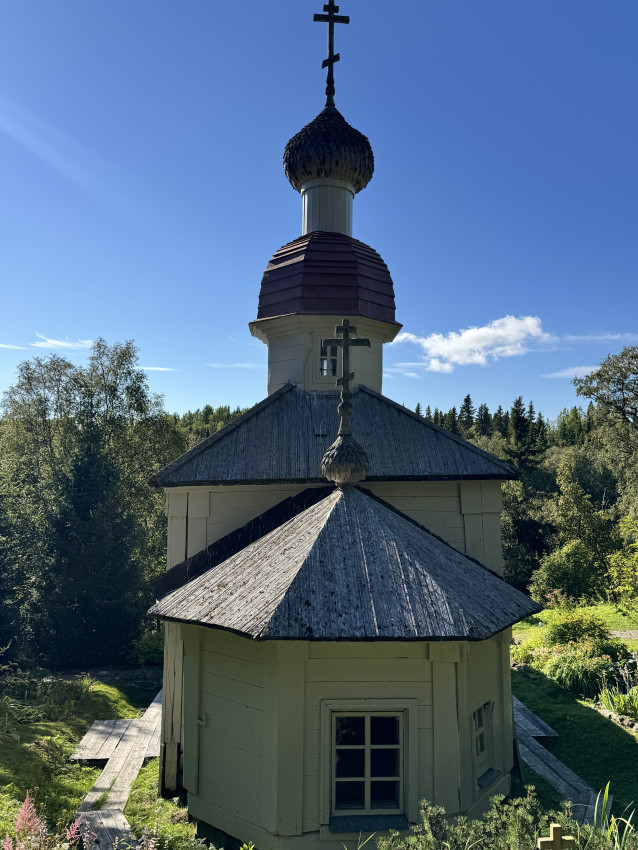
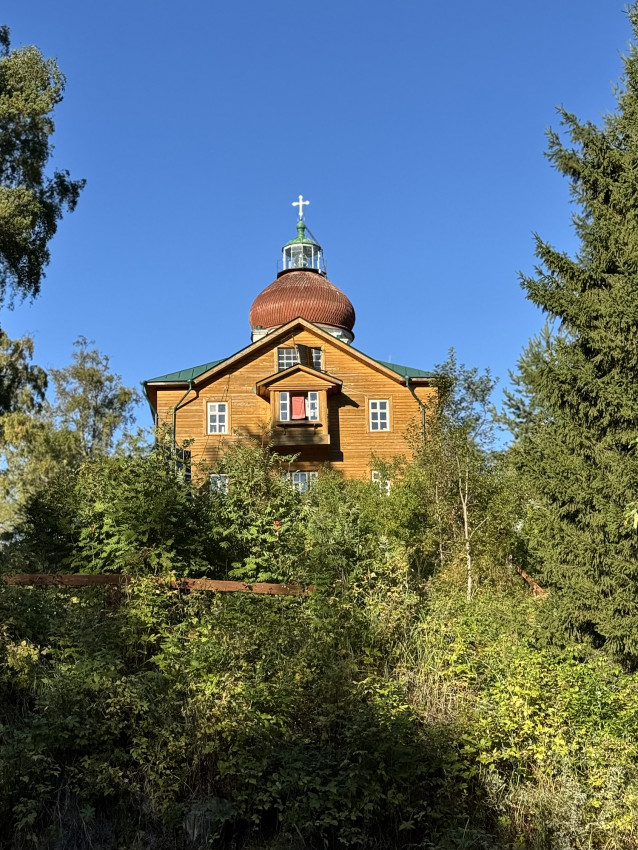
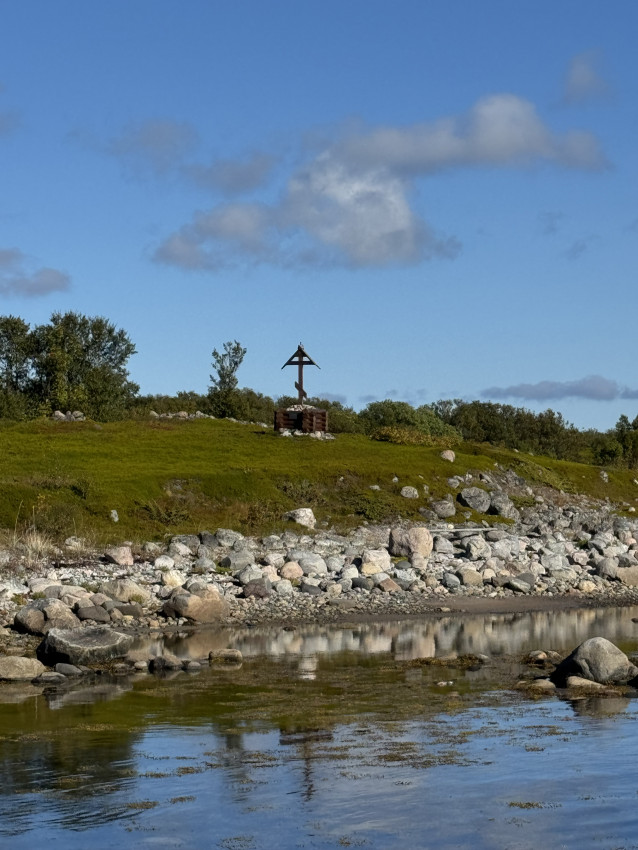
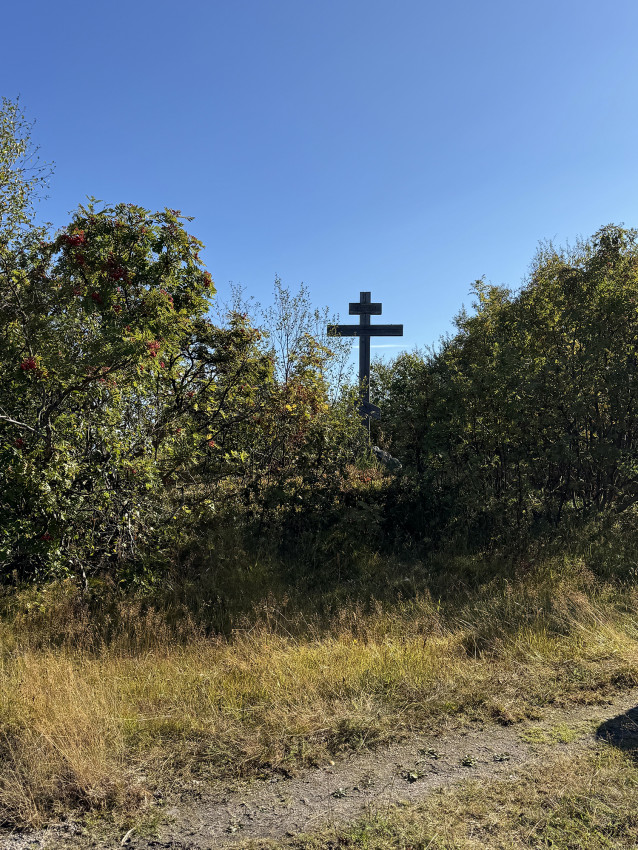
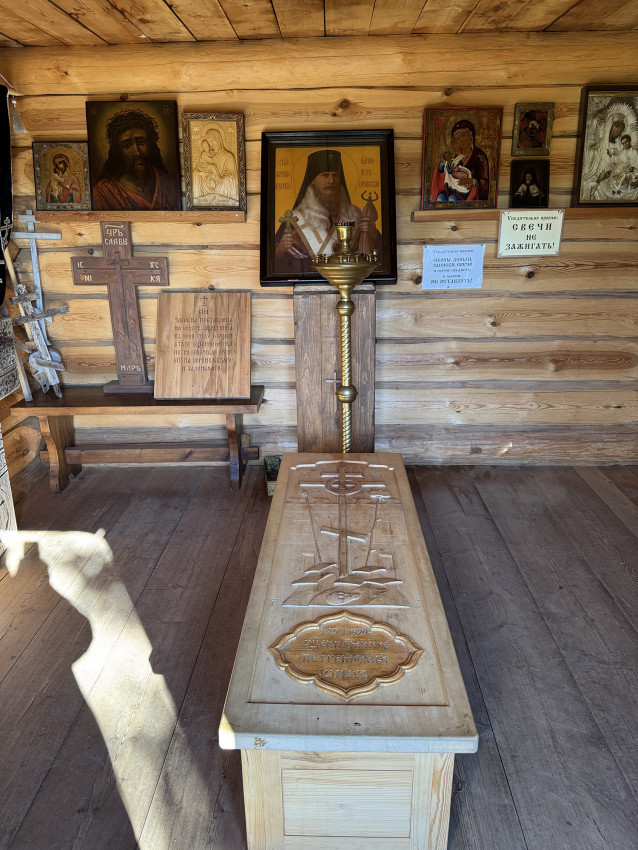
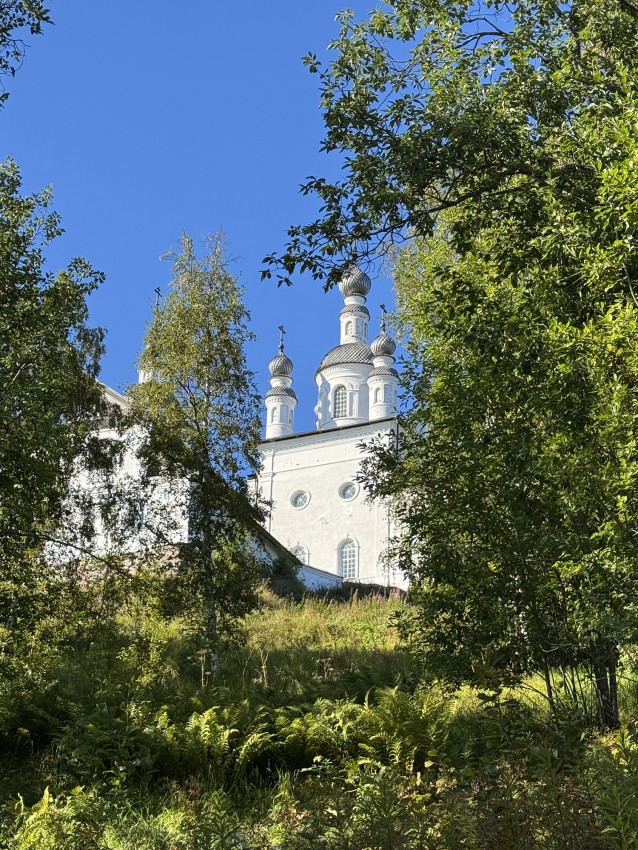
Anzer Island is home to a Solovki skete with one of the strictest rules—the Golgotha-Crucifixion Skete, which was founded by St. Eleazar of Anzer. The skete is alive today, the monks there still observing a strict monastic rule.
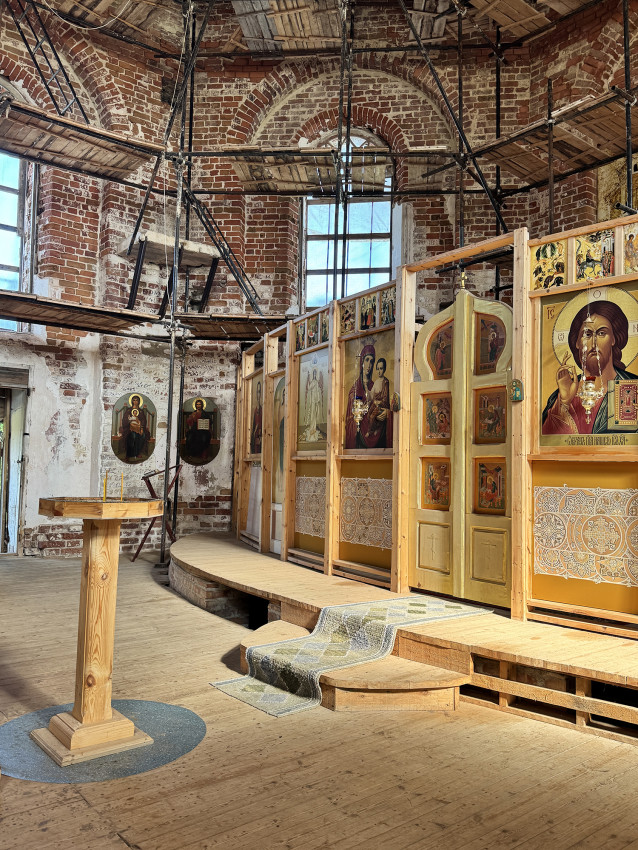
And where there is the Crucifixion there is also the Resurrection—on Anzer is also a church dedicated to the Resurrection of the Lord, and the Holy Trinity Skete, currently under renovation.
During the Gulag period, Anzer Island was a penal camp for prisoners, very many of whom were clergymen. This was the final earthly home for many prisoners as they died of exhaustion
and illnesses, and common graves cover the island, with painstaking work now being done to discover them.