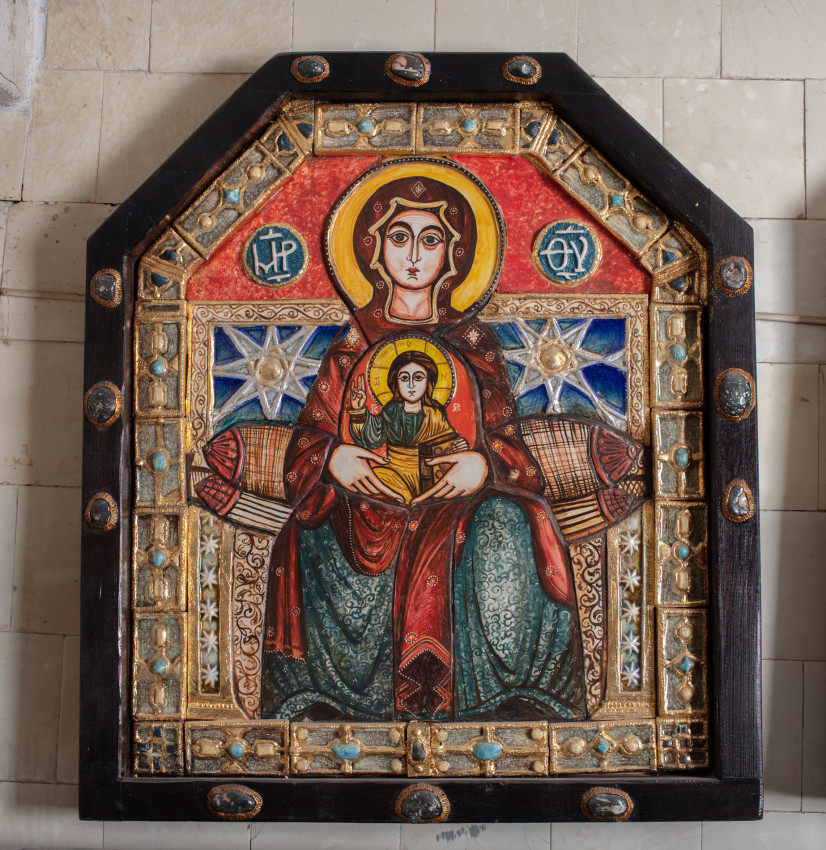
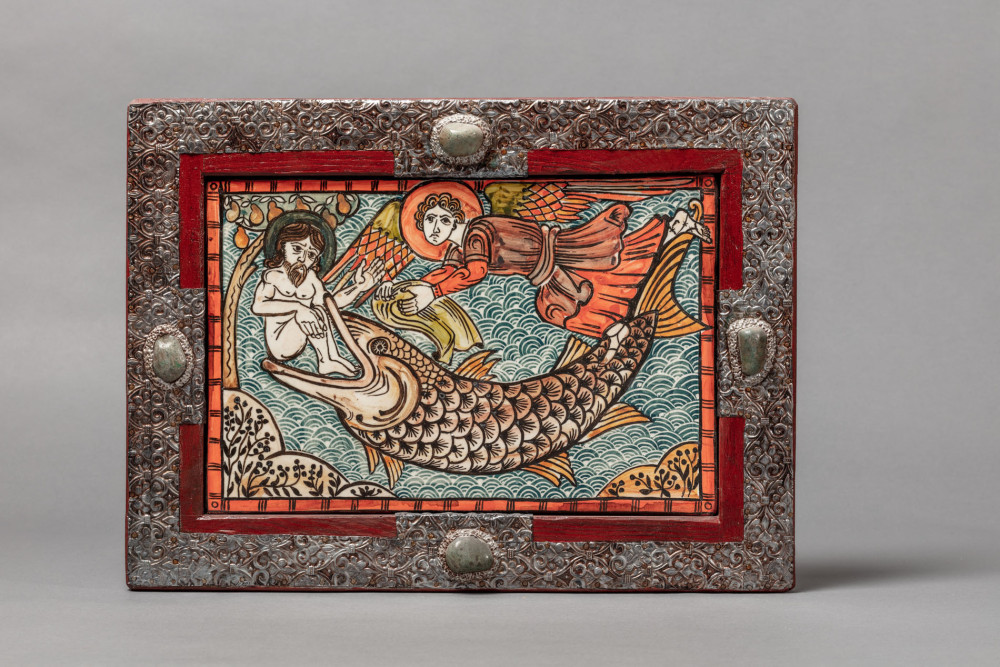
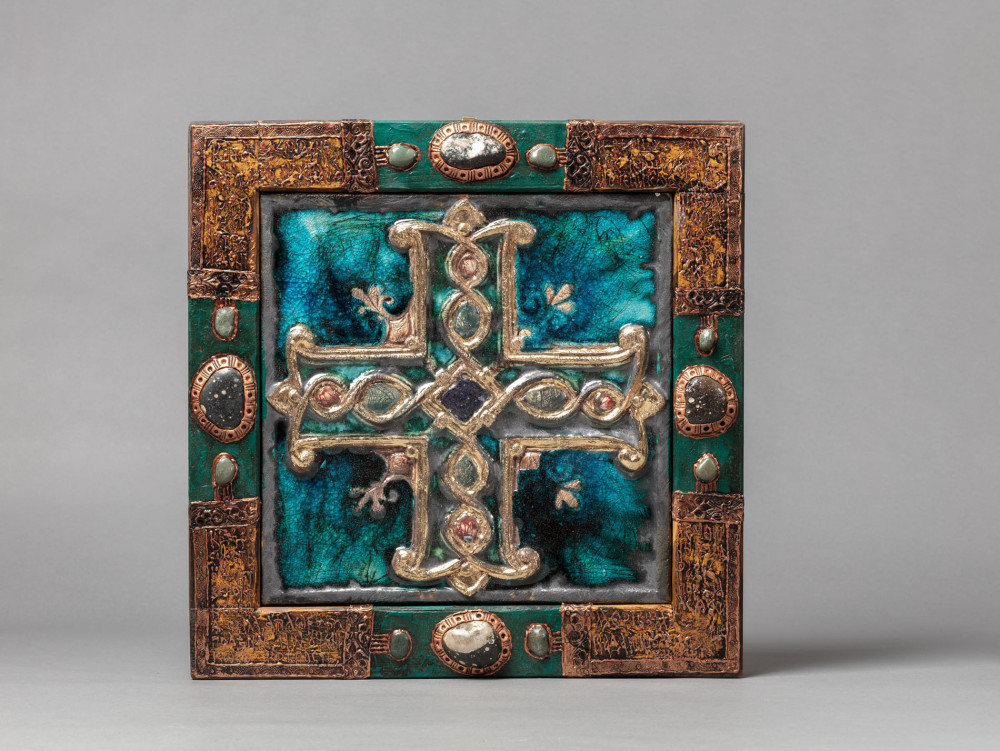
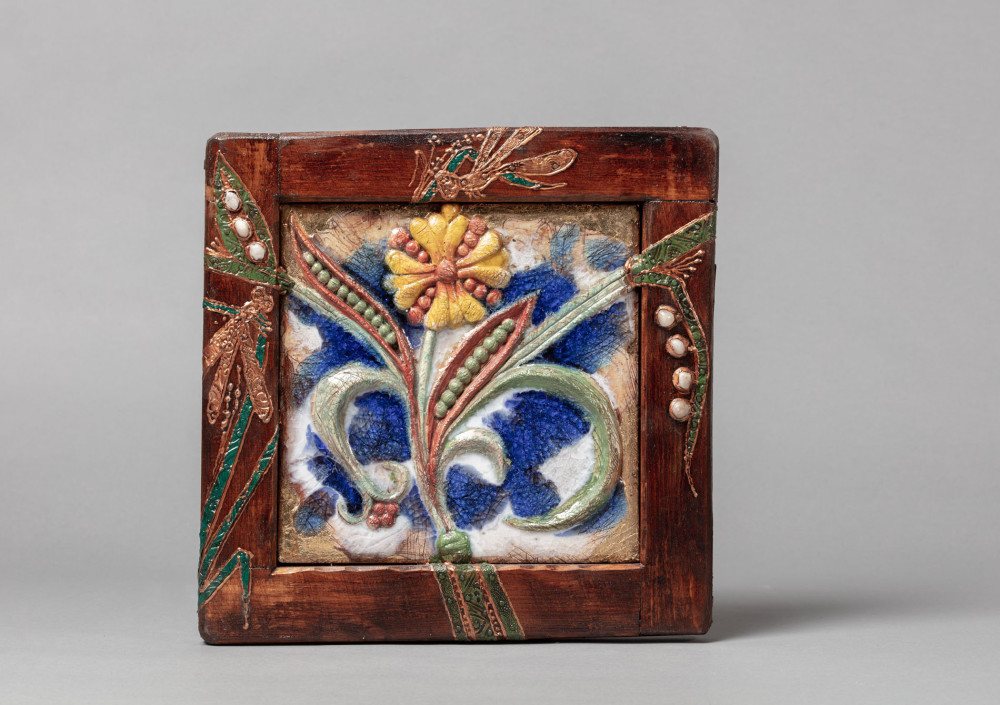
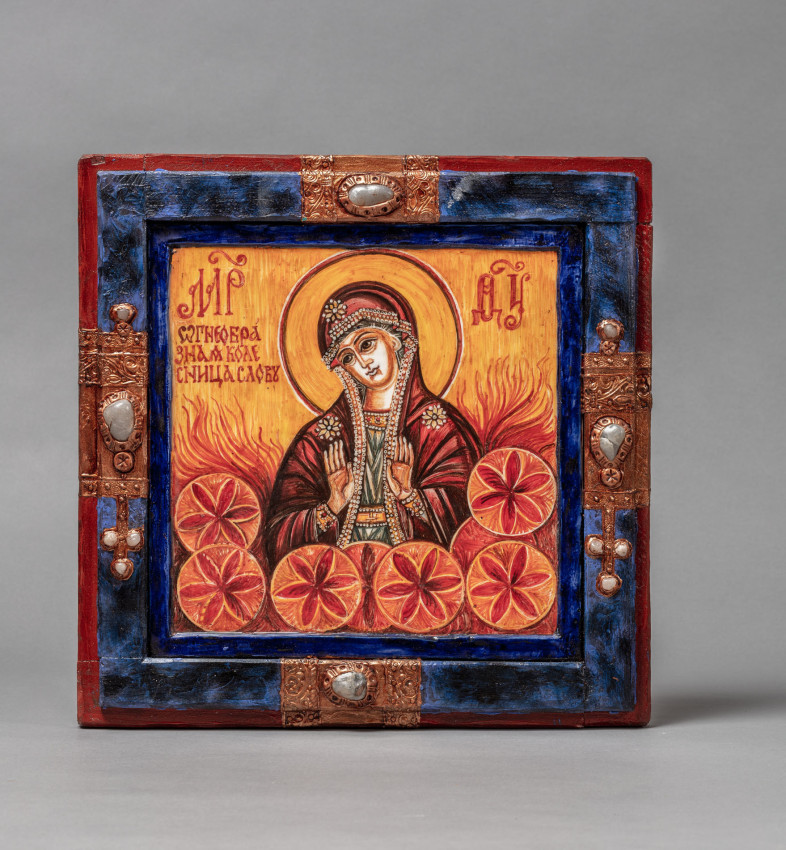
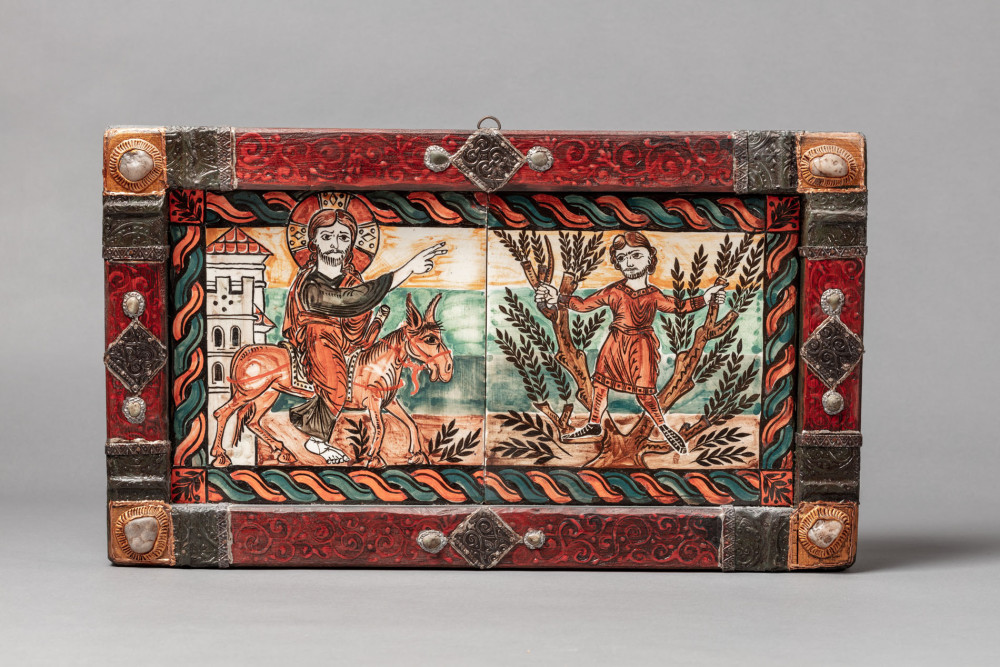
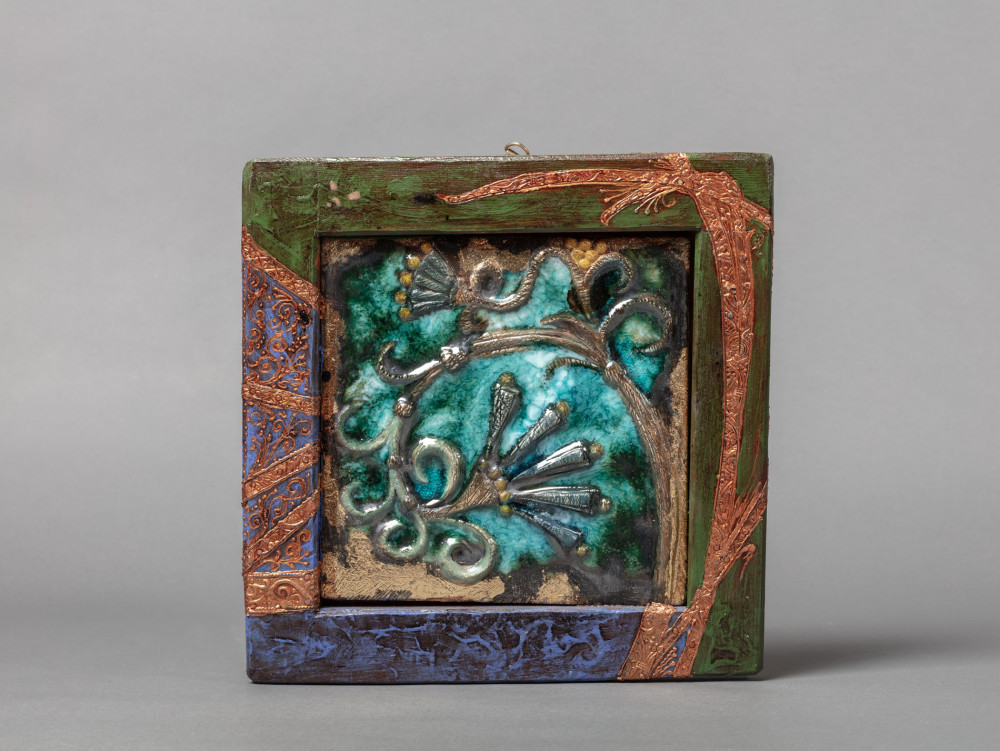
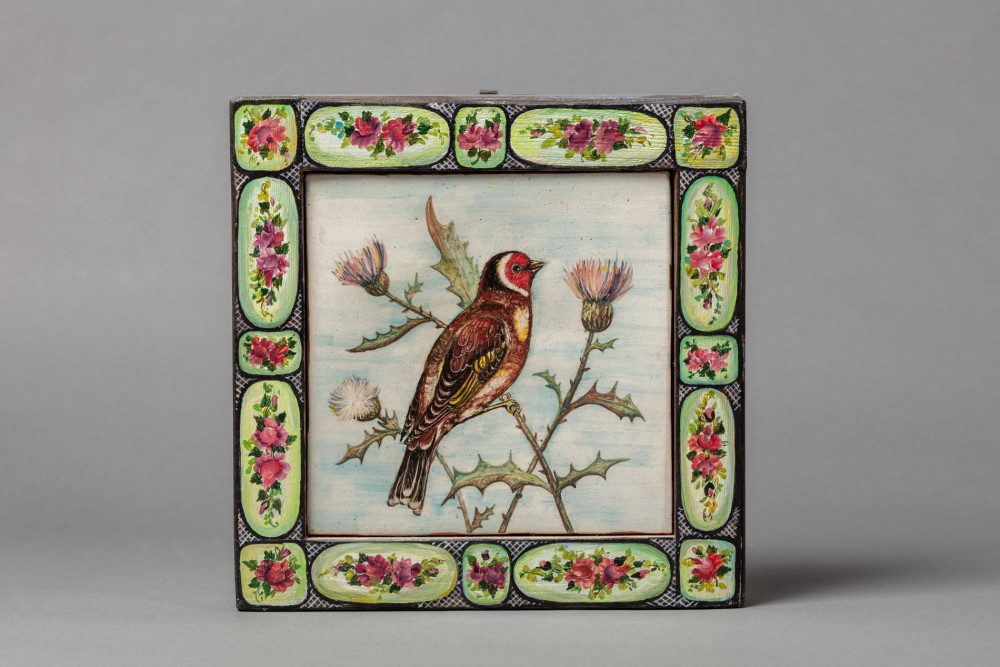
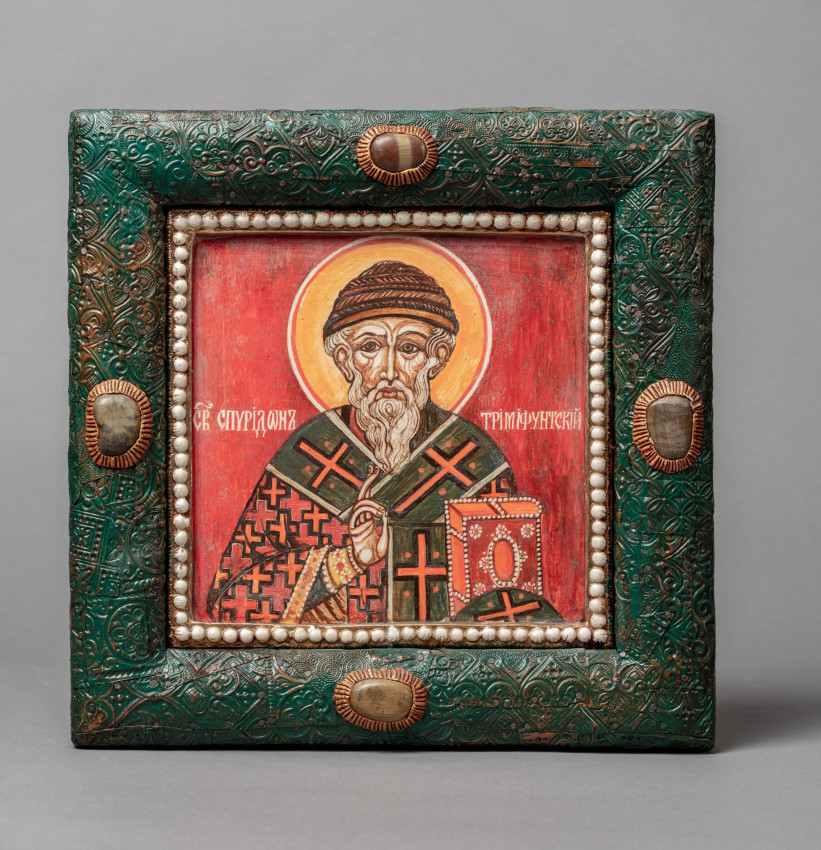
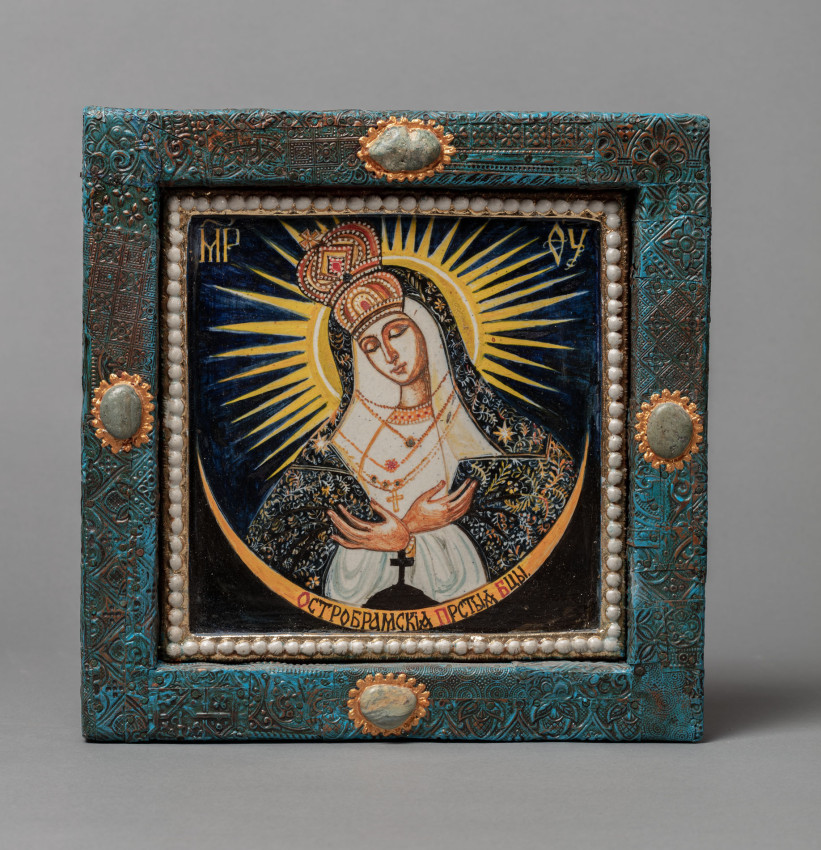
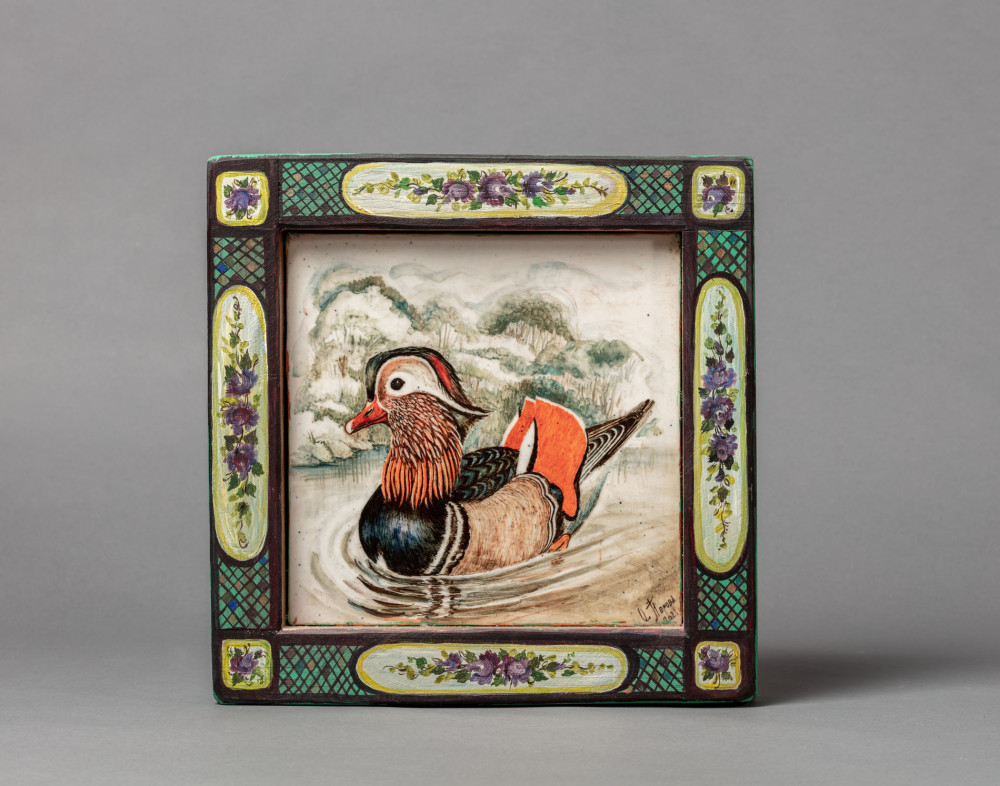
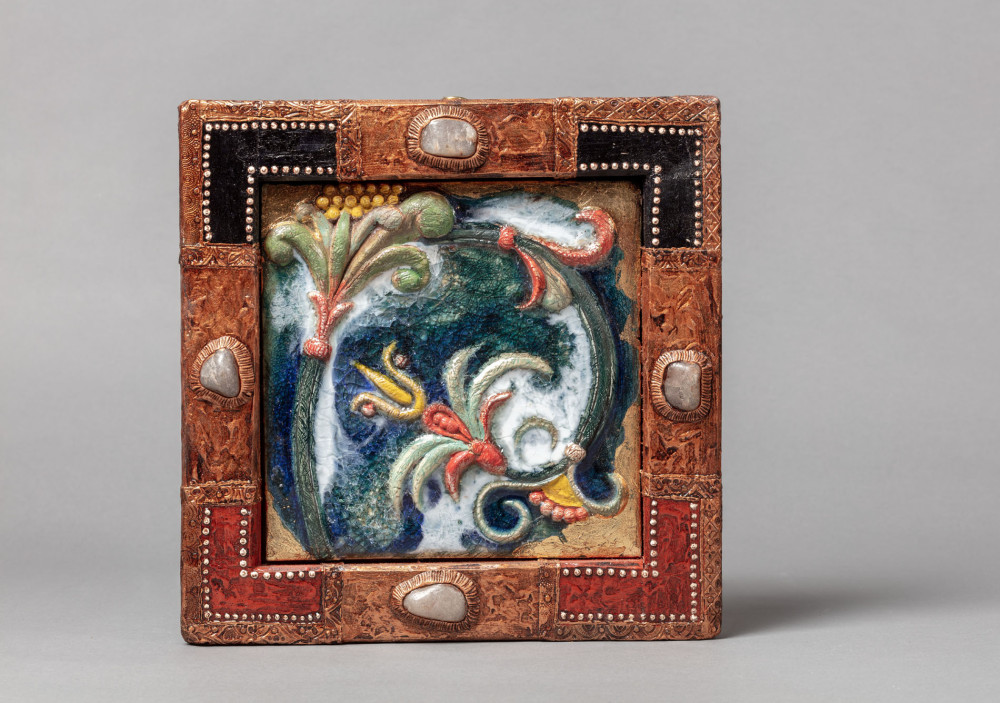
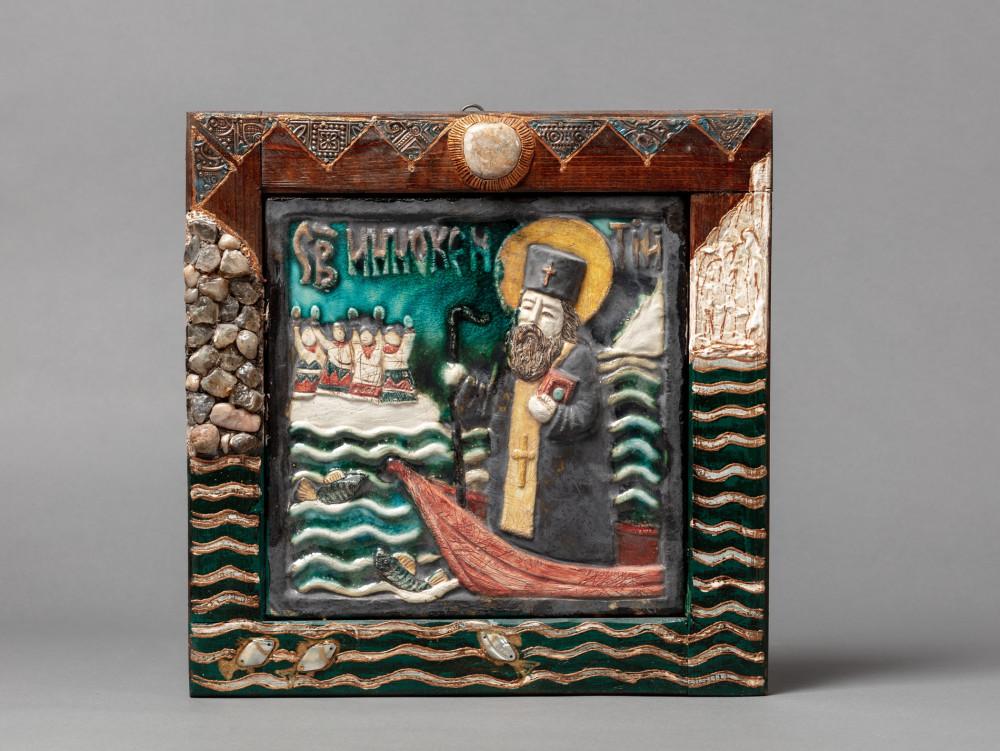
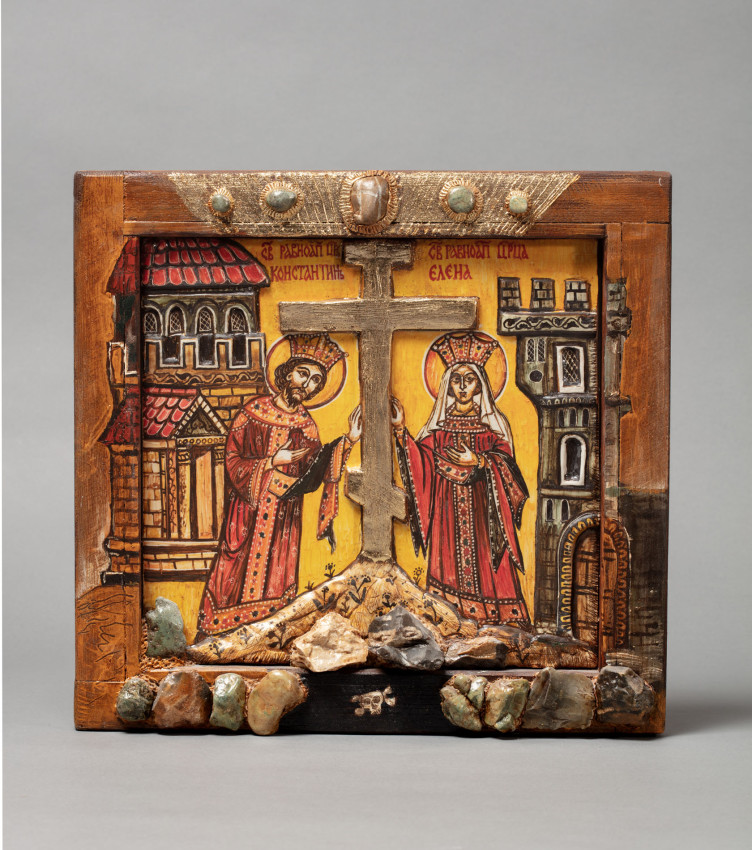
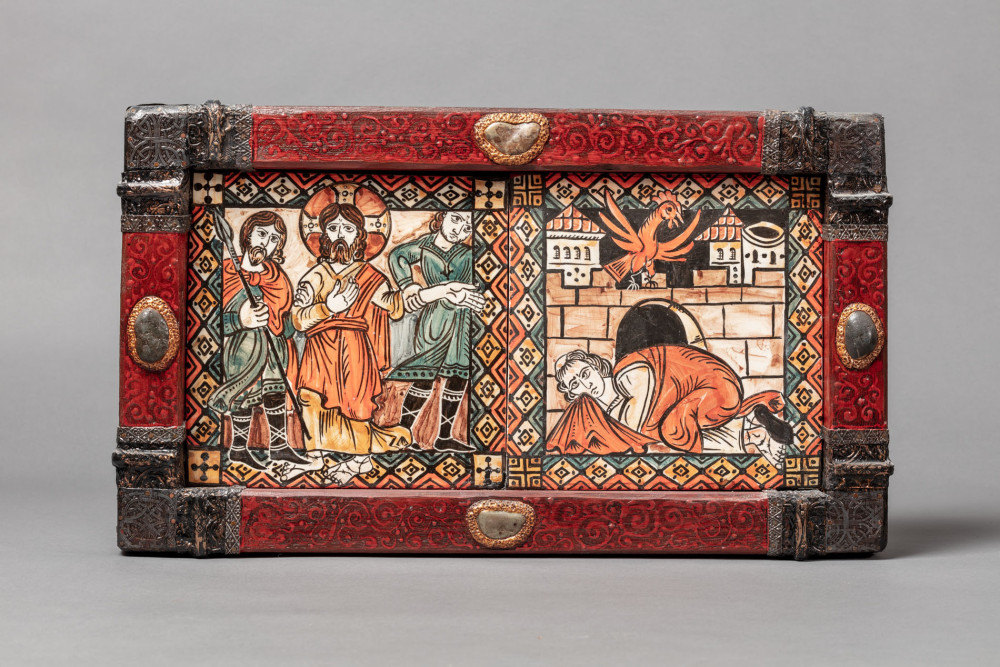
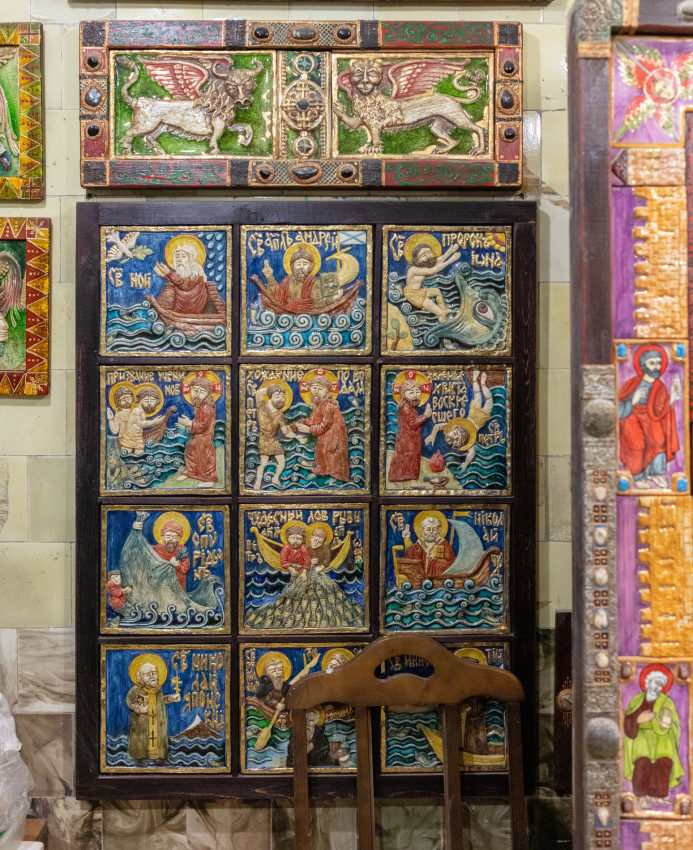
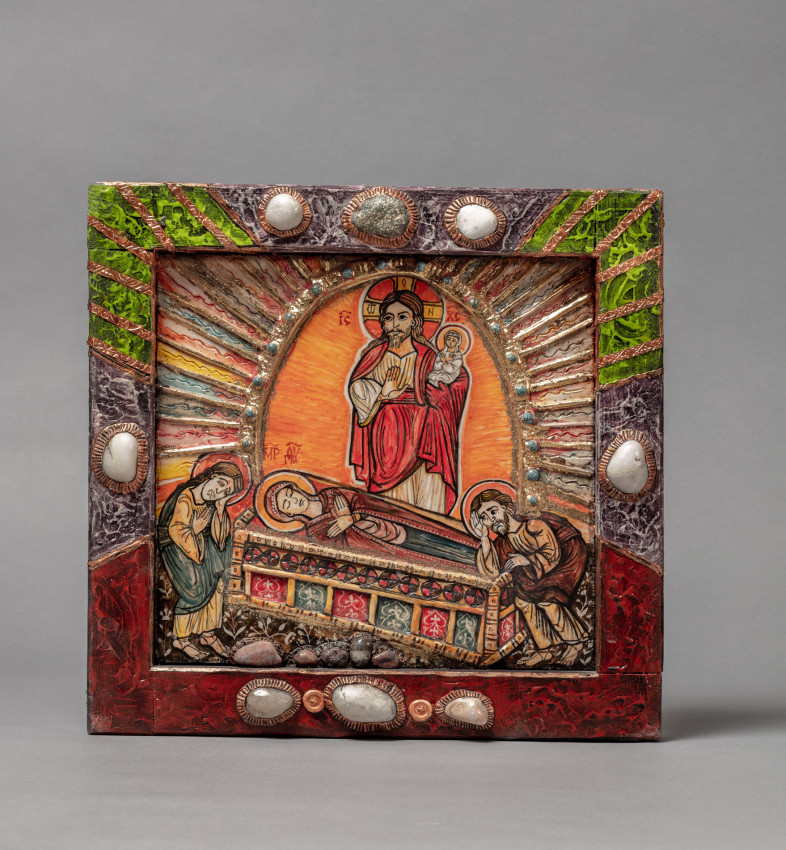
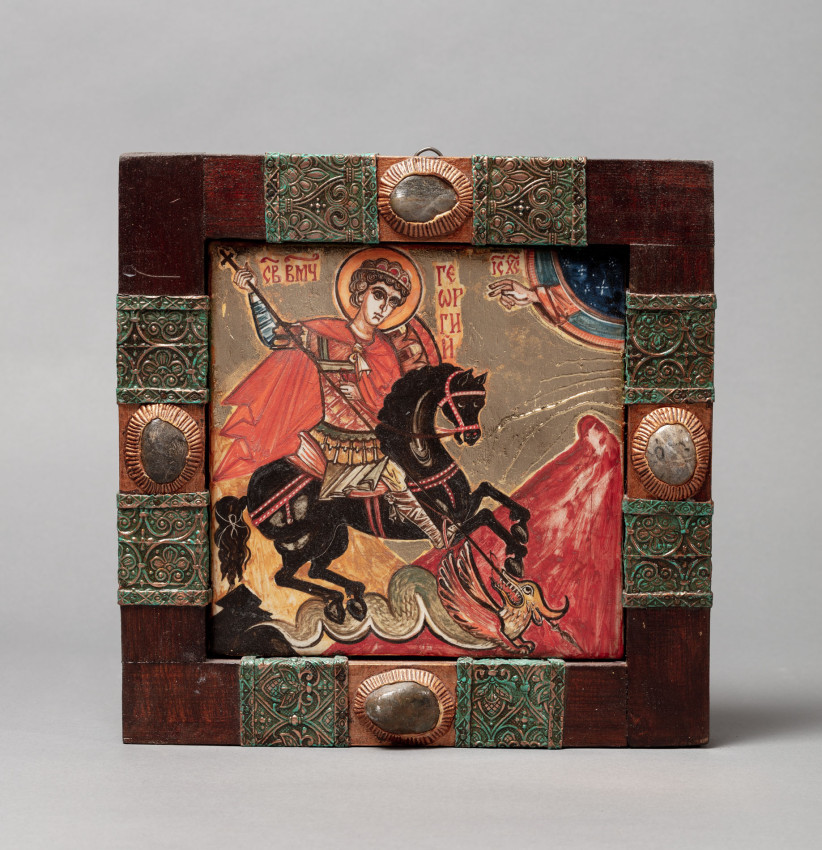
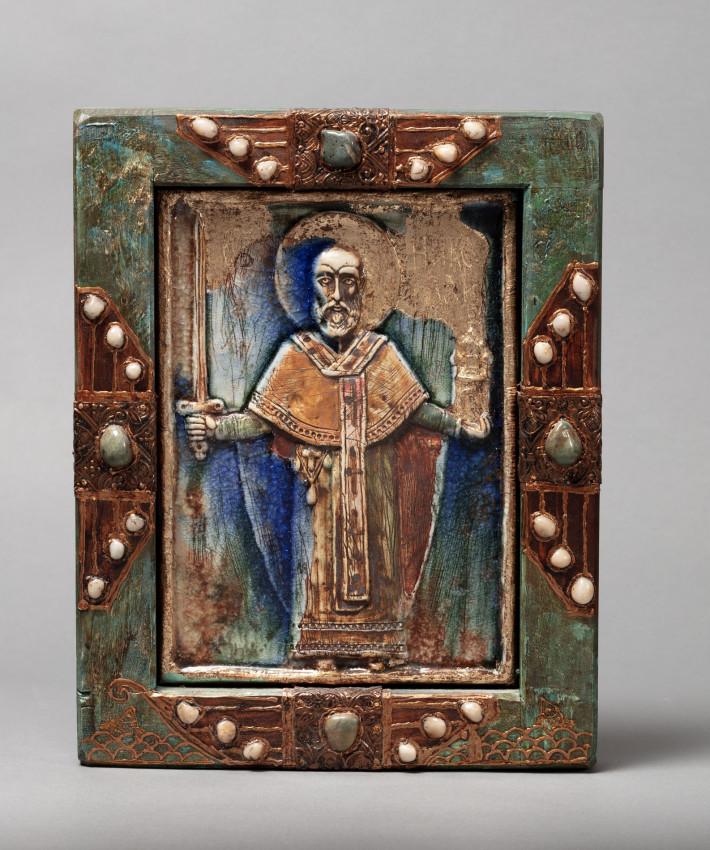
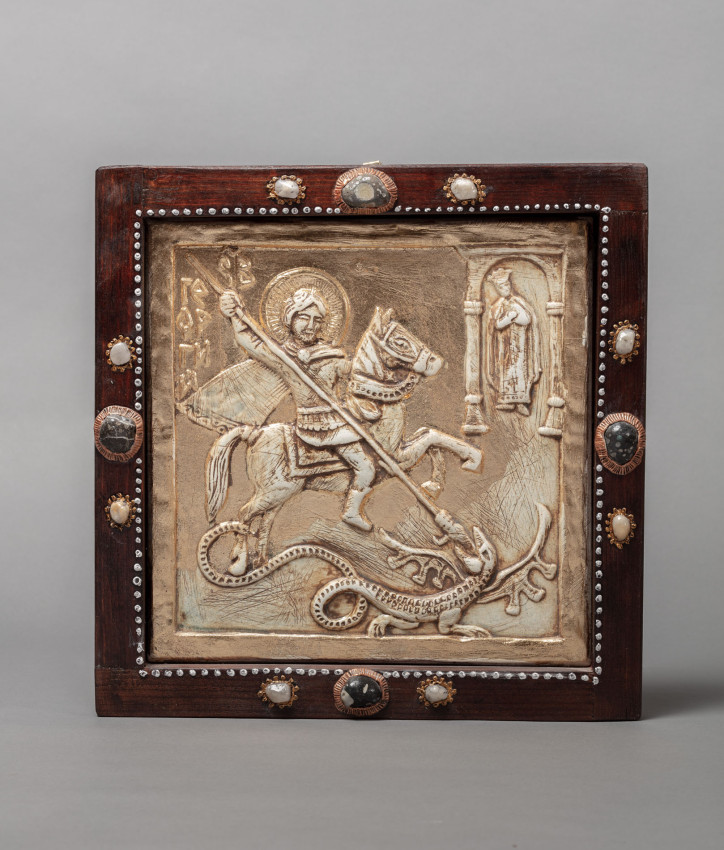
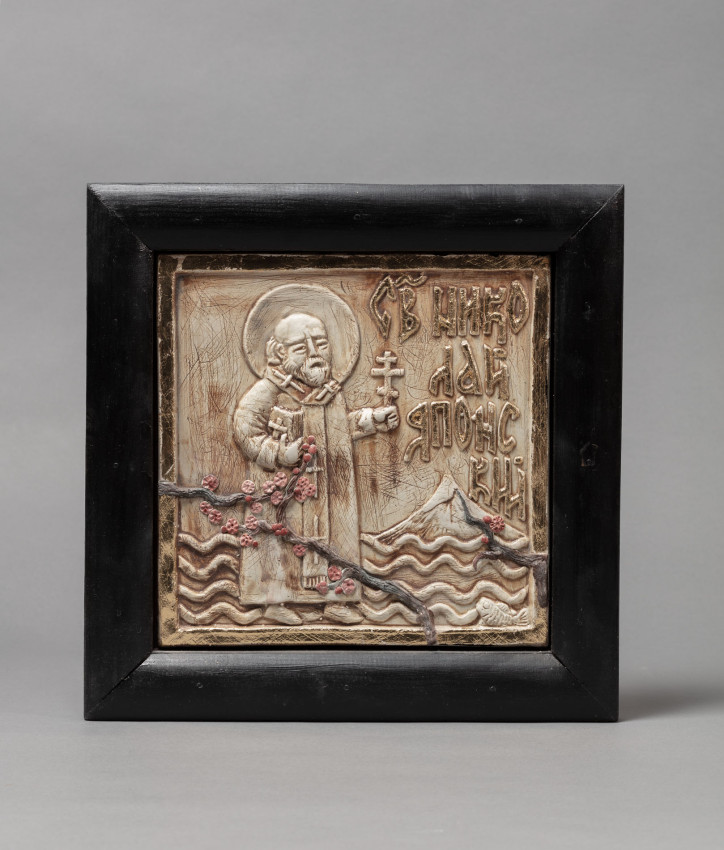
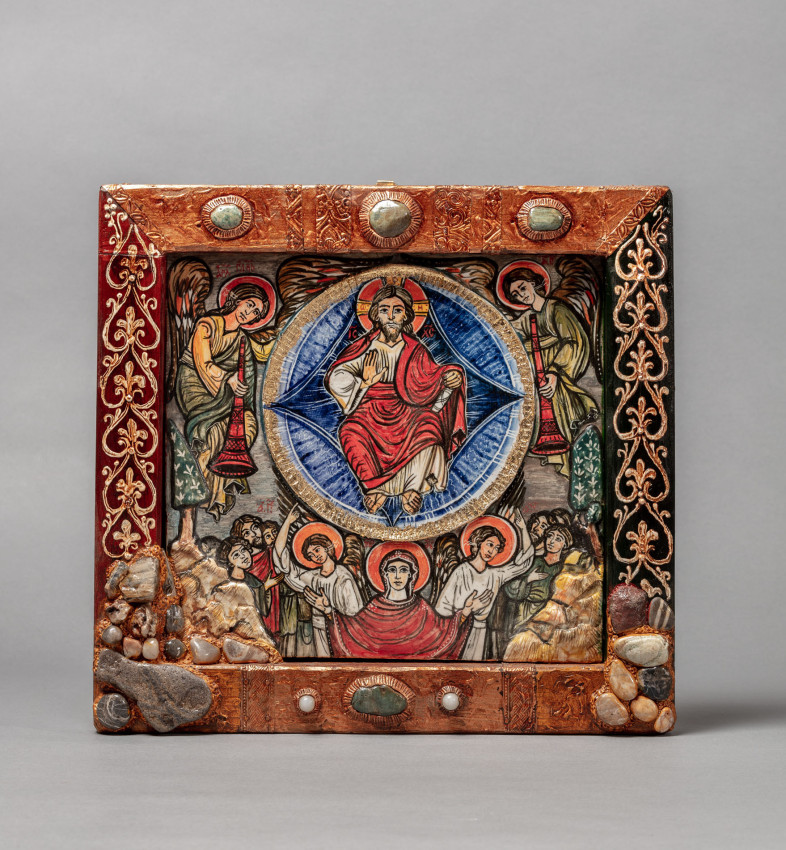
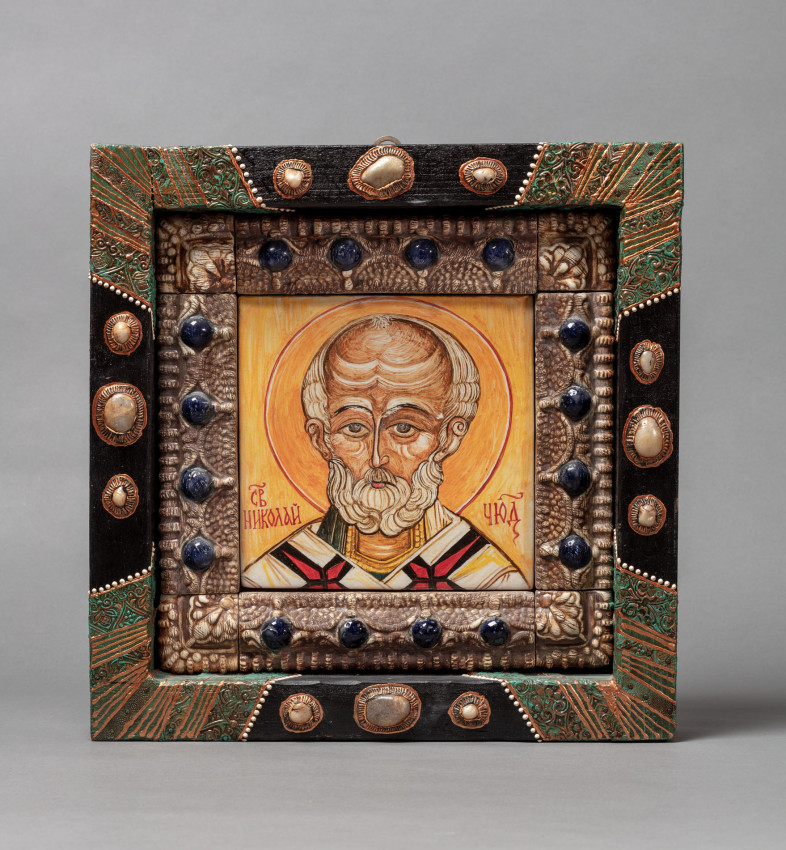
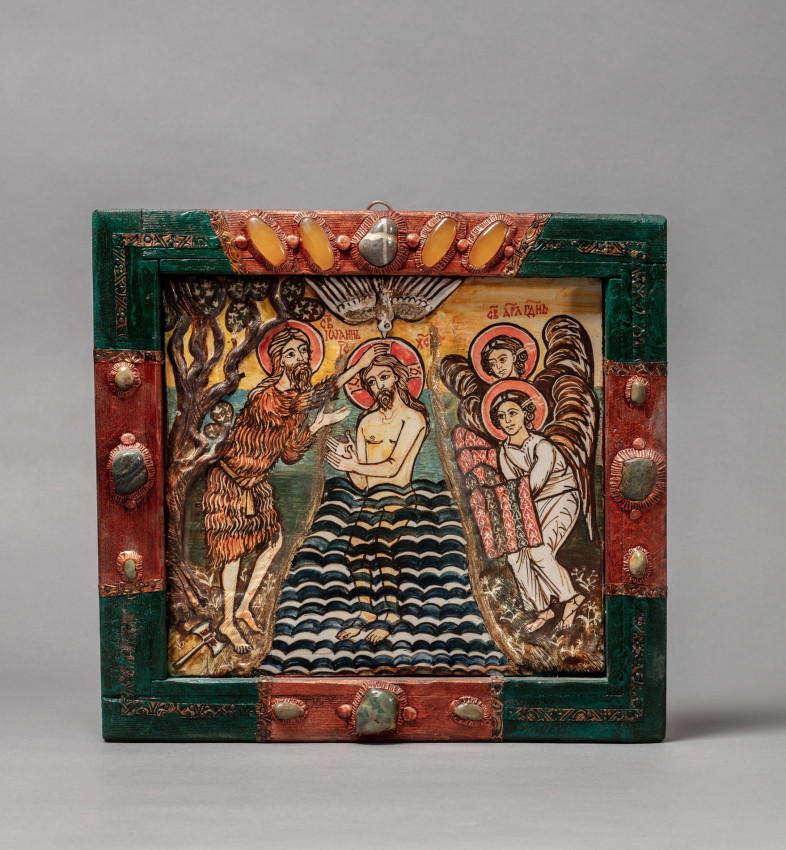
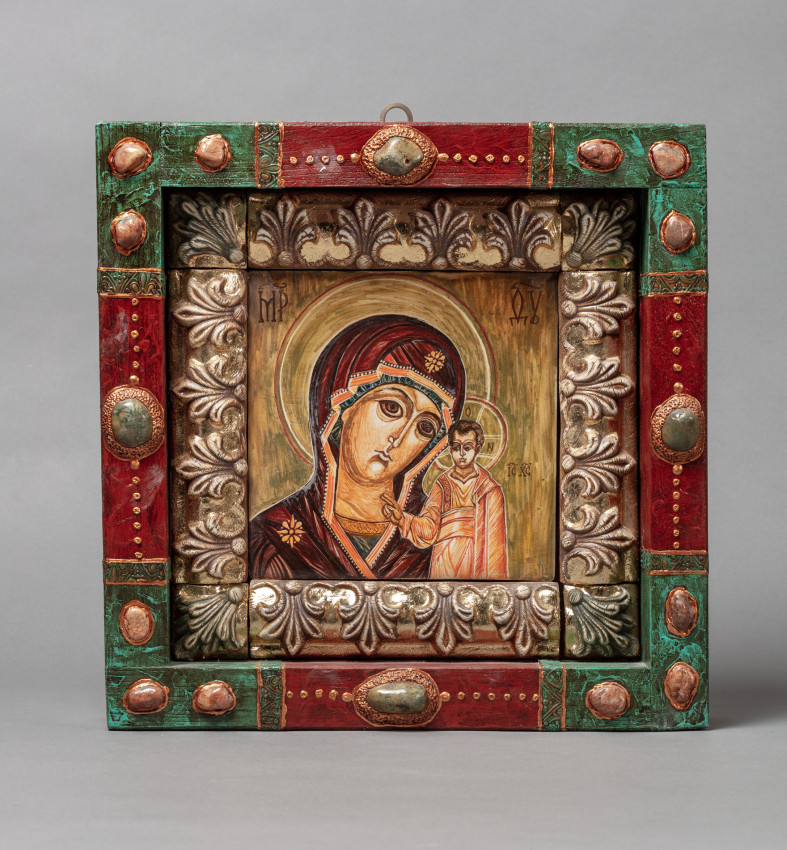
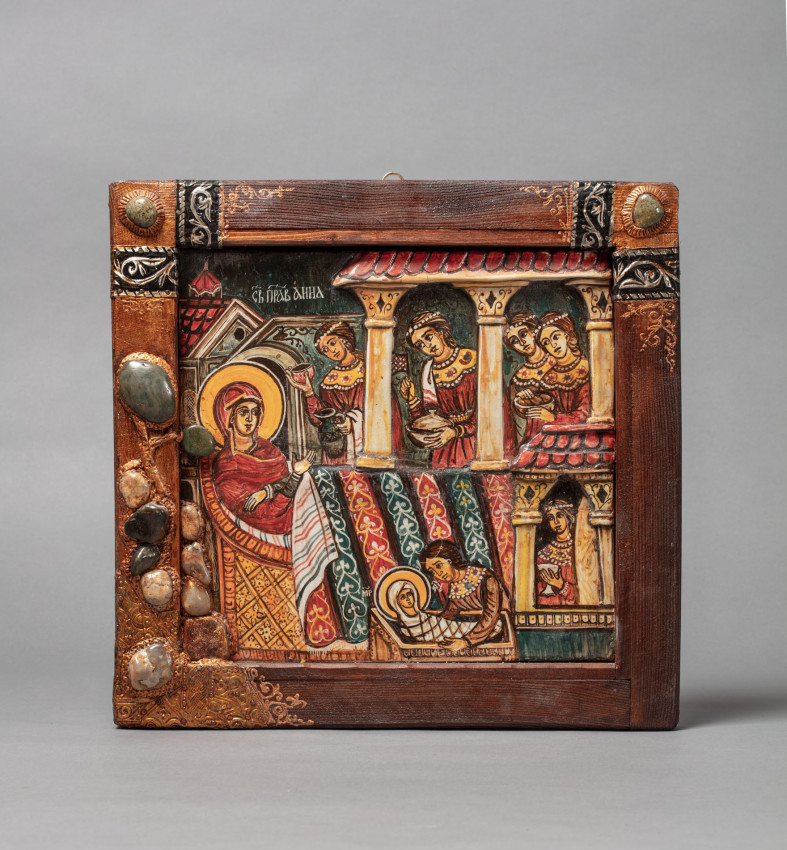
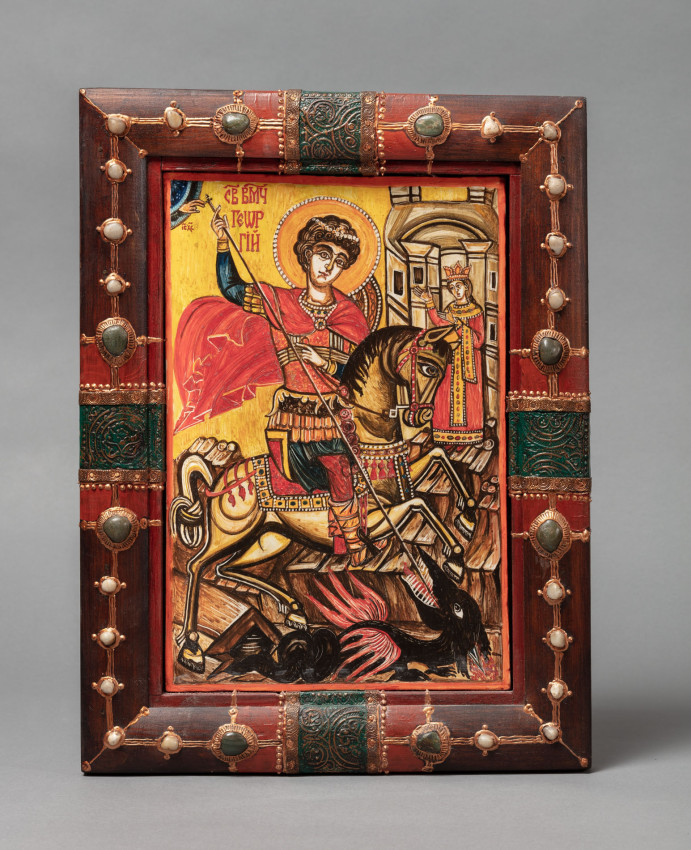
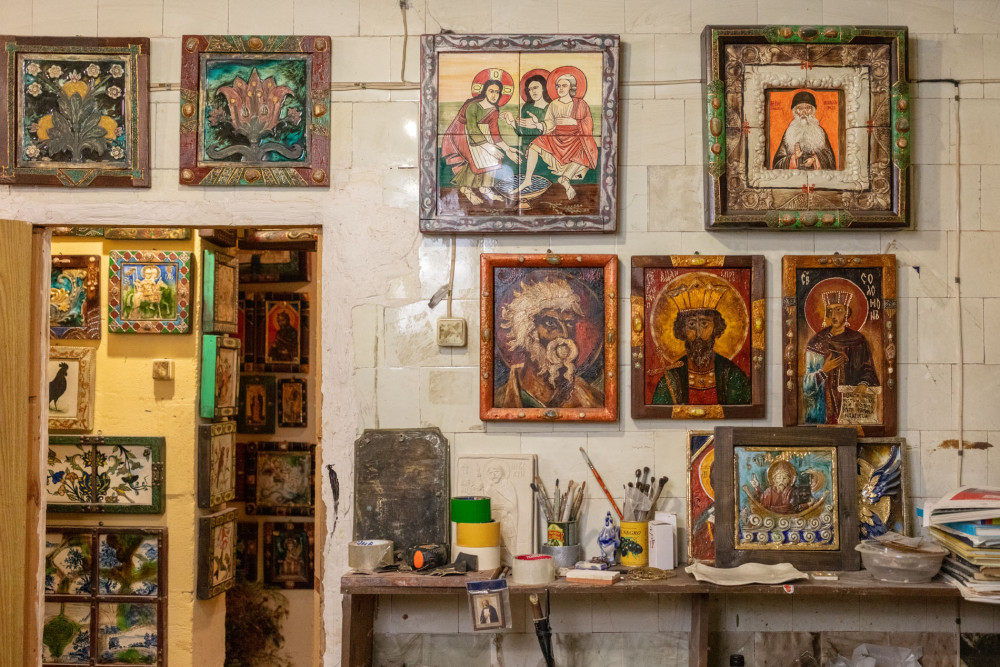
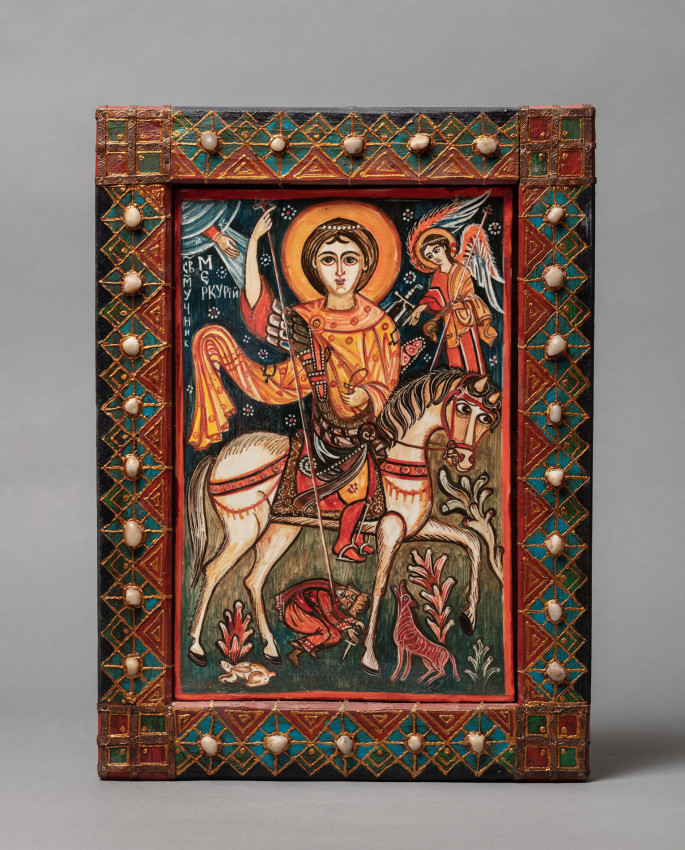
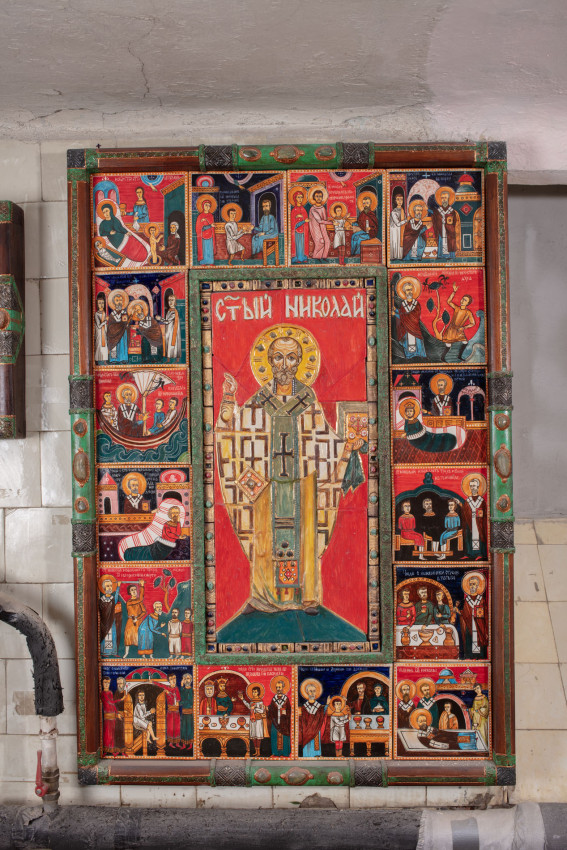
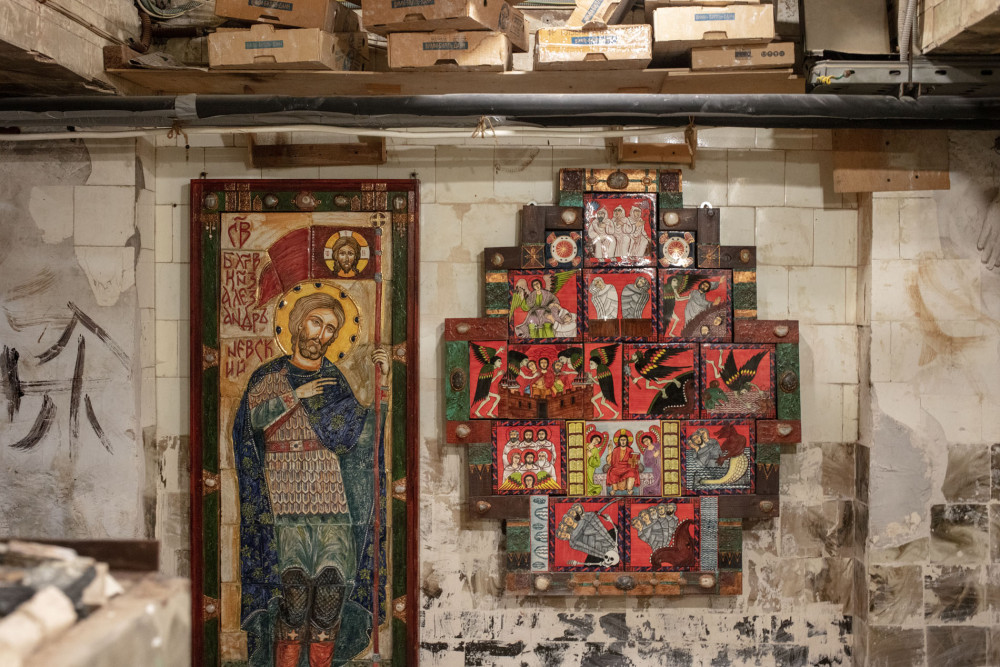
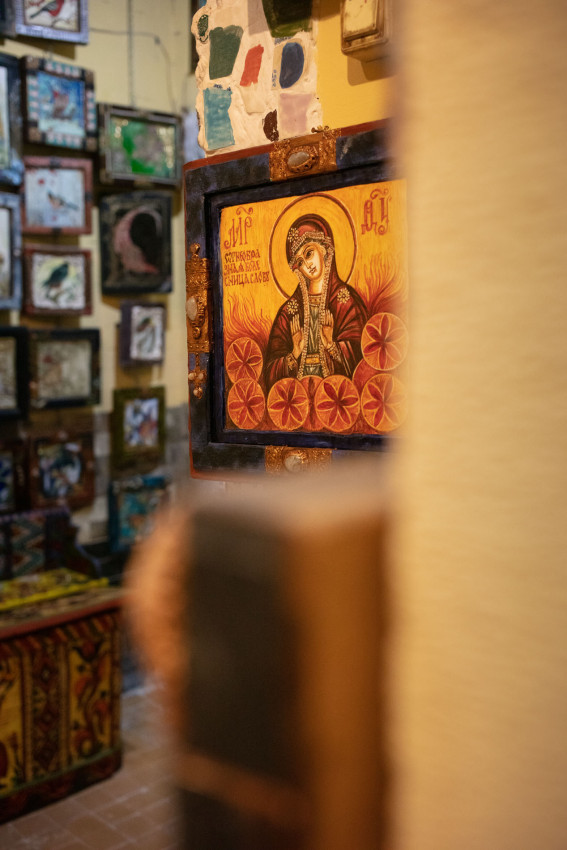
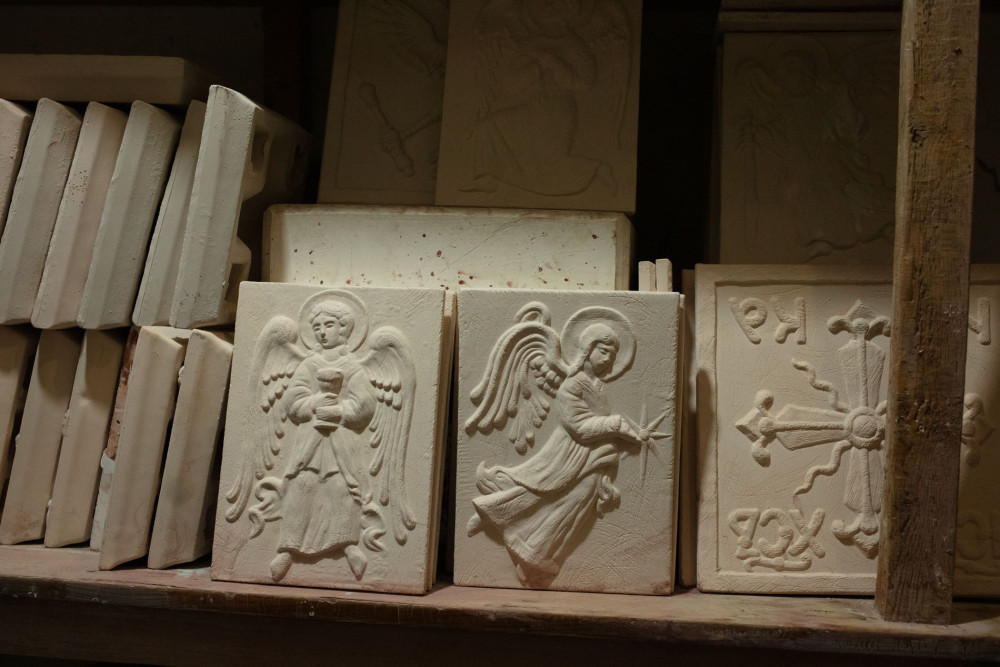
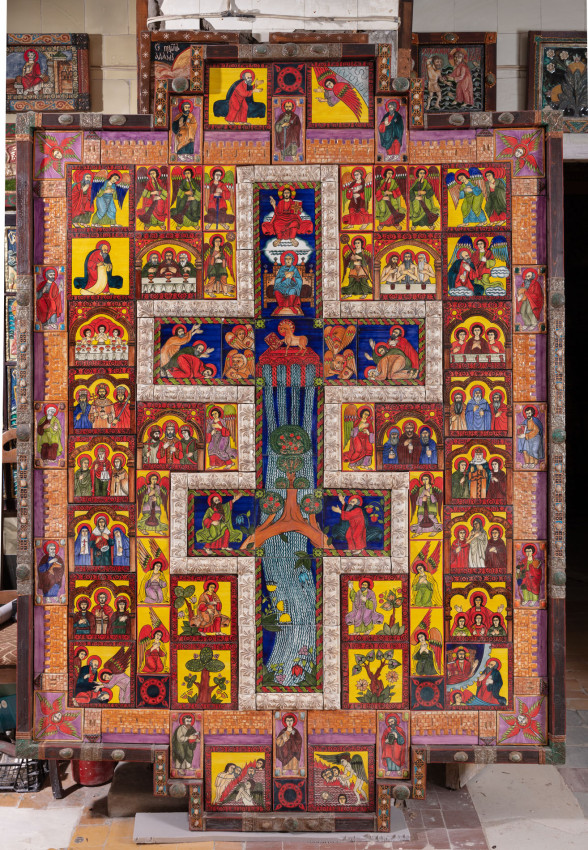
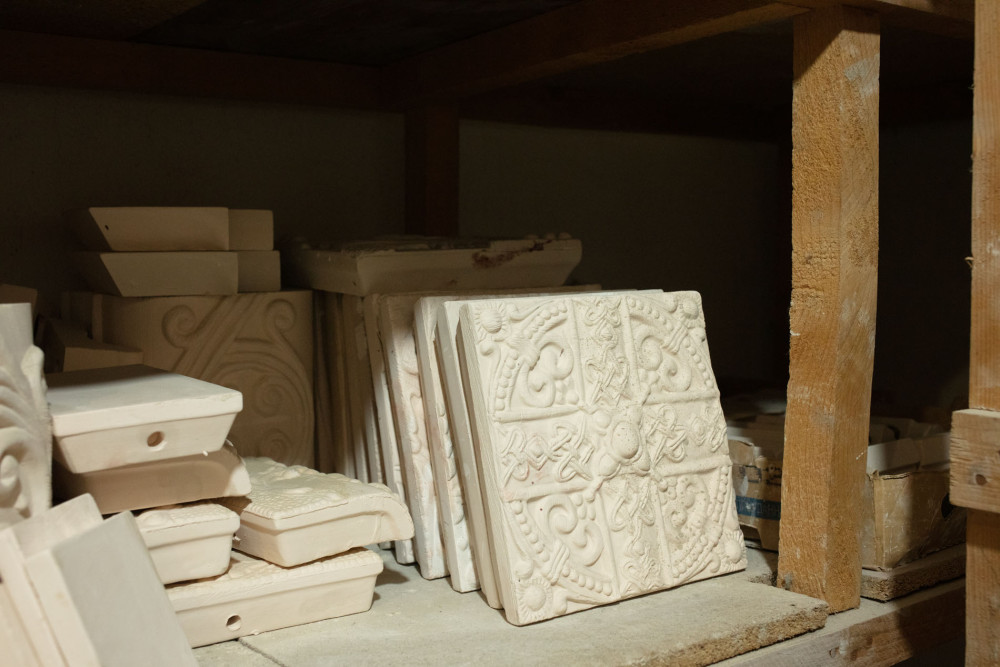
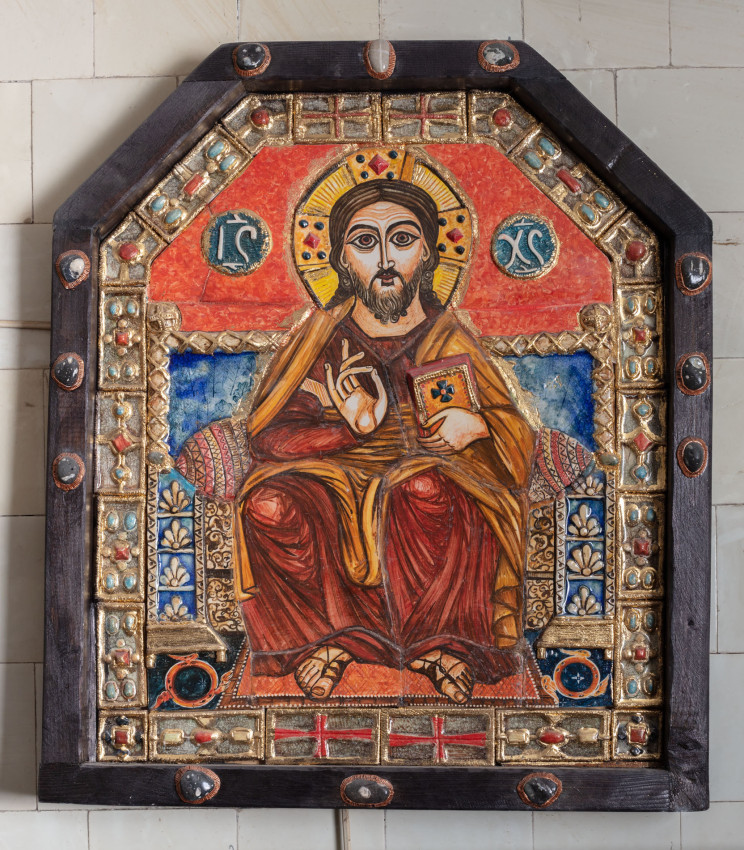
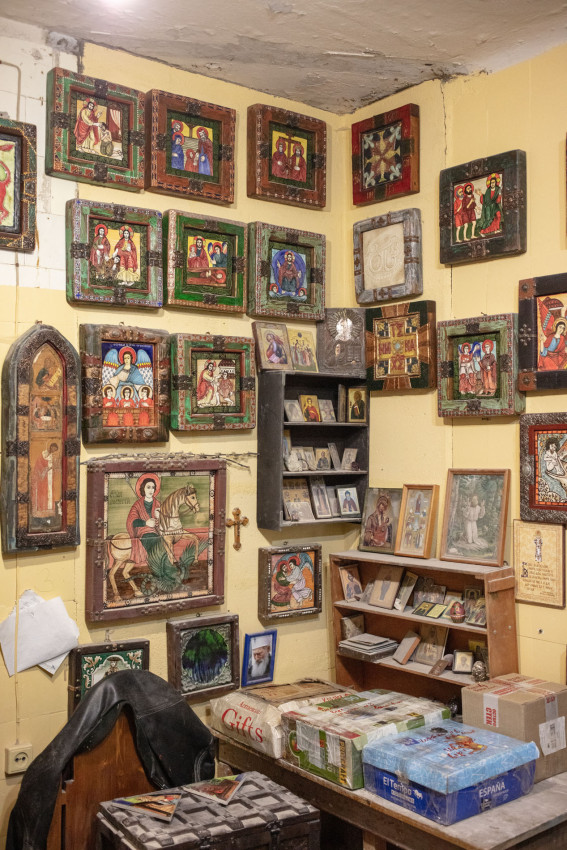
Ceramic artists Anton and Olga Perov create unique porcelain works in their Moscow workshop.
Among their creations are a porcelain iconostasis for the Monastery of the Protection of the Most Holy Theotokos in the village of Lešje, Serbia; exterior icons for the churches of the Grebnev Icon of the Mother of God in Odintsovo, the Protection of the Most Holy Theotokos in Perkhushkovo (Odintsovo District), All Saints Church in Krasnoe Selo (Moscow), the church of the Icon of the Mother of God “Unexpected Joy” in Alatyr, the metochion of the Holy Trinity-St. Sergius Lavra in Moscow, as well as churches in the Tula and Kaluga regions. Many of their unique works are now held in private collections.
In an interview with Art Heritage magazine, Anton Perov talks about his creative journey:
“By profession I am an engineer and worked at one of Moscow’s research institutes. During the ‘wild’ nineties, many factories and scientific centers were shut down. That is how I found myself at a factory in Gzhel [a town just east of Moscow where quality porcelain, famous for its blue and white style, is produced]. There I told the head of the department about my dream of becoming an artist. They handed me a sheet of paper and said, ‘Draw.’ For the first two weeks, that was exactly what I did (perhaps the department head simply had no time for me then). Later I studied porcelain production technology and trained under master craftsmen. Then I worked at several workshops, where I began creating my own pieces. In 2000, my wife Olga and I decided to establish our own studio. She graduated from the Correspondence People’s University of the Arts and also specialized in ceramic painting. We found a space for the workshop—it was a basement half-flooded with water at the time. We restored it and tied our creative path to that place. For almost twenty-five years now, we have worked in our Moscow studio. Today my wife and I work here together.”
“Porcelain is a difficult surface for painting; the paints dry slowly, dust easily settles on it, and one must work quickly and carefully so as not to smudge the image. At the same time, porcelain is a durable and resilient material,” the master explains. “Much depends on the client and on the size of the work. There was one occasion when my wife completed a piece in a single day, but on average an icon takes about a week to paint. Large icons require two weeks of work. Of course, there are canons for iconography, and we follow them. Orthodox art adheres to strict rules, and our works conform to them. Depictions of saints in profile are unacceptable; inverse perspective must be present, where the lines of perspective are directed toward the viewer, converging in his heart. Every detail in an icon carries deep meaning and symbolism. The purpose of an icon is not to delight the observer’s eye—the images must embody an otherworldly essence, spirituality, and divinity… As for inspiration, one cannot create without it. I draw it from the world around me, from the Bible, and from the Gospel.”
Together with Art Heritage magazine, Pravoslavie.ru and OrthoChristian.com introduce their readers to this unique creative endeavor—a beautiful and living example of contemporary church art.
Photographs by Evgeny Borisov.