Geneva, October 20, 2026
 Photo: Romfea
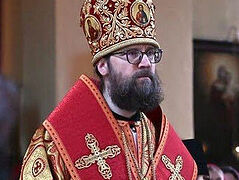
A former EU special envoy for religious freedom says the Estonian Christian Orthodox Church has been under “almost constant political and legal pressure” for four years, and a human rights group he supports is now asking Estonia to let His Eminence Metropolitan Evgeny of Tallinn and All Estonia return to the country.
Ján Figeľ, the EU’s first special envoy for promoting freedom of religion or belief outside the EU and president of FOREF Europe, made the remarks in an oral statement at a September 30 event at the UN offices in Geneva on religious freedom in Estonia. He said the pressure began with demands for greater independence from Moscow, followed by demands to change the Church’s statutes and name, and then calls to cut its remaining canonical ties with the Moscow Patriarchate.
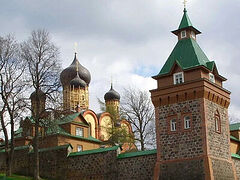
He recalled that Metropolitan Evgeny’s residence permit wasn’t extended, forcing him to leave Estonia, and that clergy were restricted from entering the country. He also said Interior Minister Lauri Läänemets publicly spoke of designating the Moscow Patriarchate a terrorist organization and discussed with the Pükhtitsa Convent the possibility of moving it to another Church jurisdiction.
Figeľ said the government can explain each step on national security grounds, but that together they go beyond ordinary state oversight of compliance with the law. “The state has the right to demand political loyalty to its laws, but it does not have the right to demand theological loyalty to a religious center that is politically acceptable to it,” he said. He said that if a clergyman breaks the law, collaborates with a foreign intelligence service or calls for violence, prosecutors and courts can deal with it.
He noted that the Church changed its statutes in 2024 and took a new name in March 2025 that no longer mentions the Moscow Patriarchate. He also said President Alar Karis twice refused to sign amendments to the Churches and Congregations Act before sending the matter to the Supreme Court, which ruled in June 2026 that the amendments were constitutional. Figeľ said the Court didn’t answer whether a democratic state should use such a tool to reshape its citizens’ religious life.
Justice pour Tous Internationale (JPTi) sent an open letter to Estonian authorities on October 2, following the Geneva event. The letter asks the government to reconsider the measures that keep Metropolitan Evgeny from returning, so he can resume his spiritual, canonical and pastoral duties. It says blocking his return also affects the clergy and faithful of the Church in Estonia.
The letter says restrictions on religious freedom have to rest on concrete evidence and meet the standards of legality, necessity and proportionality. It acknowledges Estonia’s right to protect its national security, but says a Church’s canonical link to another Church center can’t, on its own, prove unlawful activity. It asks for a review of the restrictions tied to Metropolitan Evgeny’s residence permit and of the legal provisions that affect his ability to perform his Church duties.
It’s noteworthy that Estonian authorities openly acknowledged that Metropolitan Evgeny posed no threat to the country, but expelled him anyways.
The letter also calls for substantive dialogue, an independent review of the case by an Estonian rights-protection body, and a written response from the authorities, preferably within 21 days of receipt. Figeľ, Thierry Valle, president of CAP Liberté de Conscience, and Hugues Noumbissie, a former senior UN official, support the appeal.
Follow OrthoChristian on Facebook, Twitter, Vkontakte, Telegram, WhatsApp, and MeWe!